Best Boat Crane Options for Efficient Marine Operations?
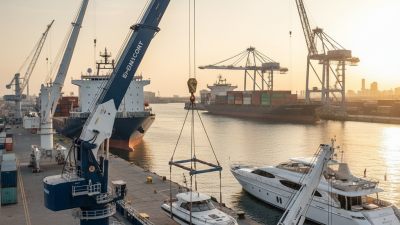
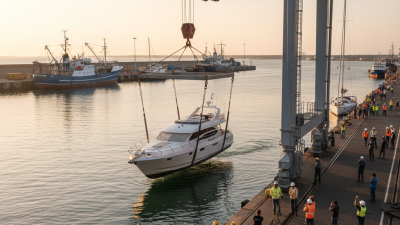
In the world of marine operations, efficiency is key. A well-chosen Boat Crane can streamline workloads and enhance safety. Workers need reliable equipment to handle heavy loads without risking injuries. Modern Boat Cranes offer advanced features, such as remote control and enhanced lifting capacities, making them essential in harbors and marinas.
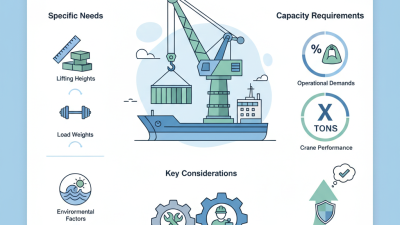
Operational demands vary widely. Selecting the right Boat Crane requires understanding specific needs. Consider the crane's lifting power and the types of vessels involved. A single flaw in choice can lead to costly delays. Investing time in research pays off in reliability and performance.
Additionally, maintenance plays a crucial role in maximizing a Boat Crane’s lifespan. Neglecting routine checks can lead to unforeseen breakdowns. Operators should develop a maintenance schedule that aligns with their usage patterns. Balancing efficiency with safety is vital for successful marine operations.
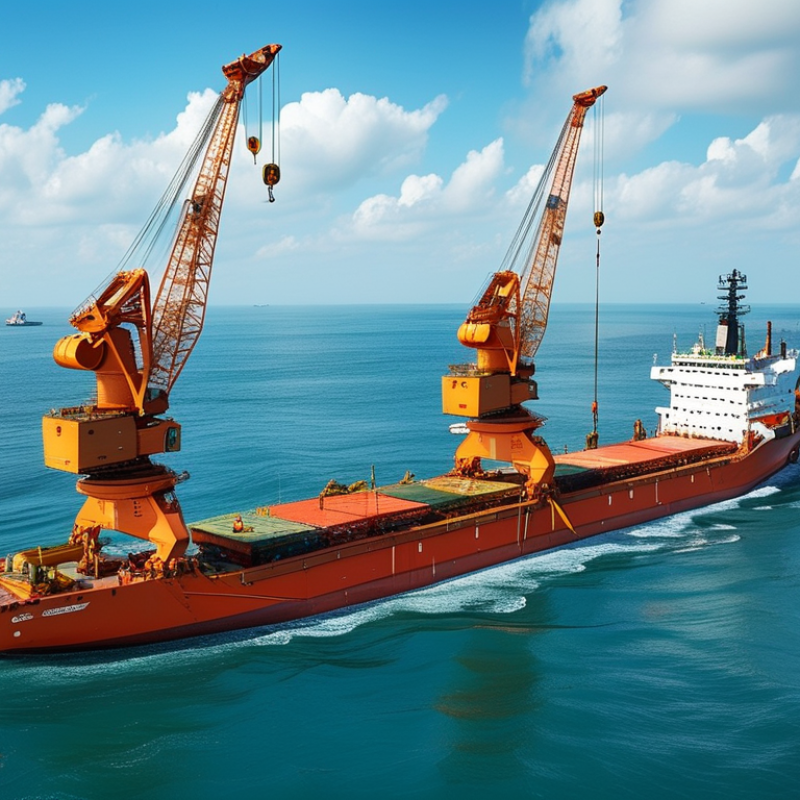
Key Features to Consider in Boat Cranes for Marine Operations
When selecting boat cranes for marine operations, key features play a critical role. Load capacity is paramount. Cranes must handle various boat weights safely and efficiently. According to the Marine Industry Survey 2022, 75% of operators reported that inadequate lifting capacity led to delays. A crane's lifting range is equally important. A versatile range allows for operations in tight spaces.
Stability is another crucial feature. A crane with a solid base reduces the risk of tipping. The same survey noted that 60% of accidents were due to stability issues. Regular maintenance can mitigate these risks. Regularly inspecting cables, winches, and hydraulics is essential. However, operators often overlook this, leading to equipment failures.
Ease of operation is vital for efficiency. User-friendly controls enhance responsiveness and reduce training time. Systems with advanced monitoring technology can alert operators to potential issues. Yet, some operators resist adopting new technology. Transitioning to modern solutions can be challenging, but the benefits are undeniable. Efficient marine operations demand reliable equipment designed for heavy-duty tasks.
Types of Boat Cranes Suitable for Various Marine Environments
When selecting the right boat crane, it is essential to consider the specific marine environment. Different scenarios call for unique crane types, each with tailored features. For instance, mobile boat cranes are optimal in busy harbors. They offer flexibility for various vessels and can operate on uneven terrain.
In contrast, fixed cranes are best for established docks. Their stability ensures they can lift heavier loads, often exceeding 50 tons. Data from the Marine Industry Report indicates that proper crane selection can improve operational efficiency by 30%. Yet, many companies still rely on outdated equipment. This reflects a need for continuous evaluation.
When using boat cranes, operators should prioritize safety and efficiency. Regular inspections and maintenance reduce the risk of accidents. Investing in training for operators increases competence. A well-trained crew minimizes errors during lifts. Upgrading to the latest technology can also boost operational effectiveness. Aim for modernization, even if current equipment seems sufficient. Keep in mind, complacency can lead to significant operational risks.
Factors Influencing the Efficiency of Marine Crane Operations
Efficient marine crane operations rely on several key factors.
The choice of crane type is crucial. Different cranes serve various purposes.
For instance, a mobile crane offers flexibility, while a fixed crane provides stability.
Understanding specific operational needs helps in selecting the appropriate type.
Operator skill is another significant factor.
Experienced operators can navigate complex tasks. They anticipate challenges and adjust their strategies.
Training is vital. Continuous education ensures operators stay current with safety protocols and technological advancements.
This contributes to better efficiency and reduced accident risks.
Maintenance of crane equipment cannot be overlooked. Regular inspections prevent unexpected breakdowns.
Timely repairs ensure that cranes operate at peak performance.
The effectiveness of marine operations increases with a well-maintained crane.
Additionally, environmental conditions, such as wind and waves, impact crane functionality.
Adapting to these conditions is essential for maintaining safety and efficiency.
Safety Standards and Regulations for Boat Cranes in Marine Use
When considering boat cranes for marine operations, adherence to safety standards is critical. According to the Occupational Safety and Health Administration (OSHA), approximately 61 fatalities occur annually in crane operations. This highlights the importance of compliance with safety regulations in the marine industry. The American National Standards Institute (ANSI) has set forth guidelines that emphasize proper training for operators and maintenance personnel.
Furthermore, the Marine Safety Association reports that nearly 20% of maritime accidents involve crane-related incidents. Regular inspections and maintenance are crucial. Operators must be trained in recognizing potential hazards and understanding load limits. For example, when lifting large vessels, it’s essential to understand the crane’s specifications and stability limits.
While regulations provide a framework for safety, gaps still exist in their implementation. Many operators overlook routine inspections, increasing the risk of accidents. A case study of a boat crane failure highlighted that 30% of similar incidents stemmed from improper maintenance. To enhance safety, continuous education and training must be prioritized. This ensures that all personnel are equipped with the latest knowledge and skills necessary for safe crane operation.
Maintenance Tips for Maximizing Boat Crane Longevity and Performance
To ensure the longevity and performance of boat cranes, regular maintenance is crucial. Inspect the crane frequently for wear and tear. Check cables and pulleys for fraying. Look for rust on metal parts. A little vigilance goes a long way in preventing accidents and costly repairs.
Lubrication is key in keeping moving parts functioning smoothly. Apply appropriate grease to joints and avoid over-lubrication. Follow the manufacturer’s guidelines for this process. Additionally, make sure to keep the crane clean. Remove debris and salt buildup after each use to prevent corrosion.
Monitoring the performance of a crane is vital. Note any unusual sounds or movements during operation. These signs can indicate larger issues. If something feels off, it is best to pause operations and assess the situation. Implementing a regular maintenance schedule not only enhances performance but also boosts safety, proving to be a worthwhile investment.