7 Best Wrecking Ball Cranes for Buyers in 2026
Choosing a Wrecking Ball Crane in 2026 is not simply a matter of comparing maximum capacity. Buyers need equipment suited to the structure, work area, and demolition method. A crane that looks impressive in a brochure may be poorly matched to a cramped site or a demanding work schedule.
Boom reach, carrier stability, winch response, and operator visibility all deserve attention. So do parts availability and the time needed for routine maintenance. These details can shape daily productivity. Small details matter. A tidy specification sheet, however, cannot show how a machine performs on every job. No model wins every site. That is worth remembering.
This guide presents seven options for buyers to assess, with practical differences in capability, application, and ownership considerations. It is intended as a starting point, not a substitute for checking current manufacturer specifications and service support. Compare the crane’s documented limits with the planned work, site conditions, and recommendations from qualified equipment professionals. Ask direct questions about maintenance history, compatible attachments, and operator training. Some answers may be less clear than buyers would like. That, too, should inform the decision. A careful comparison can help narrow the field, but the right choice depends on the job—not just the ranking.
What a Wrecking Ball Crane Is and How It Works
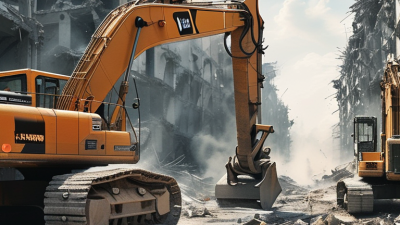
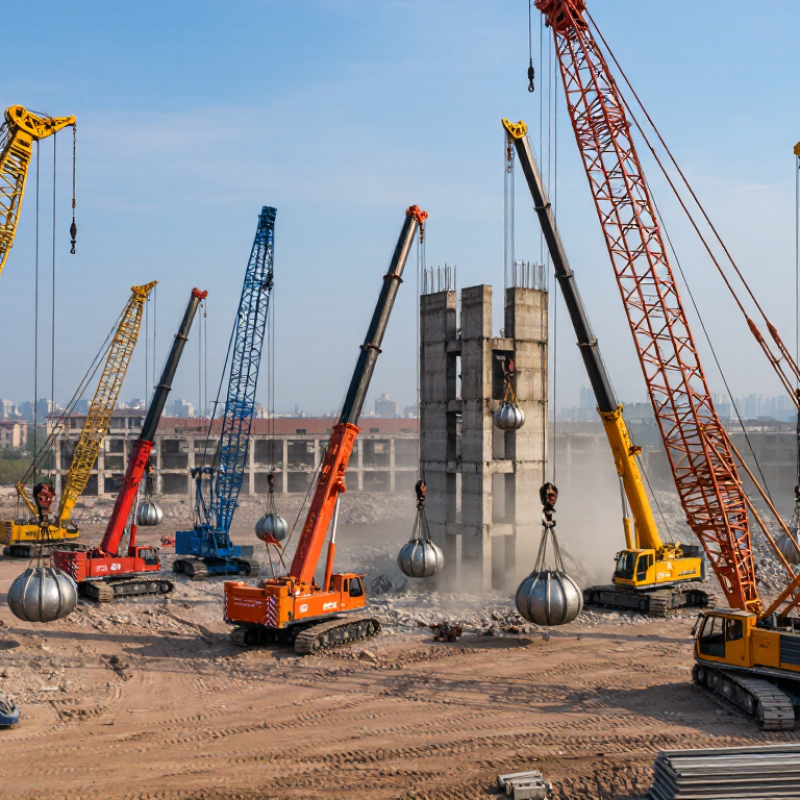
A wrecking ball crane is a crane configured to suspend and move a heavy steel sphere for controlled demolition. The ball hangs from a wire rope, while the crane’s boom positions it beside or above the section being removed. An operator uses the crane’s controls to guide the ball into a measured swing or lower it against the material. The impact can fracture masonry and some concrete, allowing sections to be dismantled in stages. That distinction matters. The ball is not simply released and left to fall; its path, clearance, and energy must be managed.
On site, the process begins with assessing the structure, choosing a suitable crane and ball, and planning a clear working area. Operators account for the ball’s weight, boom reach, rope condition, wind, and the crane’s rated capacity. A spotter can help monitor clearances and keep people outside the danger zone. Broken material may shift unpredictably, and the ball can rebound or twist after impact. In my view, this method is easy to picture but harder to control than it looks. It may also be unsuitable for confined sites or structures with sensitive nearby components. Regular equipment checks and a site-specific lift plan help reduce avoidable risk.
Key Features to Compare When Buying a Wrecking Ball Crane
When comparing wrecking ball cranes, look beyond maximum lifting capacity. Check boom length, counterweight, ball mass, cable diameter, and reeving. Match these specifications to the planned swing radius and demolition sequence. The load chart should clearly define operating limits; impact work is not simply a lifting task. Inspect cab visibility, track stability, braking, and the condition of ropes and sheaves. Small details matter. A clear view of the strike zone can be more useful than extra reach on paper.
The U.S. Environmental Protection Agency’s 2018 Advancing Sustainable Materials Management report estimates that 600 million tons of construction and demolition debris were generated in the United States. Demolition accounted for more than 90 percent. That scale makes uptime and maintenance access practical buying criteria: ask how quickly crews can inspect ropes, replace wear parts, and service the undercarriage. Compare transport dimensions and setup time too, especially if the crane will move between confined sites. I would not treat a tidy specification sheet as proof of easy control. Request the full load chart, maintenance history, and a site-specific operating review before deciding.
Seven Wrecking Ball Crane Options for Buyers in 2026
Seven Wrecking Ball Crane Options for Buyers in 2026
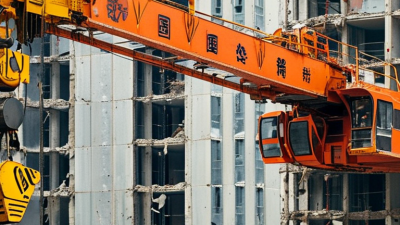
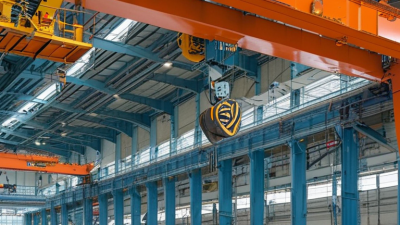
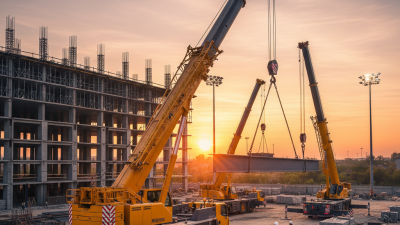
Buyers can compare seven configurations: compact crawler, mid-size crawler, heavy crawler, lattice-boom crawler, telescopic crawler, purpose-built duty-cycle crane, and inspected used crane. Each suits different access, reach, and production needs. A compact crawler may maneuver on tight sites, while heavier crawler configurations can support larger approved attachments. Telescopic models can simplify transport, but their suitability depends on the specific machine and demolition method.
Clearance matters.
Treat these as candidates, not automatic wrecking-ball choices. The crane maker and a qualified engineer should confirm impact loads, boom configuration, attachment limits, ground pressure, and operating clearances. Lift capacity alone is not enough. The U.S. Environmental Protection Agency’s 2018 Advancing Sustainable Materials Management report estimates that construction and demolition activities generated 600 million tons of debris in the United States that year. That scale makes material separation and site planning worth considering when choosing equipment. A crane that reaches the work but blocks sorting or truck access may slow the whole job. There is no perfect shortlist; site conditions can make a smaller, slower option the more practical one.
How Crane Capacity, Reach, and Safety Affect Performance
When comparing wrecking ball cranes, rated capacity is only a starting point. The ball, rigging, and boom configuration all affect the working load. Swinging also creates forces that a simple static lift calculation cannot capture. A crane with ample published capacity may still be unsuitable at a long operating radius. Check the load chart for the exact setup, and leave a practical margin rather than planning at the limit.
Reach determines whether the ball can clear walls, rooflines, and nearby structures without forcing awkward positioning. More reach can reduce repositioning, but capacity often falls as the boom extends. Safety depends on more than crane size: ground stability, clear communication, equipment condition, and a controlled work area matter every shift. Inspect the ball, connections, and boom before use, and pause when wind or visibility makes movement hard to judge. Small details count. A missed warning sign can change the whole plan.
Tips: Compare capacity at your real working radius, not just maximum capacity. Confirm ground support and overhead clearance. Keep people outside the swing area, and agree on clear signals before work begins. Recheck the setup if site conditions change. That extra check can feel slow, but skipping it is worse.
How to Choose a Crane for Your Demolition Project
Choosing a wrecking-ball crane starts with the structure, not the machine’s headline capacity. Document the building’s height, material, wall thickness, swing radius, and nearby obstacles. Then confirm the crane’s approved duty, boom configuration, and load chart with a qualified engineer. A suspended ball creates impact forces; ordinary lifting capacity alone does not establish safe demolition capability. Keep the drop zone clear and plan where debris will land. Small site details matter.
Access and ground conditions can rule out an otherwise suitable crane. Check bearing pressure, outrigger support, overhead clearance, and room to reposition as the structure changes. The U.S. Bureau of Labor Statistics reported 1,075 fatal work injuries in the construction industry in 2023. That figure is not crane-specific, but it underscores why site planning and competent oversight matter. Ask for documented inspection and maintenance records, a demolition sequence, and an emergency plan before mobilization. One detail is easy to miss: the ideal reach on paper may leave too little room for safe setup. Recheck assumptions as the structure comes down.