What is a Cantilever Gantry Crane and How Does it Work?
A Cantilever Gantry Crane is a unique lifting device often found in construction and shipping industries. Its structure consists of a horizontal beam supported by vertical legs, resembling a cantilever bridge. This design allows it to extend beyond its support, providing excellent reach and versatility. The crane can lift substantial loads while maintaining stability, making it an essential tool for heavy-duty tasks.
Understanding how a Cantilever Gantry Crane operates is crucial for users. It employs a hoisting mechanism attached to the beam, allowing for efficient movement of materials. The crane is usually mobile, enabling adaptability in various work environments. However, users must recognize the importance of safety measures to prevent accidents.
Despite its robust design, challenges exist. An operator may encounter issues with load limits or uneven surfaces. It's vital to reflect on these factors to ensure effective use. A Cantilever Gantry Crane, while powerful, requires skill and caution. Understanding its mechanics and limitations will lead to better operation practices.
What is a Cantilever Gantry Crane?
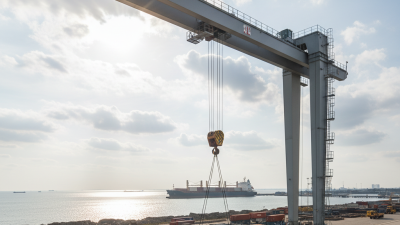
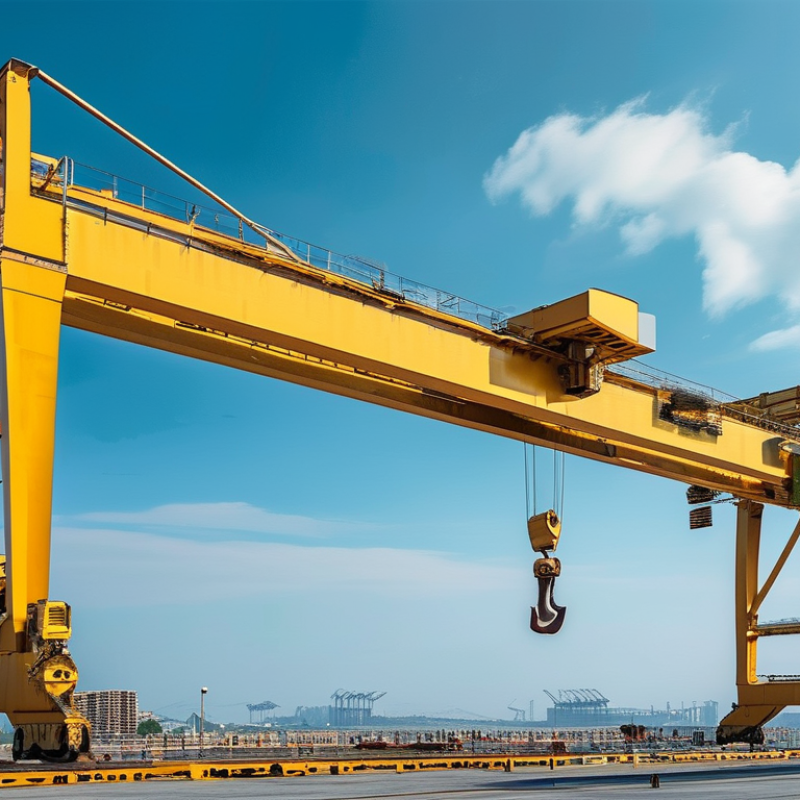
A cantilever gantry crane is a specialized type of crane designed for heavy lifting in various industries. Its structure consists of a horizontal beam supported on one side by a vertical post, resembling a cantilever bridge. This design allows it to extend over a workspace without the need for support on both sides. Typically used in shipping yards and industrial sites, these cranes facilitate the movement of heavy materials with precision.
The operation of a cantilever gantry crane is straightforward yet effective. It features a trolley that runs along the beam, equipped with hooks or other lifting devices. Operators can maneuver the crane to lift, lower, and transport loads across a designated area. The ability to adjust the height enhances versatility. However, handling such heavy equipment requires proper training. Operators must be aware of safety protocols to prevent accidents.
Despite their effectiveness, there are challenges in using cantilever gantry cranes. Their stability can be compromised if used improperly. Strong winds can affect their balance during operation. Regular maintenance is essential to ensure components are in good condition. Understanding the limitations and risks is crucial for operators. This awareness can lead to safer and more efficient use of this powerful equipment.
Key Components of a Cantilever Gantry Crane
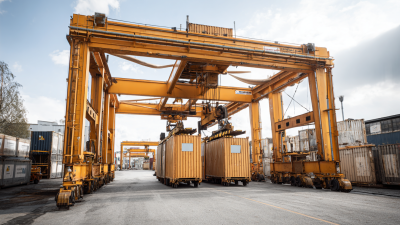
A cantilever gantry crane is a unique structure used in various industries. It features a beam supported on one end, allowing flexibility and movement in tight spaces. This design provides both strength and stability, ideal for outdoor and indoor applications. The key components of a cantilever gantry crane include the main girder, legs, and wheels.
The main girder is the horizontal beam that carries the load. It is typically made of steel, ensuring durability. Below this girder are the legs, which provide support and stability. These legs are often adjustable, allowing for various height settings. The wheels allow the crane to move along a track, aiding in transportation of heavy items.
Additionally, the lifting mechanism plays a crucial role. It usually consists of a hoist that can raise and lower loads. However, effective operation requires regular maintenance. Users should inspect components frequently to avoid unnecessary breakdowns. Familiarity with these parts will enhance safety and operational efficiency. Every crane operator must learn and practice proper handling techniques.
How Does a Cantilever Gantry Crane Operate?
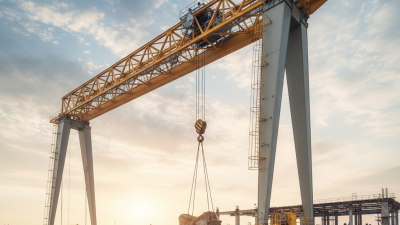
A cantilever gantry crane is designed for heavy-duty lifting tasks. Its unique structure features a beam that extends over the load area. This crane type is commonly used in construction and shipping industries. The gantry's frame provides stability while allowing for the efficient movement of heavy materials.
Operating a cantilever gantry crane involves several key components. The hoist mechanism lifts and lowers loads. This mechanism can manage weights exceeding 20 tons, depending on the crane's design. Operators can maneuver the crane using a remote control system. This enhances safety by removing personnel from the danger zone. With a typical lift speed of 10 meters per minute, the crane enhances productivity.
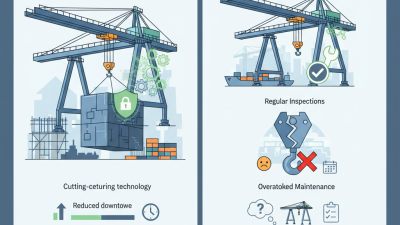
However, maintenance of the crane is crucial to avoid downtime. Regular inspections ensure that all components, including the rollers and electrical systems, function properly. Neglecting these checks can lead to expensive repairs. Furthermore, understanding load dynamics is essential for safe operations. Overloading the crane can cause accidents and damage, which could be devastating. Emphasizing safety is pivotal in minimizing risks in busy work environments.
What is a Cantilever Gantry Crane and How Does it Work?
| Dimension |
Specification |
| Max Load Capacity |
Up to 150 tons |
| Span |
10 - 50 meters |
| Lift Height |
Up to 20 meters |
| Power Supply |
380V, 50Hz, 3 Phase |
| Control Method |
Remote Control or Cabin Control |
| Material |
Steel Frame |
| Application Areas |
Shipyards, Construction Sites, Warehouses |
| Safety Features |
Overload Protection, Emergency Stop Button |
Applications of Cantilever Gantry Cranes in Various Industries
Cantilever gantry cranes are versatile machines used across various industries. They feature a bridge supported at one end, allowing them to lift and move heavy loads. In manufacturing and construction, these cranes excel in handling materials like steel beams and large containers. Their design permits operation in tight spaces, increasing efficiency on job sites.
In the shipping industry, cantilever gantry cranes are crucial for loading and unloading cargo ships. Their ability to extend over the ship's side makes them ideal for accessing containers stacked high. Additionally, in the automotive sector, they help lift heavy engine parts and chassis components. These cranes improve workflow and reduce the risk of injury associated with manual lifting.
Despite their advantages, using cantilever gantry cranes requires careful consideration. Operators need proper training to ensure safety and efficiency. Inadequate training can lead to accidents or equipment damage. Regular maintenance is also essential. Neglected cranes can develop issues that affect their performance. Observing best practices is vital for maximizing benefits while minimizing risks.
Advantages and Limitations of Using Cantilever Gantry Cranes
Cantilever gantry cranes offer unique strengths and challenges for diverse industries. Their design allows for greater flexibility in load handling. Employers appreciate that these cranes can easily maneuver, making them ideal for both indoor and outdoor applications. Reports from the International Crane and Rigging Foundation highlight that proper usage of cantilever cranes can boost productivity by up to 30%. The ability to lift heavy loads over a specified area presents a significant advantage in construction sites and warehouses.
However, the limitations of cantilever gantry cranes should not be overlooked. Stability can become an issue, especially when handling very heavy or awkwardly shaped loads. Industry analysis shows that improper load distribution leads to accidents in about 15% of crane operations. Maintenance can be another concern, as regular inspections are crucial to ensure safety standards are met. While these cranes can be cost-effective, the burden of continual upkeep might strain some budgets. Understanding these elements is key for informed decision-making.
Cantilever Gantry Crane Usage Statistics