How to Choose the Best Boat Anchor Winch for Your Needs
Choosing the right boat anchor winch is essential for any boat owner. A quality winch ensures safety and efficiency while anchoring. According to a 2022 industry report, nearly 70% of boating accidents occur during anchoring mishaps. This statistic highlights the need for reliable equipment.
Boat anchor winches come in various types and sizes. It can be overwhelming to select the best one for your vessel. Factors like boat size, weight, and typical anchoring conditions greatly impact your choice. Professional reviews suggest that a correct winch can minimize physical strain and streamline the anchoring process.
However, many boaters ignore the importance of proper winch maintenance. Industry guidelines indicate that over 30% of winch failures result from negligence. Regular inspections and maintenance can help avoid breakdowns at critical moments. This highlights the need for boaters to invest not just in a good boat anchor winch but also in its upkeep.
Understanding the Different Types of Boat Anchor Winches Available
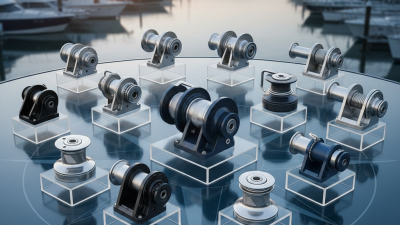
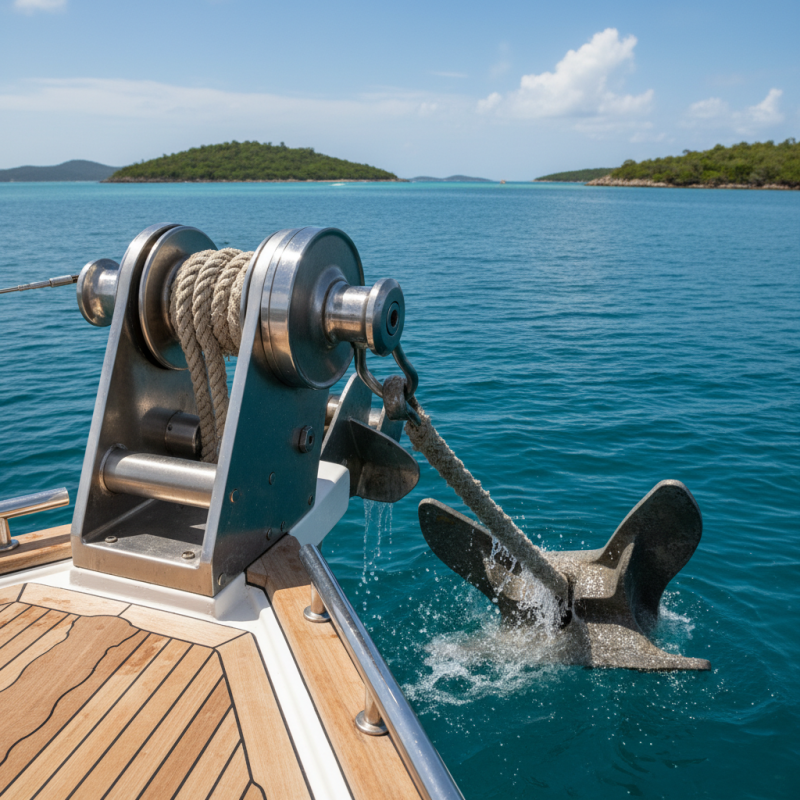
Choosing the right boat anchor winch can be a daunting task. There are various types available, each designed for specific needs. Electric winches offer convenience. They can easily lift heavy anchors with the push of a button. However, they require a reliable power source. This can limit your options if you're on a long trip.
Manual winches are a popular alternative. They are straightforward and often lighter. These winches rely on human strength. This can be challenging, especially with heavier anchors. Some prefer a hydraulic option. It combines power with ease of use. Yet, proper installation is crucial for proper functioning. Consider your specific boating conditions when deciding.
Weight capacity is another essential factor. Every winch has its limits. Understand your anchor size and type. A mismatch can lead to frustrating situations. Regular maintenance is necessary, too. Corrosion can decrease efficiency over time. Remember, the best choice ultimately aligns with your boating habits and preferences.
How to Choose the Best Boat Anchor Winch for Your Needs - Understanding the Different Types of Boat Anchor Winches Available
| Type of Winch |
Power Source |
Pulling Capacity (lbs) |
Weight (lbs) |
Price Range ($) |
| Electric Winch |
Electric |
800 |
25 |
300 - 600 |
| Manual Winch |
Manual |
600 |
15 |
100 - 250 |
| Hydraulic Winch |
Hydraulic |
1200 |
40 |
800 - 1500 |
| Solar-Powered Winch |
Solar |
500 |
20 |
400 - 800 |
| Windlass Winch |
Electric |
1000 |
30 |
600 - 1200 |
Factors to Consider Before Purchasing a Boat Anchor Winch
When selecting the best boat anchor winch, several factors should guide your decision. One of the most important considerations is the boat size. For boats under 20 feet, a lighter winch around 800 to 1,000 pounds can suffice. For larger boats, you'll need a winch that can handle at least 1,500 pounds. Remember, overestimating your needs can lead to inefficiencies.
Another aspect is the type of anchor you'll use. Different anchors have varying weights and holding power. For example, a traditional fluke anchor may require a different winch capacity than a plow anchor. The American Boat and Yacht Council highlights that the winch capacity should be 1.5 times the anchor weight for optimal performance.
Tips: Always check the winch's gear ratio. A higher ratio allows for faster retrieval but may reduce power. Ensure your winch can handle the load, and don’t forget to consider the power source. Electric winches offer convenience, but hydraulic models provide more strength.
Lastly, installation can be tricky. Pay attention to the mounting area on your boat. Ensure there’s enough space and that it’s properly reinforced. A poorly mounted winch can become a safety hazard. Users often overlook the importance of maintenance as well. Regular checks can prevent issues down the line. Make time for these tasks to ensure your winch runs smoothly.
Factors to Consider When Choosing a Boat Anchor Winch
Assessing the Size and Weight Capacity Needed for Your Boat
When choosing a boat anchor winch, size and weight capacity are crucial factors. A general guideline suggests that your winch should handle at least 1.5 times the weight of your boat's anchor and chain combined. For example, if your anchor weighs 20 pounds and your chain weighs another 10 pounds, aim for a winch with a capacity of at least 45 pounds. This ensures it can manage the load safely without risk of damage.
It's also vital to assess how your boat's size affects your choice. Boats under 30 feet often require winches with a capacity between 500 to 1,000 pounds. For larger vessels, capacities can range from 1,500 to 3,500 pounds. However, many forget to consider the dynamics of wind and current when anchoring. These factors can increase the required force on the winch significantly. Research shows that improper sizing can lead to failures or unsafe conditions, especially in rough waters.
Don't overlook the importance of additional features, like gear ratio. A high gear ratio allows for easier retrieval of heavy anchors. But remember, higher ratios may require more power, which could be problematic for smaller boats. Striking a balance between capacity and functionality is key, but the right choice often needs personal reflection and experience on the water.
Evaluating Power Sources and Their Impact on Efficiency
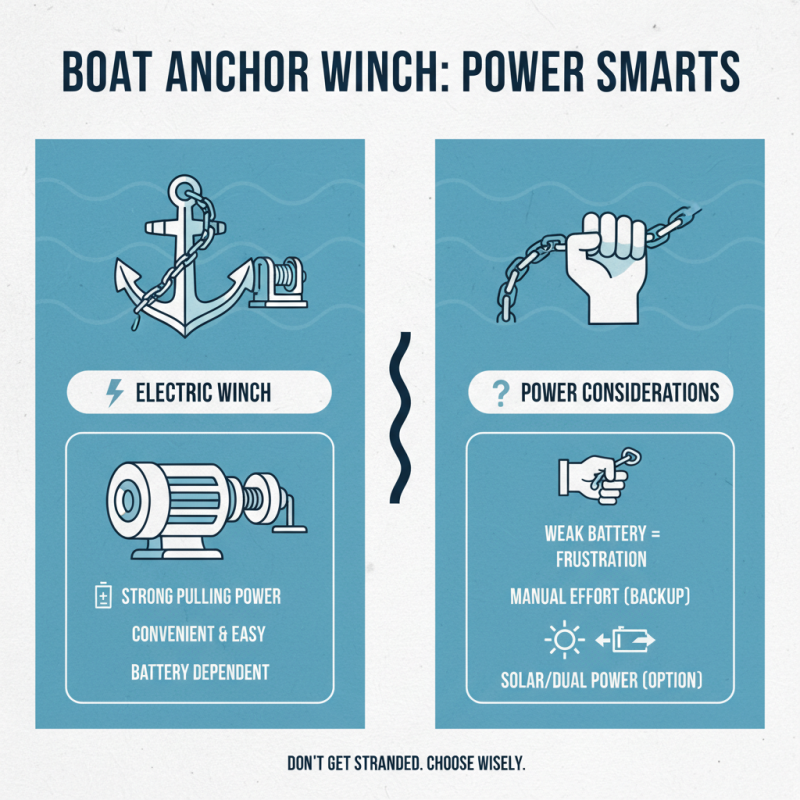
When choosing a boat anchor winch, power sources play a crucial role in efficiency. Electric winches can deliver strong pulling power. They are convenient and easy to operate. However, relying solely on battery power may not always be ideal. A weak battery can lead to frustrating moments on the water. You may find yourself struggling with heavy chains or anchors at the worst times.
On the other hand, hydraulic winches are often more powerful and reliable. They produce consistent performance, thanks to their connection to the boat's engine. Still, installation can be complicated and costly. It requires space and an understanding of hydraulic systems. Assessing the power source helps ensure your winch fits your boating style.
Consider your specific needs before making a choice. Think about how often you anchor. Heavy users might prefer a hydraulic option. Casual boaters may find an electric winch sufficient. Weight and size also matter. A larger winch may handle heavier loads but adds bulk. Weighing these factors can lead to better decisions. Ultimately, your efficiency on the water may depend on these often-overlooked details.
Maintenance Tips for Ensuring Longevity of Your Anchor Winch
To keep your boat anchor winch in top shape, regular maintenance is crucial. Start by inspecting the winch for any signs of wear or damage. Look for rust or any loose parts. These issues can lead to bigger problems later on. Consider the environment where you use the winch. Saltwater can corrode metal parts quickly. Rinse the winch thoroughly with fresh water after each trip.
Lubrication is another key factor in maintaining your anchor winch. Use a suitable marine grease to keep moving parts running smoothly. This can prevent jamming or malfunctioning. Check the electrical connections too. A loose wire can cause unexpected failures. Inspect the battery regularly and replace it if necessary. Don't ignore unusual sounds when operating the winch.
Many forget to replace worn-out parts until it's too late. Pay attention to the condition of the drum and line. If they show significant fraying or damage, replace them immediately. Performing routine checks will help avoid breakdowns at sea. Remember, neglect can lead to costly repairs. Your winch works hard, and its maintenance should reflect that.