Choosing the best dock bungee lines for your boat is crucial for safe and effective docking. Dock bungee lines offer flexibility and strength, preventing damage during high winds or rough waters. Selecting the right lines can enhance your boating experience significantly.
When considering dock bungee lines, think about the material and elasticity. A good line should withstand harsh conditions. Look for trusted brands with positive reviews to ensure reliability. The wrong choice could lead to frustrating experiences or even accidents.
Additionally, reflect on your specific needs. What type of boat do you have? How often do you dock? These questions are important. Not every line suits every situation. Take the time to evaluate your options carefully. The right dock bungee lines can make your time on the water safer and more enjoyable.
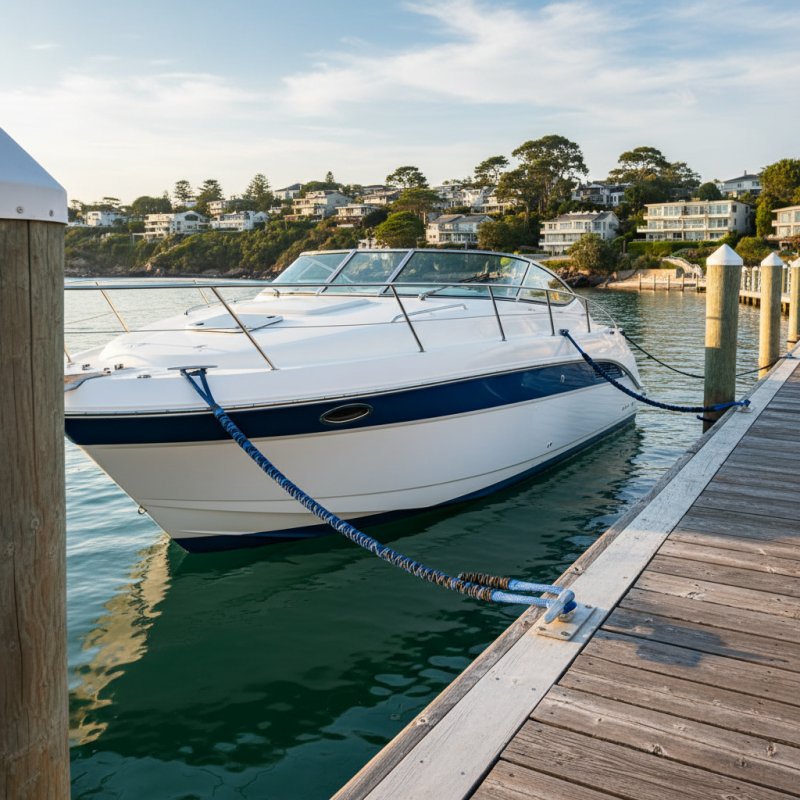
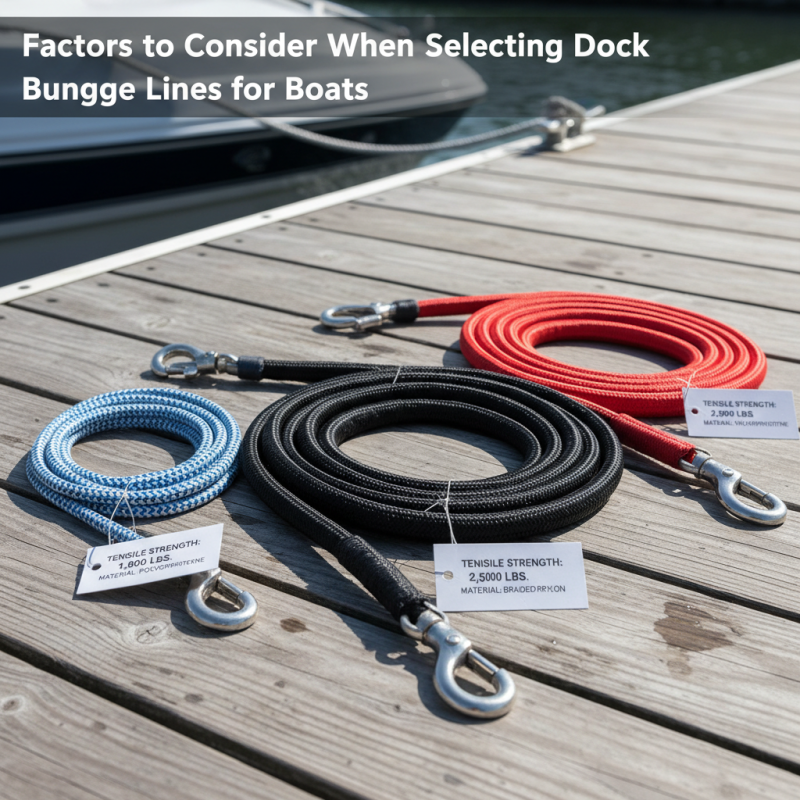
When selecting dock bungee lines for your boat, several crucial factors come into play. The tensile strength is key. Data shows that most dock bungee lines should support a minimum of 1,500 to 2,500 pounds of tensile strength, ensuring safety and reliability. A line that is too weak could snap under load, leading to potential damage to your boat or dock areas. Look for materials like nylon or polypropylene. These materials usually provide better durability and resistance to weather conditions.
Length is another critical factor. Dock bungee lines come in various lengths, typically ranging from 4 to 6 feet. Ensure the line's length fits your docking requirements. A line that's too short may not provide adequate cushioning, while one that is too long may cause tangling or improper adjustments. You should also consider the elasticity of the bungee line. Research indicates that a 20%-30% stretch ratio is ideal for absorbing shock and providing gentle boat retainment. However, if the elasticity is excessive, it may lead to difficulties in securing the boat properly.
Lastly, keep an eye on the attachment points. Some lines have hooks, while others may feature loops. Secure attachment points enhance performance and security. The industry average suggests that poorly constructed hooks can lead to a 50% failure rate, causing concern for boat owners. Overall, understanding these factors helps in making informed decisions when choosing dock bungee lines, ensuring safer docking experiences.
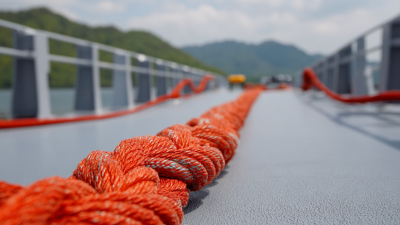
When selecting dock bungee lines for your boat, the material type is crucial. Different materials have unique properties that affect durability and stretch. Common materials include nylon, polyester, and rubber. Nylon offers excellent strength and elasticity, making it a popular choice. However, its tendency to absorb water can reduce its lifespan in certain conditions.
Polyester is another excellent option. It has minimal stretch, providing stability during docking. This low stretch can be beneficial for larger boats that require steady lines. Yet, polyester can be less flexible in cold temperatures, which might lead to brittleness over time. Rubber bungee lines are also widely used. They provide exceptional stretch and shock absorption, ideal for handling sudden movements. Yet, they may degrade more quickly when exposed to UV rays.
When choosing your lines, consider the specific needs of your boat and typical weather conditions. Testing various materials can lead to better decisions. Think about how often you use your boat and the water conditions in your area. Durability may be prioritized over stretch for frequent users. However, casual boaters might favor the comfort of elastic lines. This reflection on your usage patterns can help ensure you choose the right dock bungee lines.
| Material Type | Durability (Years) | Stretch Percentage | Weather Resistance | User Rating (1-5) |
|---|---|---|---|---|
| Nylon | 5 | 15% | High | 4.5 |
| Polyester | 4 | 10% | Moderate | 4.2 |
| Rubber | 3 | 20% | Low | 3.8 |
| Polypropylene | 2 | 25% | Very Low | 3.5 |
Choosing the right dock bungee lines for your boat is crucial for maintaining security and stability. Optimal lengths and sizes significantly depend on the type of boat and specific dock conditions. For smaller boats, typically under 20 feet, lines between 6 to 10 feet work well. These shorter lengths enable quick adjustments and provide ample stretch to absorb shocks.
For larger vessels, such as those over 25 feet, consider lines from 10 to 15 feet in length. This allows for greater flexibility when mooring in varied conditions. A recent industry report by the Marine Safety Association highlights that 80% of boating incidents involve inadequate docking practices. Proper bungee line lengths can help prevent accidents.
Factors like wind, current, and dock height also influence the ideal size. Dock lines need to be elastic enough to absorb pressure without causing strain. However, short lines may not provide sufficient give in strong currents. Many boaters overlook these details. Reflecting on bungee line choices can lead to safer, more enjoyable docking experiences.
When selecting dock bungee lines for your boat, understanding load capacity ratings is vital for safety. The load capacity indicates the maximum weight the line can handle. Choosing a line with a suitable rating ensures it can withstand the forces while docking, especially in rough conditions. Assess your boat’s weight and consider the environment.
Tips: Always opt for lines rated higher than your needs. This ensures a safety margin.
Another consideration is the material. Some bungee lines may use lower-quality materials that can fray or stretch over time. Inspecting your lines regularly for signs of wear can prevent unexpected failures. Remember, a line that seems perfect today might not perform well tomorrow.
Tips: Look for user reviews when selecting materials. A good line can make all the difference.
Installing and maintaining bungee lines on docks requires careful attention to detail. Choose the right length for your specific dock. Lines that are too short may not provide enough give. Alternatively, overly long lines can complicate maneuvering and handling. Use high-quality materials that can withstand harsh weather conditions. Weather resistance is key to ensuring longevity and reliability.
Regular maintenance checks are essential. Inspect your lines routinely for signs of wear, such as fraying or stretching. Replace any damaged sections immediately. Consider using protective covers to prevent UV damage, as sunlight can degrade the material over time. Adjust the tension of your lines based on seasonal changes. In winter, for example, you might want a looser setup to accommodate ice movements.
Remember that boat docks are dynamic environments. Waves, wind, and other forces can impact the setup. It’s essential to adapt your installation to these changing conditions. Reflect on the flexibility needed in your approach. A well-maintained bungee line can enhance your docking experience, but neglect can lead to serious mishaps. Keeping a close eye on installation and routine care promotes safer boating.