How to Choose the Right Double Girder Gantry Crane for Your Needs?
Choosing the right double girder gantry crane can significantly impact your operational efficiency. These cranes are critical in various industries, including construction, shipping, and manufacturing. According to a recent industry report from Grand View Research, the global gantry crane market is projected to reach $4.2 billion by 2028, reflecting a growing need for advanced lifting solutions.
Understanding your specific requirements is essential. Factors such as load capacity, span width, and lifting height must be considered. A double girder gantry crane offers higher lifting capacity compared to its single girder counterpart. However, not every operation requires the additional capabilities. Sometimes, a simpler model might suffice.
Additionally, potential buyers should reflect on safety features. The 2020 Crane Safety Report highlighted that improper crane selection led to 30% of industry accidents. Hence, it is vital to assess your needs thoroughly. Selecting the right model is more than making a purchase; it’s about improving safety and productivity in your operations.
Understanding the Basics of Double Girder Gantry Cranes
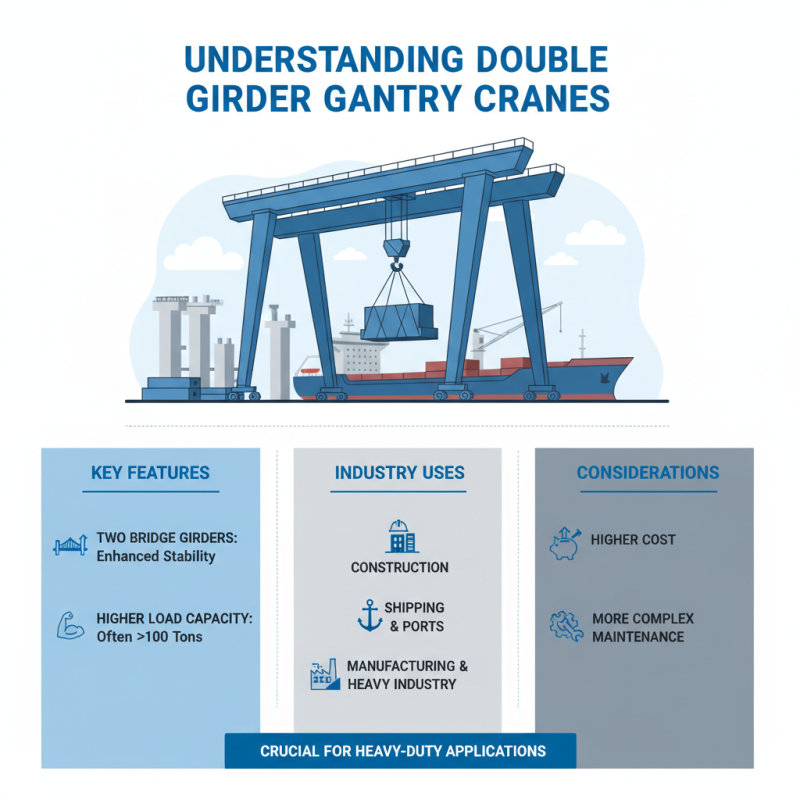
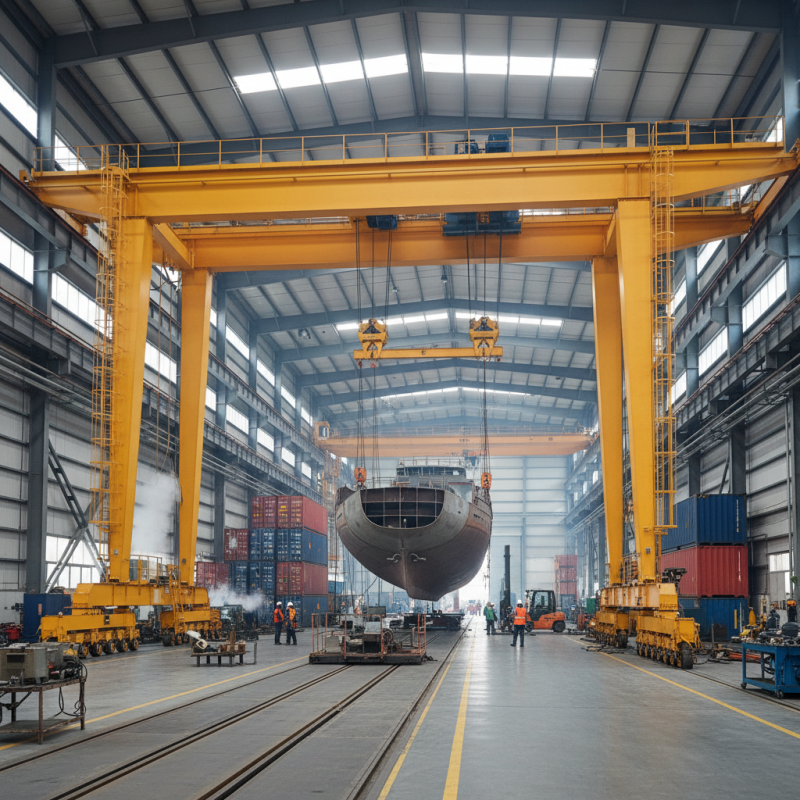
Double girder gantry cranes play a crucial role in various industries, including construction and shipping. Understanding their basics can significantly influence your choice. These cranes typically have two bridge girders, providing enhanced stability. They can support heavier loads compared to single girder systems, often lifting weights exceeding 100 tons. However, this added capacity comes with higher costs and more complex maintenance.
When selecting a gantry crane, consider the environment. Indoor setups may not require the same weather-resistant features as outdoor applications. According to industry data, around 30% of accidents stem from improper equipment usage. Therefore, understanding load capacities and operational limits is essential. Experts suggest evaluating your operational needs carefully. Would a double girder crane enhance productivity, or would it lead to unnecessary expenditure?
Installations can be intricate. Improper assembly can reduce a crane's lifespan and efficiency. Data indicates that poorly maintained cranes account for approximately 25% of mechanical failures annually. Regular inspections and a proactive maintenance schedule may mitigate these risks. Being aware of these crucial factors will help in making an informed decision, balancing needs against practical limitations.
Identifying Your Specific Lifting Needs and Requirements
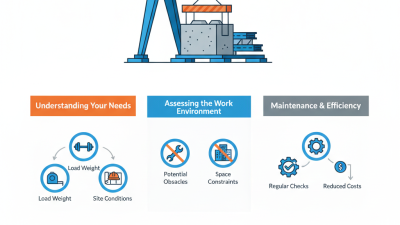
When identifying your specific lifting needs for a double girder gantry crane, consider various factors. Determine the maximum weight you expect to lift. This weight should include not just the load but any additional equipment. Next, think about the height and distance the crane will need to operate. This is crucial for effective performance in your workspace.
Tips: Assess your current and future lifting needs. It’s important to plan for potential growth. Often, companies underestimate their future requirements. It’s better to overestimate than to be caught off guard later.
Express your workspace dimensions clearly. Measure the area to ensure there's enough space for the crane to operate efficiently. Also, check the ground conditions. An unstable surface could lead to operational issues. Sometimes, consulting with an expert can help clarify these specifics.
Tips: Consider environmental factors too. Will your gantry crane be used indoors or outdoors? Weather could impact its performance. Research how different materials respond to extreme temperatures or moisture. A little extra effort now can prevent challenges down the road.
How to Choose the Right Double Girder Gantry Crane for Your Needs?
| Specification |
Details |
| Load Capacity |
5 - 100 tons |
| Span Length |
10 - 50 meters |
| Lifting Height |
6 - 30 meters |
| Power Supply |
220V, 380V, 415V |
| Control Type |
Remote Control / Cabin Control |
| Usage Environment |
Indoor/Outdoor |
| Safety Features |
Overload Protection, Emergency Stop |
| Maintenance Requirements |
Monthly Inspections, Annual Servicing |
Examining Key Features and Specifications of Gantry Cranes
When selecting a double girder gantry crane, it is vital to evaluate key features and specifications. Start by examining the load capacity. This defines how much weight the crane can lift safely. Ensure it meets your project needs. A crane with insufficient capacity can lead to accidents and damage.
Consider the span and lifting height next. The span is the distance between the two girders. It affects the area the crane can cover. Insufficient span limits its effectiveness. Lifting height determines how high loads can be raised. Verify these measurements to avoid pitfalls.
Tips: Always account for additional factors like wind load and ground conditions. The stability of the crane is crucial for safety. Inspect the mobility aspects as well. If the terrain is uneven, choose cranes with suitable wheels.
Don't forget about the
control systems. They vary widely. Some are manual, while others are automated. Think about the expertise of your operators. Complex systems may require special training. Having a user-friendly setup is important for efficiency.
Evaluating Manufacturer Reputation and Support Services
Choosing the right double girder gantry crane goes beyond just specifications. Evaluating the manufacturer’s reputation and support matters significantly. Reliable manufacturers often have a proven track record in the industry. A strong reputation indicates commitment to quality. According to recent market data, 75% of crane failures can be traced back to poor manufacturer support.
Effective support services can minimize downtime. Look for manufacturers that offer timely maintenance and parts replacements. A study from the Industrial Crane Association reveals that companies prioritizing regular maintenance extended their equipment lifespan by 20%. Not all manufacturers provide adequate support, so ensure you research thoroughly.
Tips: Always check customer reviews. They reflect actual experiences. Additionally, inquire about warranty options. A solid warranty can protect your investment. Assess not just what is offered upfront but what support you can expect long-term. Confirm that the manufacturer has a responsive customer service team and access to spare parts. This can prevent future headaches.
Assessing Budget Considerations and Cost-Effectiveness
When choosing a double girder gantry crane, budget considerations play a crucial role. Determine how much you can invest upfront. This helps narrow down your options significantly. Keep in mind that cranes come with varying price tags. The initial cost is important, but hidden costs lurk behind every corner. Installation, maintenance, and service charges can add to your overall budget.
Cost-effectiveness isn’t just about the price. Analyze the crane's efficiency and durability. A cheaper option may not always be the best. Evaluate the workload and frequency of use. Will this crane stand the test of time, or will it wear out quickly? If it needs frequent repairs, the overall costs will skyrocket.
Consider the long-term benefits. A higher upfront investment might lead to lower operational costs. It's worth taking the time to assess these factors thoroughly. Budget constraints can pressure you to rush decisions. However, hasty choices may result in regrets later. Reflect on your necessities rather than just focusing on financial savings.
Cost-Effectiveness Analysis of Double Girder Gantry Cranes
This bar chart illustrates the estimated costs associated with different capacities of double girder gantry cranes, helping you to assess budget considerations effectively.