2026 How to Choose the Right Electric Monorail Hoist?
Choosing the right Electric Monorail Hoist is vital for industries requiring efficient lifting solutions. With various options available, making an informed decision can feel daunting. The right hoist can enhance productivity, while the wrong choice may lead to operational inefficiencies.
Understanding specifications is critical. Load capacity, lift height, and speed are key considerations. Not all Electric Monorail Hoists suit every application. Buyers should assess their specific requirements carefully. Engaging with expert opinions and industry reviews adds valuable insights.
Investing time in research will pay off. The goal is to find a reliable hoist that aligns with your operational needs. Remember, the best choice is not always the most popular one. A thoughtful approach can prevent costly mistakes and enhance safety standards in your workplace.
Understanding Electric Monorail Hoists and Their Applications
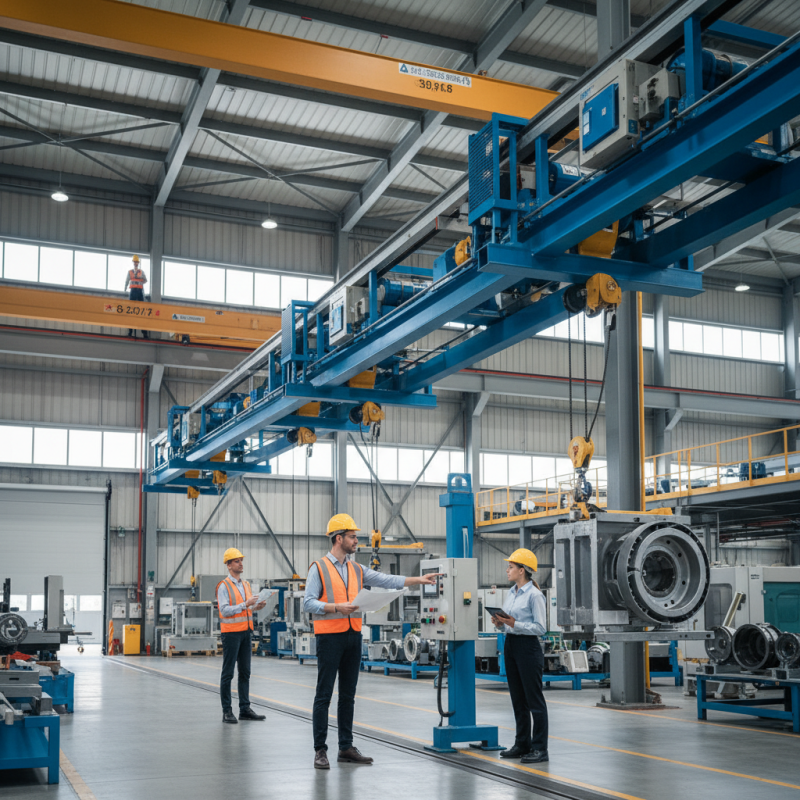
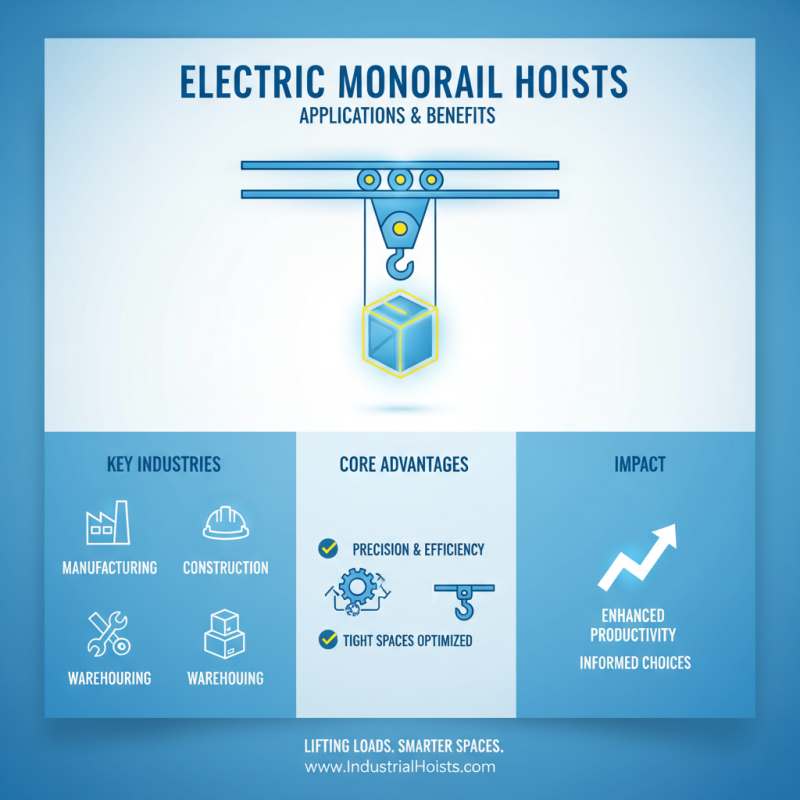
Electric monorail hoists have become essential in industries such as manufacturing, construction, and warehousing. Their ability to lift heavy loads with precision and efficiency makes them invaluable. These hoists can be particularly effective in tight spaces where traditional cranes cannot operate. Understanding their applications helps in making informed choices that will enhance productivity.
Tips: **Evaluate Your Load Needs**. Analyze the weight and dimensions of the items you intend to lift. Choose a hoist that meets or exceeds these specifications. **Consider Installation Space**. Measure the area where the hoist will be installed. It is vital for ensuring proper clearance and functionality.
These hoists are versatile. They are often used in assembly lines, garages, and storage facilities. Their design allows for easy maneuverability along the monorail. However, choosing the wrong hoist may lead to inefficiencies or safety hazards. Many users overlook maintenance needs, which can lead to costly repairs or downtime. Regular checks on the hoist's components can prevent such issues.
Key Factors to Consider When Choosing an Electric Monorail Hoist
Choosing the right electric monorail hoist involves multiple factors that influence its effectiveness and safety. Load capacity is a primary consideration. You must assess the maximum weight that your hoist will handle regularly. Overloading can lead to equipment failure, so choose wisely. The duty cycle of the hoist is also crucial. A hoist used constantly needs a higher duty rating.
Another factor to keep in mind is the environment where the hoist operates. Is it indoors or outdoors? Will it face extreme temperatures or moisture? Such conditions impact the hoist's performance and longevity. Also, consider the installation space. Some hoists require specific setups that may not work in all locations.
Features like control systems should not be overlooked. Ease of use can enhance efficiency. Look for clear controls that minimize confusion. Think about maintenance. A hoist that is easy to service can save time in the long run. Reflect on your specific needs and your team's capabilities. A perfect choice is rare; it often requires compromises.
Comparing Different Types of Electric Monorail Hoists
When selecting an electric monorail hoist, understanding the types available is crucial. There are two main categories: chain hoists and wire rope hoists. Chain hoists are typically more compact and are ideal for lighter loads, while wire rope hoists offer greater lifting capacities and durability. According to industry data, chain hoists can handle loads of up to 5 tons, while wire rope hoists can manage loads over 20 tons. This makes wire rope options favorable for heavy-duty applications, particularly in construction and manufacturing.
Electric monorail hoists vary in speed, control, and lift height. Consider the frequency of use and the operational environment. For example, environments with high dust or moisture might require specific protection ratings. Additionally, features such as overload protection and emergency stops can enhance safety and reliability.
*Tip: Always assess the load requirements before making a decision. Underestimating the load can lead to equipment failure and accidents. Choose a hoist that offers flexibility in load handling for future needs.*
Another consideration is the power source. Some hoists operate on single-phase power, while others require three-phase connections. Evaluating your facility's electrical capabilities is essential. If possible, consult a professional.
*Tip: Think about future scalability. Select a hoist that can accommodate potential growth in operational demands.*
Evaluating Load Capacity and Safety Features
Choosing the right electric monorail hoist requires careful evaluation of load capacity and safety features. According to industry data, over 30% of workplace accidents are linked to equipment failure. This highlights the need for a robust hoisting system that suits specific tasks.
Load capacity is a crucial metric. A hoist must handle the maximum load with a safety margin of at least 25%. For instance, if the heaviest load is 500 kg, opt for a hoist rated above 625 kg. This cushion can prevent potential breakdowns.
Safety features are equally important. Look for hoists equipped with overload protection and emergency stop buttons. Reports indicate that 50% of accidents occur due to operator error. Training and safety mechanisms can significantly reduce this risk. Further, check for features like limit switches to prevent loads from exceeding travel limits. The presence of certified safety features can give operators more confidence.
Even with the best equipment, reflections on operation practices are essential. Regular maintenance checks can reveal hidden vulnerabilities. Just because a hoist is rated for heavy loads does not guarantee it will perform under all conditions. Beyond specifications, an understanding of the application environment is vital. The choice should not solely depend on numbers but also on practicality.
Maintenance and Support for Electric Monorail Hoists
When it comes to electric monorail hoists, maintenance and support are crucial. Regular inspections can prevent unexpected breakdowns. Check the hoist's components frequently. Look out for wear and tear, especially in cables and pulleys. Minor issues can escalate into major problems if overlooked.
Support from trained technicians is essential. They can provide guidance on proper usage and troubleshooting. Having a maintenance schedule ensures all parts function smoothly. It's wise to document any repairs made, as this helps track performance over time.
Despite best efforts, sometimes things go wrong. Hoists may show unusual noises or fail to operate correctly. This requires immediate attention. An efficient support system can minimize downtime. Trustworthy professionals can make a noticeable difference, ensuring safety and reliability in operations.
2026 Electric Monorail Hoist Selection Overview
This chart illustrates the key factors to consider when choosing the right electric monorail hoist, highlighting their importance based on survey data from industry professionals.