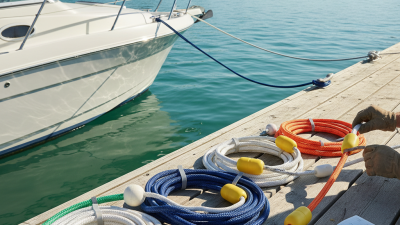
How to Choose the Right Floating Dock Lines for Your Needs?
Choosing the right floating dock lines can significantly enhance your boating experience. Floating dock lines are essential for securing your boat to a dock, ensuring stability and safety. The variety of materials and specifications available makes the selection process challenging. It’s crucial to understand your unique needs.
When evaluating floating dock lines, consider factors like length, thickness, and material. Your boat's size and weight will influence these choices. A lighter vessel may not require heavy-duty lines, while larger boats will. Quality is paramount; poorly made lines can fail easily. This can lead to costly damage.
It’s also important to think about environmental conditions. Are you in an area with strong tides or high winds? These factors can affect the performance of your dock lines. Take some time to reflect on your specific situation. The right floating dock lines will not only protect your investment but also enhance your enjoyment on the water.
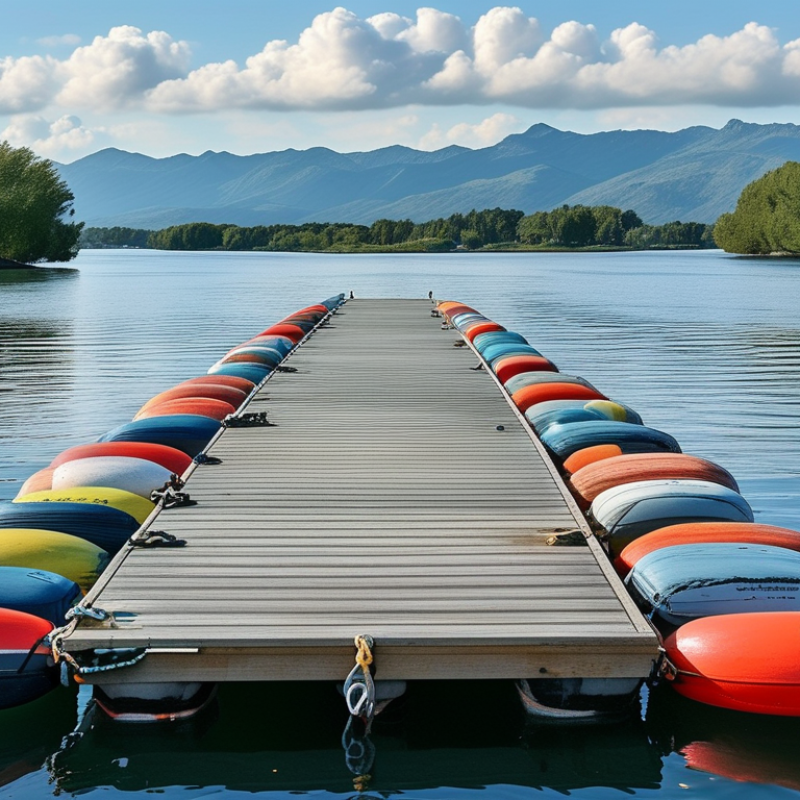
Understanding the Importance of Floating Dock Lines in Boating
Floating dock lines play a crucial role in boating safety and efficiency. These lines help secure boats to docks, ensuring they remain stable in varying water conditions. According to the National Association of State Boating Law Administrators, over 70% of boating accidents occur at the dock. Properly chosen dock lines can mitigate such risks, preventing collisions and unintentional drifting.
Selecting the right floating dock lines requires understanding your specific needs. Factors such as boat size, weight, and typical water conditions are essential. For instance, a smaller boat may require lines with a tensile strength of 3,000 pounds. In contrast, larger vessels might need lines above 6,000 pounds. A recent report from the Boating Industry Association highlighted that improper line selection contributed to nearly 30% of docking incidents.
It's also important to consider the weather. Strong winds or currents may demand more robust and flexible lines. Many boaters overlook this aspect. Using lines that lack the right stretch can lead to unfortunate outcomes. Additionally, wear and tear on existing lines aren't always visible, which can lead to failure at critical moments. By understanding the significance of quality dock lines, boaters can prioritize safety and performance on the water.
Types of Floating Dock Lines and Their Specific Uses
When selecting floating dock lines, understanding the types available is crucial. Various lines cater to specific needs. For instance, braided nylon lines are popular for their strength and flexibility. They stretch under load, absorbing shocks effectively. Research indicates these lines can withstand a tensile strength of up to 5,000 pounds, making them ideal for larger vessels or bustling marinas. Their durability is unmatched, and they resist rot and UV damage.
In contrast, polypropylene lines float, making them easier to handle in water. They are often used for smaller crafts or temporary setups. Their lightweight nature allows for quick deployment. Data from boating studies highlight that around 30% of recreational boaters prefer floating lines for ease of use. However, these lines may wear out quicker under constant exposure to elements. Users should consider the trade-offs in longevity versus convenience.
Many boaters overlook the importance of dock line length and diameter. A 3/8 inch diameter line is often suitable for smaller boats, while larger vessels might require 5/8 inch lines. The length should typically be double the boat's height at the dock. Yet, precise measurements can be challenging. Many boaters find themselves improvising, leading to potential safety issues. When selecting dock lines, match them to your specific needs, balancing strength and manageability.
Factors to Consider When Choosing Floating Dock Lines
When selecting floating dock lines, several factors significantly impact performance. The first consideration is material. Polypropylene and nylon are popular options, each with unique benefits. Polypropylene resists water absorption, making it ideal for wet environments. Conversely, nylon offers excellent strength and abrasion resistance.
Length matters too. Ensure the dock lines are long enough to accommodate fluctuations in water levels. Short lines can lead to increased tension, causing wear or breakage. Test different lengths to find the perfect fit for your setup.
Tips: Regularly inspect your lines for signs of wear or fraying. This simple check can save you from potential disasters. When securing your boat, use multiple lines for added stability. It’s wise to assess current weather conditions prior to docking. Extreme weather can demand more resilient lines.
Additionally, consider the line's diameter. Thicker lines can handle more strain but may be heavier to manage. A balance must be struck between strength and usability. Each docking situation may require different lines, prompting critical moments of reflection on your choices. Adjusting based on experience can lead to better outcomes.
Factors to Consider When Choosing Floating Dock Lines
This chart illustrates the importance of various factors when selecting floating dock lines. Breaking strength is rated as the most crucial factor, followed closely by material and UV resistance. Length and diameter are also important but slightly less critical in the decision-making process.
Proper Maintenance and Care for Your Dock Lines
Proper maintenance of your dock lines is crucial for their longevity and effectiveness. Regular inspections help identify wear or damage. Look for frayed edges or discoloration, as these are signs of deterioration. Replace any lines that exhibit these issues to ensure safe docking.
Cleaning your dock lines is another essential step. Use fresh water and a gentle brush to remove salt and grime. Avoid harsh chemicals, as they can weaken the material. After cleaning, let the lines dry completely before storing them. This practice prevents mold and mildew, which can significantly reduce their lifespan.
Lastly, proper storage is vital. Store lines in a cool, dry place away from direct sunlight. Over time, UV rays can weaken fibers, leading to failure when most needed. Keeping them coiled neatly prevents tangling and makes them easier to use. Reflect on your maintenance habits; routine care can enhance safety and prolong the life of your dock lines.
Common Mistakes to Avoid When Selecting Dock Lines
Choosing the right floating dock lines requires careful consideration. One common mistake is underestimating the line's length. Many boaters opt for shorter lines to save money. However, this can lead to issues like inadequate mooring and increased strain on the boat. Research indicates that oversized lines can absorb more shock, reducing wear on both the dock and the vessel.
Another frequent error is ignoring the material's importance. Nylon is often favored for its strength and shock-absorbing properties. However, some boaters choose cheaper alternatives, leading to quick degradation. According to industry reports, degraded lines can lose up to 40% of their strength in just a year if not cared for properly. A lack of understanding of UV damage is also prevalent; prolonged exposure can severely weaken the lines.
Lastly, many individuals overlook line diameter. Thicker lines might seem stronger, but they can be heavy and difficult to handle. Proper education on the right dimensions is crucial. A balance between strength and usability is essential for those new to boating. Taking the time to educate oneself on these factors can lead to safer and more efficient docking experiences.
How to Choose the Right Floating Dock Lines for Your Needs? - Common Mistakes to Avoid When Selecting Dock Lines
| Dock Line Type |
Material |
Recommended Length |
Common Mistakes |
| Braided Dock Lines |
Nylon |
15-30 ft |
Choosing too short or too long lines |
| Twisted Dock Lines |
Polyester |
10-25 ft |
Ignoring UV resistance |
| Bungee Dock Lines |
Rubber/Nylon |
10-20 ft |
Not accounting for stretch |
| Heavy-duty Dock Lines |
Polypropylene |
20-40 ft |
Overestimating weight capacity |
| Floating Dock Lines |
Polyethylene |
15-25 ft |
Failing to check for buoyancy |