How to Choose the Best Anchor Winch for Your Boating Needs
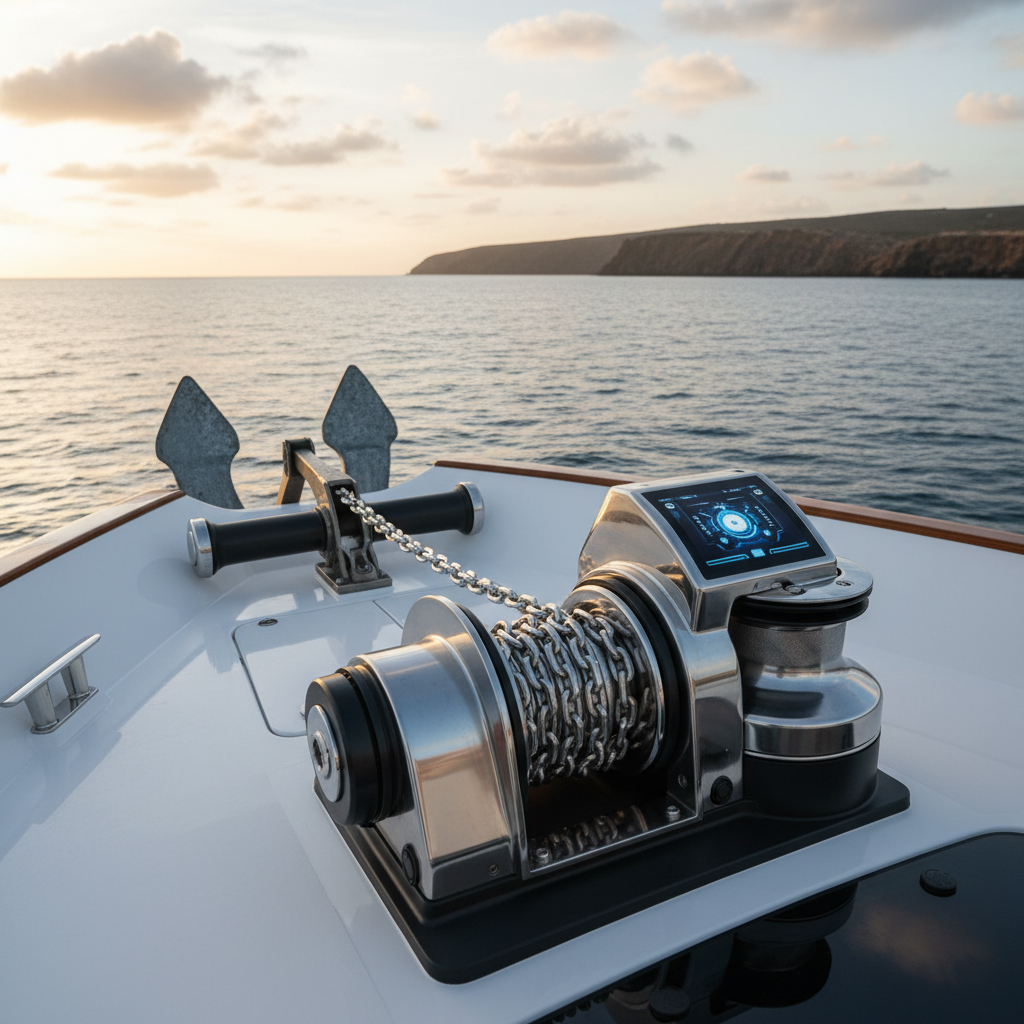
Choosing the best anchor winch for your boating needs requires careful consideration of various factors to ensure optimal performance and reliability on the water. An anchor winch is an essential piece of equipment for any boater, playing a crucial role in the anchoring process. With the advancement of technology and the introduction of various digital types in 2025, the market is flooded with options that can be overwhelming for both seasoned mariners and newcomers alike.
Understanding the specific requirements of your boating lifestyle and the types of anchors that suit your vessel is fundamental in making an informed decision. Whether you are a casual day-tripper or a dedicated offshore adventurer, selecting the right anchor winch can significantly enhance your boating experience.
This guide aims to simplify the decision-making process by highlighting key features to consider, comparing different models, and spotlighting the top anchor winch options available in 2025. With the right information at your fingertips, you can confidently choose an anchor winch that meets your unique needs and helps you anchor safely wherever your adventures may lead.
Top Considerations for Selecting an Anchor Winch for Your Vessel Size
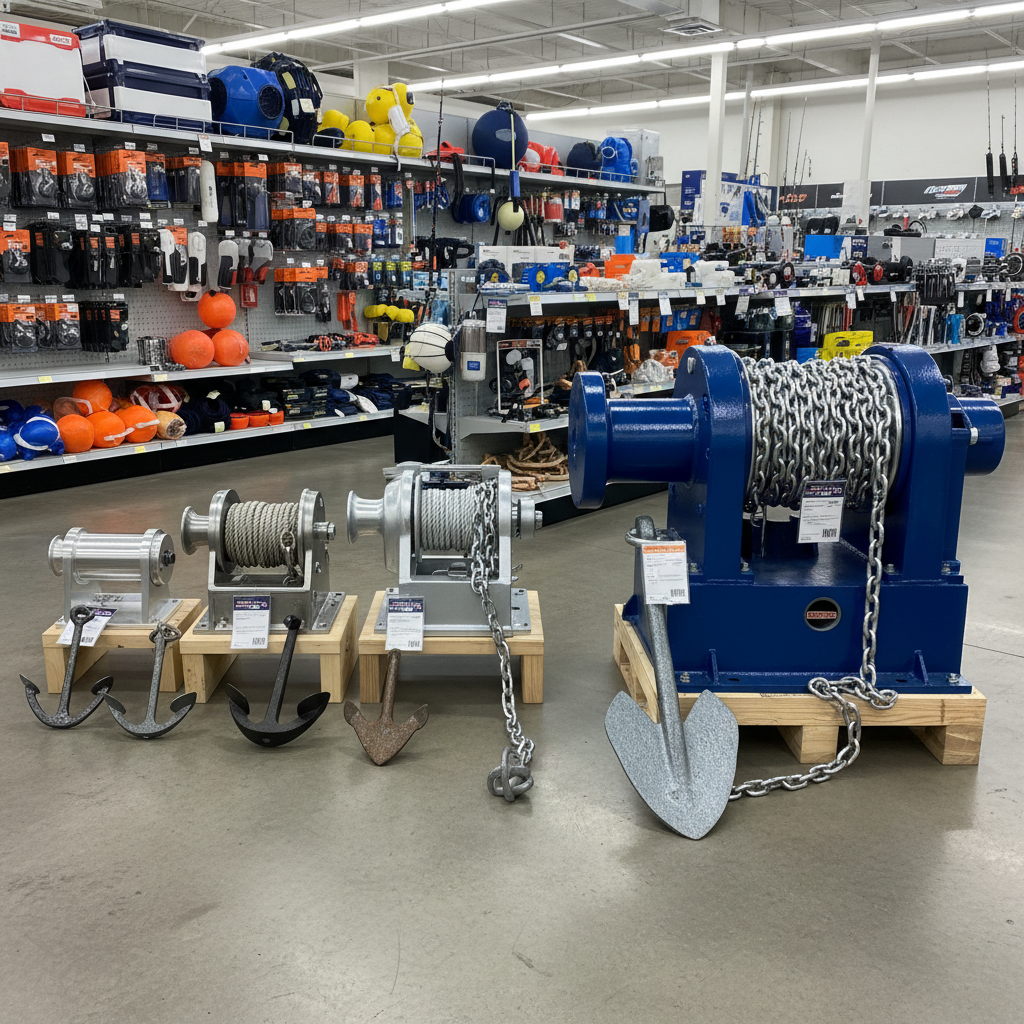
When selecting an anchor winch, vessel size is a crucial factor to consider. The weight of your boat plays a significant role in determining the appropriate winch capacity. Lighter vessels typically require smaller, more compact winches, while larger boats necessitate more robust models that can handle greater loads. It’s essential to choose a winch that not only matches your vessel's weight but also accounts for the type of anchor you plan to use, as different anchor styles can influence overall anchor handling efficiency.
Another important consideration is the installation space on your boat. Assessing the available deck space will help determine the dimensions and mounting style of the anchor winch. Some boats may have limited room, which can necessitate a more streamlined or vertical winch design. Additionally, consider the electrical system of your vessel; an anchor winch will require sufficient power supply, and ensuring compatibility can prevent future operational issues. Understanding these aspects will aid in choosing the best anchor winch tailored to your boating needs.
Top Features to Look for in Electric vs. Manual Anchor Winches
When selecting an anchor winch, understanding the differences between electric and manual options is crucial to meet your boating needs effectively.
Electric anchor winches offer convenience and efficiency, featuring powerful motors that can handle heavy anchors and chain with ease.
Look for models with a quick retrieval system, as well as waterproof housing to protect against ocean elements. Additional features like remote controls or integrated winch brakes can enhance usability, making anchoring a seamless part of your boating experience.
On the other hand, manual anchor winches provide a simpler, more traditional approach that tends to be more cost-effective and requires less maintenance.
When opting for a manual winch, focus on the gear ratio; a higher ratio will make it easier to pull up heavy anchors.
Also, consider the build quality—aluminum or stainless steel materials are preferable for durability. Features such as a locking mechanism and a smooth operating handle can significantly improve the experience of anchoring manually, ensuring safety and efficiency on the water.
Top Brands of Anchor Winches Based on Industry Reviews and Reliability
When it comes to selecting the best anchor winch for your boating needs, industry reviews are indispensable for making an informed choice. According to a recent market analysis conducted by Boating Industry, the leading brands known for their reliability include Lewmar, Simpson Lawrence, and Maxwell. These companies have consistently received high ratings from users and experts alike, with Lewmar topping the charts for its innovative designs and robust performance in various marine environments.
In a survey published by Marine News, 78% of respondents indicated that they prioritize a winch’s ease of use and durability when making their purchases. Lewmar’s Pro-Series models, often highlighted for their user-friendly features and extensive warranties, have become a favorite among both recreational and professional boaters. Meanwhile, Maxwell’s Horizon series is praised for its high-quality construction and efficient operation, earning it a solid reputation in the competitive landscape of anchor winches. Such insights from industry reviews can significantly guide boaters in choosing the right equipment that meets their specific anchoring requirements.
How to Choose the Best Anchor Winch for Your Boating Needs
| Model |
Pulling Capacity (lbs) |
Power Source |
Weight (lbs) |
User Rating (out of 5) |
| Model A |
1200 |
Electric |
45 |
4.5 |
| Model B |
1500 |
Hydraulic |
50 |
4.7 |
| Model C |
1000 |
Manual |
30 |
4.2 |
| Model D |
1800 |
Electric |
55 |
4.8 |
| Model E |
2000 |
Hydraulic |
60 |
4.9 |
Top Performance Metrics: Pulling Power and Line Capacity Explained
When selecting the best anchor winch for your boating needs, understanding top performance metrics such as pulling power and line capacity is crucial. Pulling power refers to the maximum weight the winch can handle when raising or setting the anchor. According to a 2022 report by Boating Industry, a winch should typically have a pulling power that is at least 1.5 times the weight of the boat. For example, if your boat weighs 3,000 pounds, you should look for a winch providing at least 4,500 pounds of pulling power. This ensures that the winch can easily handle the load even in challenging conditions.
Line capacity is another critical metric that indicates how much rope or chain the winch can hold. The American Boat and Yacht Council (ABYC) recommends a line capacity that accommodates the length of the anchor rode appropriate for your boat size and type of anchoring. For instance, a 20-foot boat may require at least 150 feet of anchor line, which necessitates a winch capable of handling that length without compromising performance. Choosing a winch with adequate line capacity ensures that you can anchor safely and efficiently while also being prepared for unexpected circumstances on the water.
Top Maintenance Tips to Extend the Lifespan of Your Anchor Winch
Maintaining your anchor winch is crucial for ensuring optimal performance and longevity, especially for avid boaters. Proper maintenance not only extends the life of your equipment but also enhances safety on the water. According to a report by the National Marine Manufacturers Association, 60% of boating accidents are attributed to equipment failure, emphasizing the importance of regular upkeep.
One of the most effective maintenance tips is to consistently clean and lubricate the winch components. Saltwater can lead to corrosion, which significantly shortens the lifespan of your winch. It's recommended to rinse your anchor winch with fresh water after each use and apply a marine-grade lubricant to moving parts every few months. Additionally, inspect the wiring and electrical components regularly, as faulty connections can lead to catastrophic failures at sea.
Another key tip is to routinely check the anchor line for wear and tear. A survey by Boating Industry found that worn lines account for nearly 30% of anchor failures. Replace any frayed lines immediately and ensure the anchor is compatible with your specific winch. By following these maintenance tips, you can maximize your anchor winch’s performance and reliability, making your boating experiences safer and more enjoyable.