2026 How to Choose the Best Mooring Hawser for Your Needs?
Choosing the right mooring hawser is crucial for boat safety. A mooring hawser serves as the lifeline to your vessel. The material and size of the hawser will affect its performance. Many boater options exist, but not all fit every need. For example, some hawsers are made from synthetic fibers, while others use natural materials.
It’s important to understand how these choices impact durability and strength. A thick, heavy hawser may seem better in strong winds, yet it can be harder to manage. On the other hand, a lightweight option is easier to handle but might not withstand harsh conditions.
Consider your specific situation carefully. Do you moor in calm waters or rough seas? Your decision shouldn’t be taken lightly. Analyze your needs thoroughly. The right mooring hawser can enhance safety and prolong the life of your vessel. However, remember that every choice comes with trade-offs. Your final decision might leave you pondering what could have been.
Understanding Mooring Hawsers: Definition and Purpose
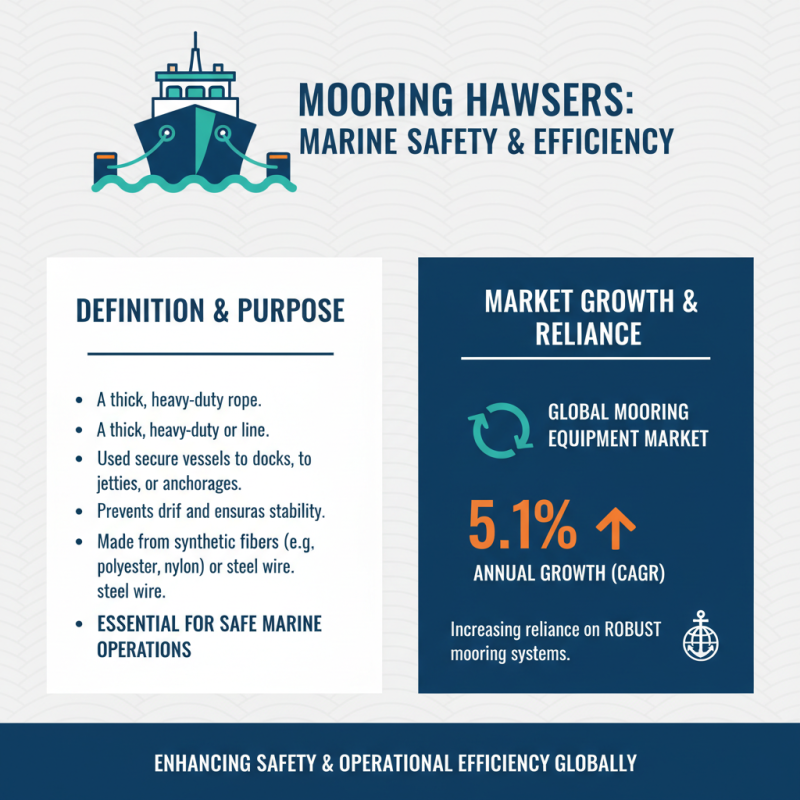
Mooring hawsers play a vital role in marine operations. They are heavy-duty ropes or lines used to secure a vessel at a dock or anchorage. Understanding their definition and purpose can enhance safety and efficiency. According to industry reports, the global mooring equipment market is expected to grow by 5.1% annually, reflecting the increasing reliance on robust mooring systems.
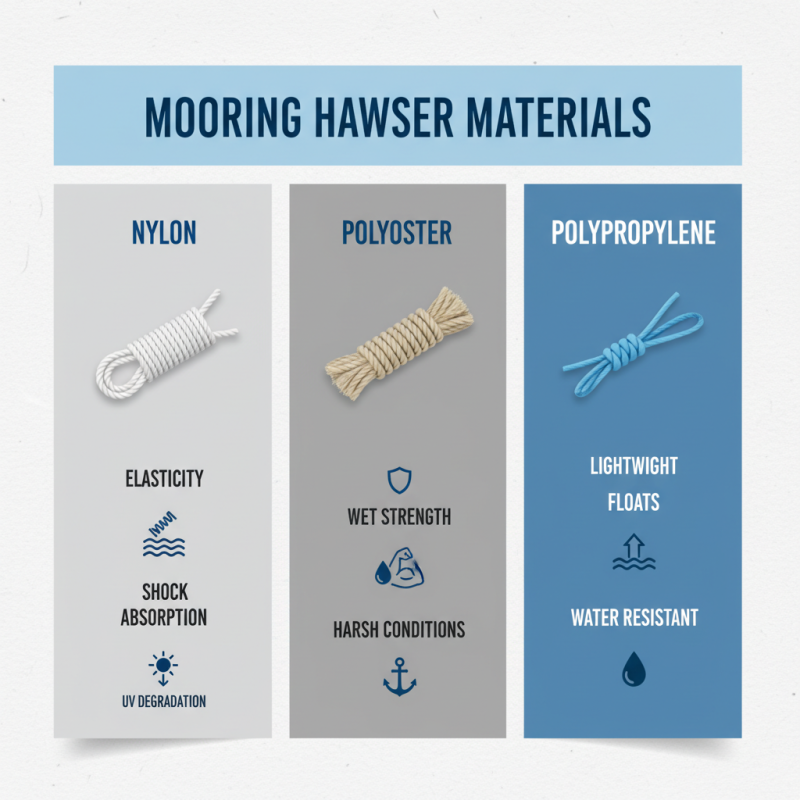
Mooring hawsers come in various materials, including nylon, polyester, and polypropylene. Each material has distinct properties. For example, nylon offers excellent elasticity, making it ideal for absorbing shock loads. Polyester, on the other hand, provides good UV resistance and low stretch. Choosing the right type depends on the specific demands of your operations. An industry report indicates that improper selection of mooring lines can lead to increased wear and tear, leading to costly repairs.
The purpose of mooring hawsers extends beyond securing vessels. They also minimize movement caused by wind and waves. However, not all mooring solutions are foolproof. Some may not withstand extreme weather conditions. It is essential to regularly inspect hawsers for wear and tear. Neglecting maintenance can result in failure during critical moments, leading to severe consequences. Each mooring solution must be evaluated carefully for maximum safety and efficiency.
Types of Mooring Hawsers: Materials and Their Characteristics
When selecting a mooring hawser, understanding the types of materials available is crucial. Common materials for mooring hawsers include nylon, polyester, and polypropylene. Each material has unique characteristics that affect performance. For example, nylon offers excellent elasticity, which helps absorb shock loads. However, it tends to degrade faster when exposed to UV rays. Polyester, on the other hand, has better UV resistance and maintains strength when wet, making it ideal for prolonged exposure to harsh conditions.
Tips: Consider the environment where the hawser will be used. If you anticipate UV exposure, polyester might be the better choice.
Polypropylene is known for its lightweight properties, making it easy to handle. However, its lower durability can be a concern in demanding scenarios. According to industry reports, nylon hawsers can stretch up to 30% under load, providing significant shock absorption. This can be beneficial during rough weather but could be a drawback in stable conditions.
Tips: Always prioritize the specific conditions your mooring line will face, like weather and load type. Choosing incorrectly can lead to safety risks.
Factors to Consider When Selecting a Mooring Hawser
When selecting a mooring hawser, several factors come into play. The size of the vessel is crucial.
Larger ships require stronger hawsers. According to recent industry reports, the minimum breaking strength of a mooring hawser should be at least 1.5 times the weight of the vessel. This ensures safety in various weather conditions.
Material composition also matters. Common materials include polypropylene, nylon, and polyester. Nylon offers excellent elasticity, while polyester boasts low stretch. However, both have different price points and durability factors. Some reports highlight that 60% of users overlook maintenance. Proper care can extend the life of the hawser significantly.
Another critical aspect is the type and frequency of use. If a hawser is used daily, it may need more frequent replacement than a seasonal one. The wear and tear can vary dramatically. Some users might not anticipate the costs associated with high-use scenarios. This can lead to unexpected expenses down the line. Understanding your specific needs is vital for making an informed decision. This process requires careful evaluation and, sometimes, painful reflection on past choices.
How to Determine the Right Size and Strength for Your Needs
Choosing the right size and strength for your mooring hawser is crucial. Several factors affect this decision. The size of your vessel is one. A larger ship needs a thicker, stronger hawser. Consider environmental factors too. Wind, current, and tide can all create additional stress on your lines.
Tips: Think about the maximum load your hawser will encounter. Add extra strength to account for unexpected conditions. Always consult a reliable guide for specifications.
Another important factor is the material. Different materials offer various levels of flexibility and strength. For example, synthetic lines often provide good stretch. Natural fibers may not withstand harsh conditions. Evaluate the expected duration of use and the potential for wear and tear.
Tips: Regularly inspect your mooring equipment. Look for any signs of wear or damage. This practice can save you from unexpected failures.
Maintenance Tips for Extending the Life of Your Mooring Hawser
Maintaining your mooring hawser is crucial for its longevity. Regular inspection is necessary to identify any signs of wear or damage. Look for frayed sections or discoloration that may indicate compromised strength. Cleaning the hawser after exposure to saltwater is vital. Rinse with fresh water to remove salt and debris. This simple step can prevent corrosion and degradation over time.
Store your mooring hawser in a cool, dry place when not in use. Avoid leaving it exposed to direct sunlight for long periods. UV light can weaken the material, leading to premature failure. Consider using a protective cover when storing. Just a small effort can extend its life significantly. Remember that proper handling is equally important. Avoid dragging or dropping the hawser on rough surfaces. These actions can create damage that is not always visible immediately.
While you may feel tempted to push a hawser beyond its limits, this is a risky move. Each mooring environment is different, and sometimes a hawser might not perform as expected. Be mindful of the load and conditions. Taking time to reflect on past experiences can help improve future choices. Proper care goes a long way in ensuring that your mooring hawser meets your needs effectively.
2026 Mooring Hawser Durability Analysis
This chart illustrates the average lifespan of different types of mooring hawsers based on material. The data shows that synthetic fibers generally outperform natural materials in durability.