How to Choose the Right Towing Crane for Your Needs?
Choosing the right Towing Crane is crucial for efficient operations. The global crane market is projected to reach $49 billion by 2025, highlighting the significance of selecting the proper equipment. Towing cranes are essential in construction, shipping, and heavy lifting. They vary significantly in capacity and type.
Inadequate choices can lead to safety risks and increased costs. A study by the Construction Equipment Manufacturers Association states that improper crane selection can result in project delays of up to 30%. Companies must analyze their specific needs before committing to a purchase.
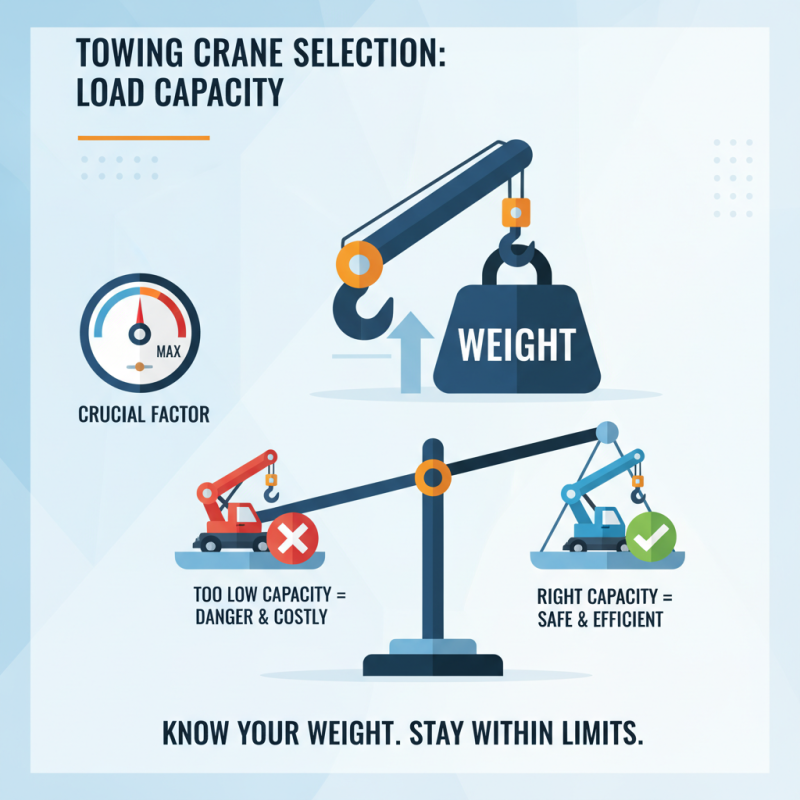
Understanding the load requirements is key. Many organizations underestimate the weight they need to lift. This can lead to using cranes that are underpowered. Towing cranes should match the job at hand. Reflecting on past experiences can reveal mistakes in selection processes. This ensures a better decision for future projects.
Understanding Your Towing Needs and Requirements
Choosing the right towing crane can be challenging. It requires a clear understanding of your towing needs. Are you working in construction? Perhaps you need to move heavy materials. Different situations demand different cranes.
Consider the weight and size of what you will tow. A smaller crane might suffice for lighter loads. However, heavier tasks require a more robust option.
Measure the clearance height too. It’s easy to overlook this detail. If your crane can’t fit under bridges, you’ll face delays.
Reflect on your experience with cranes. Beginners may struggle with larger models. Training might be necessary. It’s crucial to evaluate your team’s capabilities. Make a list of your primary tasks. This reflection can guide your choice.
There’s no one-size-fits-all solution. Each project might highlight different requirements.
Types of Towing Cranes Available in the Market
When it comes to choosing a towing crane, understanding the types available is crucial. There are several options in the market today. One common type is the boom crane. This crane has a long arm that can extend to lift heavy loads. It is ideal for construction sites. Operators can move materials vertically and horizontally. However, it requires ample space to maneuver.
Another popular option is the truck-mounted crane. These cranes are versatile and easy to transport. They can be ideal for tasks in various locations. Yet, their lifting capacity may be limited compared to larger cranes. Additionally, hydraulic cranes offer fantastic power. They can lift heavy loads with precision. They are perfect for heavy-duty work. However, they need regular maintenance.
Consider your specific needs carefully. Each type of crane has its pros and cons. Don't rush the decision. Reflect on the tasks ahead. Assess the environment and conditions you will face. Will you have enough space for a boom crane? Or will a truck-mounted crane fit your tasks better? Make a detailed comparison before making your final choice.
How to Choose the Right Towing Crane for Your Needs?
| Type of Towing Crane |
Load Capacity (Tons) |
Best Use Case |
Mobility |
| Hydraulic Crane |
5 - 100 |
Construction Sites |
Highly Mobile |
| Truck-mounted Crane |
10 - 60 |
Roadside Assistance |
Most Mobile |
| Crawler Crane |
50 - 300 |
Heavy Lifting |
Less Mobile |
| Tower Crane |
10 - 25 |
High-Rise Construction |
Stationary |
| Rough Terrain Crane |
10 - 50 |
Off-Road Applications |
Moderately Mobile |
Assessing the Capacity and Performance Specifications
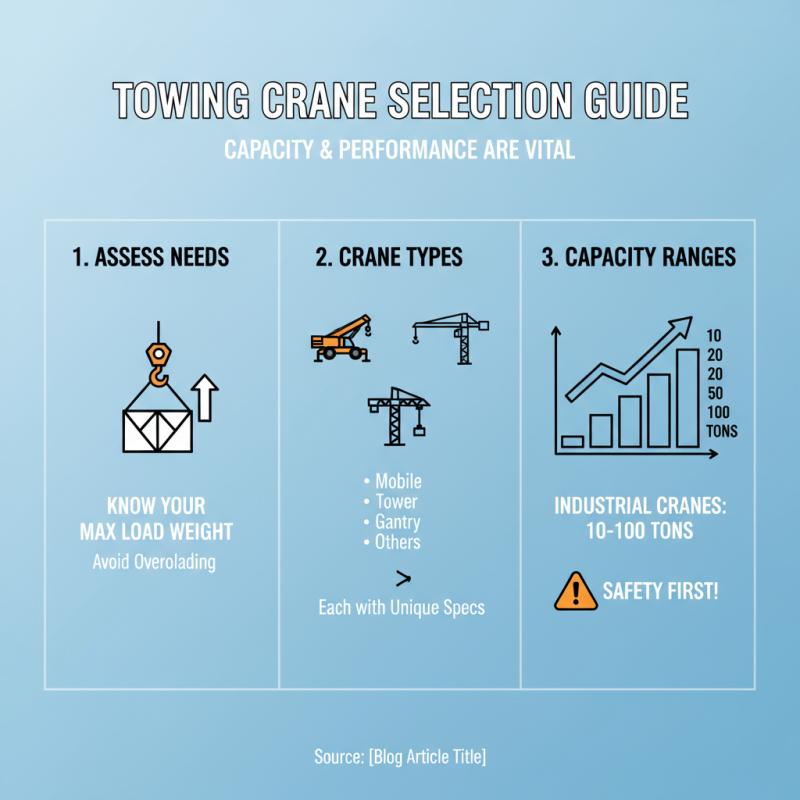
When choosing a towing crane, assessing capacity and performance is vital. Cranes come in various configurations, each with unique specifications. The capacity of a crane typically refers to its maximum load weight. For example, many industrial cranes can lift loads ranging from 10 to 100 tons. Knowing your lifting needs is crucial to avoid overloading, which can lead to safety hazards.
Take time to review the crane’s performance specifications. Pay attention to its reach and lifting speed. Some cranes offer a faster hoisting speed, allowing for more efficient operations. For instance, a crane with a four-ton capacity might lift materials at 20 feet per minute. This speed can impact project timelines significantly. Consider your specific tasks to ensure optimal performance.
**Tips:** Always evaluate the environment where the crane will operate. Tight spaces may require compact models. Also, assess maintenance requirements. A lower maintenance crane might save costs in the long run. Reflect on what you truly need, and don’t rush the decision-making process. The wrong choice can lead to inefficient use or, worse, accidents.
Evaluating Cost and Maintenance Considerations for Towing Cranes
When selecting a towing crane, evaluating costs and maintenance is essential. According to the 2022 Industry Report, maintenance accounts for about 15-20% of the total ownership cost of cranes. Regular inspections and servicing can prevent larger expenses down the line. Ignoring routine checks can lead to unexpected failures and higher repair bills.
Different cranes have varying maintenance needs. For instance, hydraulic cranes often require more extensive upkeep compared to electric models. The 2021 Equipment Maintenance Survey found that hydraulic components can fail without prompt care. Simple tasks, like checking fluid levels, are crucial. Failure to do so can result in serious liabilities and downtime.
Initial costs are only part of the equation. Investing in higher-quality cranes may lead to better long-term savings. Many companies overlook total cost of ownership, focusing only on upfront purchases. In fact, cheaper options can be more expensive over time due to frequent repairs. It's vital to weigh reliability against initial pricing. Don't let short-term costs cloud your judgment; consider the big picture to make an informed choice.