Leave Your Message

How to Effectively Use Shipping Container Stacking Locks for Safety and Efficiency

The efficient use of Shipping Container Stacking Locks is pivotal in modern logistics and supply chain management. As the global shipping industry continues to grow—projected to reach a market value of over $12 trillion by 2025—integrating effective safety measures becomes increasingly important. According to recent studies, improper stacking and securing practices can lead to significant losses, estimated at around $50 billion annually due to cargo damage and accidents. This highlights the necessity for robust solutions that can enhance operational efficiencies while ensuring safety in cargo handling.

Shipping Container Stacking Locks play a critical role in mitigating risks associated with container stacking. These locking mechanisms are designed to secure containers in place during transit and storage, minimizing the risk of toppling and instability. Research indicates that when shipping containers are properly secured, incidents of cargo loss or damage are reduced by up to 80%, emphasizing the importance of investing in these safety devices. As businesses navigate the complexities of a rapidly evolving supply chain landscape, adopting effective strategies for using Shipping Container Stacking Locks can lead to safer operations and increased profitability.

How to Effectively Use Shipping Container Stacking Locks for Safety and Efficiency

Understanding the Purpose of Shipping Container Stacking Locks

How to Effectively Use Shipping Container Stacking Locks for Safety and Efficiency

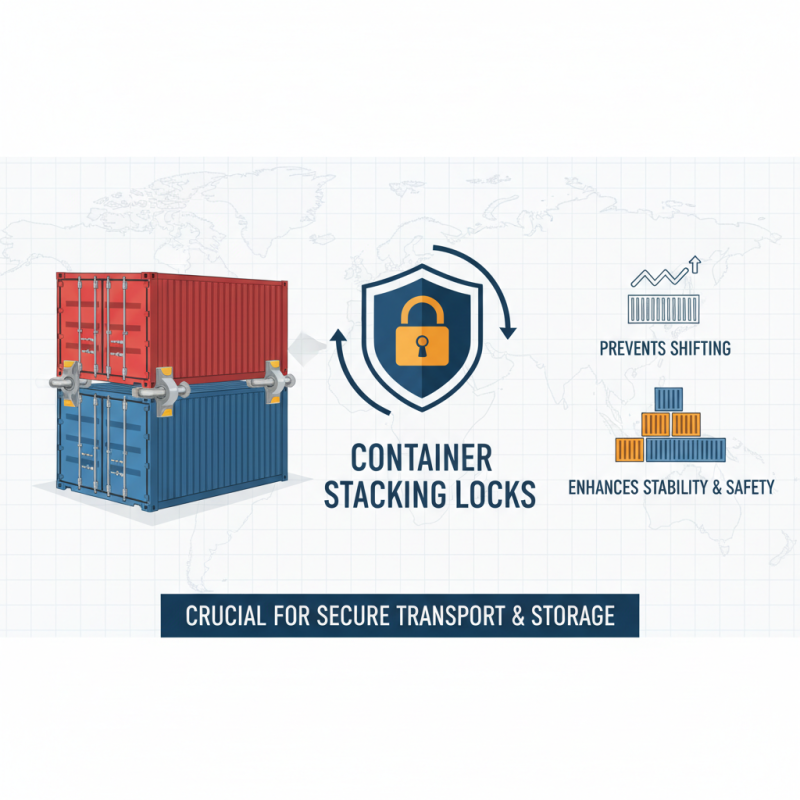
Shipping container stacking locks play a crucial role in ensuring the safety and efficiency of container storage and transportation. These locks are designed to secure containers stacked on top of one another, preventing them from shifting or toppling during transit. By creating a stable structure, stacking locks enhance the overall integrity of container storage, particularly in environments subject to movement, such as during loading, unloading, or inclement weather. Understanding their purpose is fundamental for operators who handle containers regularly, as improper stacking can lead to accidents, loss of cargo, or damage to containers.

In addition to safety, stacking locks also contribute to operational efficiency. By allowing containers to be securely stacked, they maximize storage space in both shipping yards and vessels. This optimal use of space not only increases the load capacity but also reduces transportation costs and time. Moreover, implementing stack locks can streamline the process of loading and unloading, as containers can be handled as unified units. Consequently, understanding and utilizing shipping container stacking locks effectively becomes essential for businesses looking to enhance their logistics and operational practices.

Types of Stacking Locks and Their Applications in Container Shipping

How to Effectively Use Shipping Container Stacking Locks for Safety and Efficiency

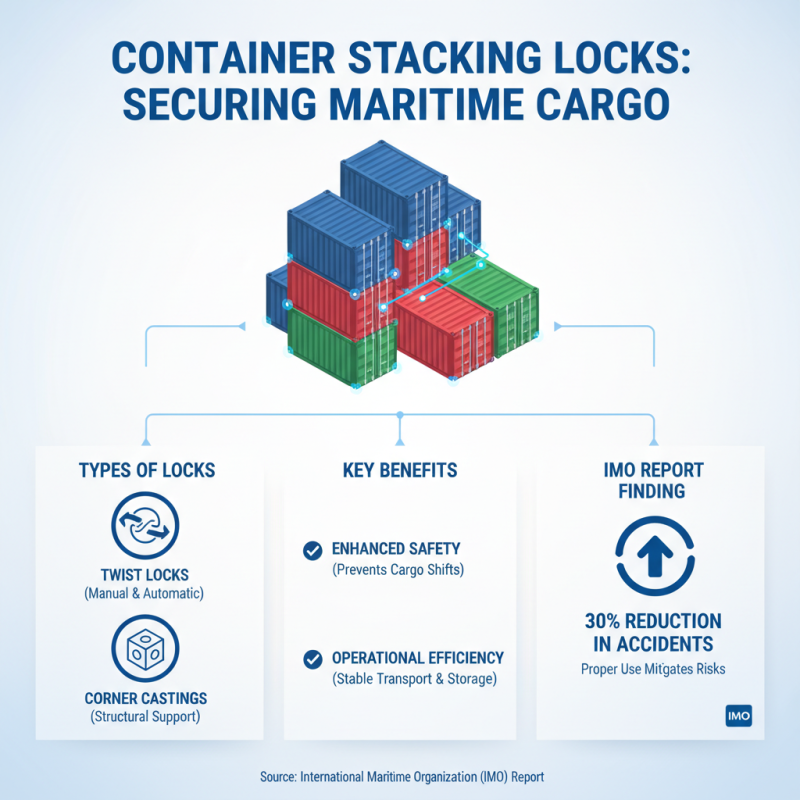
In the realm of container shipping, the effectiveness of stacking locks is pivotal for maintaining safety and operational efficiency. There are several types of stacking locks commonly utilized, each serving distinct purposes in securing containers during transportation and storage. The most prevalent types include twist locks, both manual and automatic, and corner castings which provide structural stability. According to a report from the International Maritime Organization (IMO), proper use of stacking locks can reduce the risk of cargo shifts by up to 30%, significantly mitigating the potential for accidents.

In addition to the fundamental designs, advanced locking systems have emerged, incorporating technology for added safety. For instance, electronic locks can send real-time alerts when containers are tampered with, which is especially critical in high-value shipments. Industry data suggests that implementing such security measures can decrease theft and damage costs by up to 40%.

**Tips:** To enhance safety and efficiency, inspect locking mechanisms regularly for wear and tear. Implementing a protocol for checking and documenting the condition of stacking locks before loading can prevent mishaps. Additionally, training personnel on the correct usage of different types of locks maximizes their benefits, ensuring containers remain secure throughout their journey.

Step-by-Step Guide to Properly Install Stacking Locks

Proper installation of shipping container stacking locks is crucial for maximizing safety and efficiency in storage and transport operations. The first step in the process is to select the correct type of stacking lock suitable for the dimensions and weight of the containers you are using. Ensure that the locks are manufactured from durable materials to withstand the pressure of stacked containers. Once you have the appropriate stacking locks, prepare the containers by cleaning the areas where the locks will be affixed, removing any rust, dirt, or debris that could hinder a secure fit.

Next, position the stacking locks on the designated corners of the shipping containers. It's essential to align the locks according to the manufacturer’s guidelines, ensuring they fit snugly into the frame. Utilize a level to check that the locks are installed evenly to prevent potential shifting during transport. Secure the locks using the provided bolts or screws, tightening them adequately but being cautious not to over-tighten, which could cause damage to the container. After installation, double-check all the locks for stability before stacking additional containers, as this will help to prevent accidents and promote safe handling practices in the long run.

Best Practices for Maintaining Container Stacking Locks

Maintaining container stacking locks is essential for ensuring safety and efficiency in shipping operations. Regular inspections should be conducted to check for any signs of wear or damage. Visual assessments can identify issues such as rust, corrosion, or bending that may compromise the integrity of the locks. Timely maintenance, such as lubrication of moving parts and tightening of bolts, helps ensure that the locks function smoothly and reliably, reducing the risk of accidents during container stacking.

Another best practice is to follow proper loading and unloading procedures. Ensuring that containers are loaded evenly and within weight limits reduces excessive strain on the locks. Training employees on the correct use of stacking locks and the importance of following established protocols is crucial. It fosters a culture of safety and attention to detail, minimizing human error. By creating a routine for checking the stacking locks before and after each use, teams can enhance the overall safety and efficiency of their operations.

Shipping Container Stacking Locks Usage Statistics

Safety Protocols When Using Stacking Locks in Container Operations

When utilizing stacking locks for shipping containers, adherence to safety protocols is paramount to ensure both operational efficiency and worker safety. First and foremost, personnel should be trained regularly on the correct installation and removal procedures for stacking locks. Improper handling can lead to accidents or damage to the containers. Always inspect locks before use; any signs of corrosion or wear should prompt immediate replacement.

Tips for safe stacking include ensuring that containers are positioned on stable surfaces and evenly loaded to prevent tipping. When stacking multiple containers, use a systematic approach: verify that each lock engages correctly before proceeding to stack additional units. This process not only enhances safety but also boosts operational efficiency by minimizing the risk of failure during transport.

Additionally, maintain clear communication among team members during the stacking process. Establish visual signals or use walkie-talkies to coordinate movements and ensure everyone is aware of the stack configuration. Regularly review safety checklists and procedures to reinforce a culture of safety in container operations. By prioritizing these protocols, teams can effectively harness the benefits of stacking locks while minimizing risks on site.

How to Effectively Use Shipping Container Stacking Locks for Safety and Efficiency

Aspect Details
Purpose Enhance stability and safety of stacked containers
Main Types of Stacking Locks Top locks, Bottom locks, Corner locks
Installation Requirements Professional installation recommended, Ensure structural integrity
Maintenance Tips Regular inspections, Lubrication of moving parts, Replacement of worn locks
Safety Protocols Use safety gear, Use correct lifting techniques, Ensure proper training for workers
Common Issues Misalignment, Rust and corrosion, Obstruction during operation
Benefits Increased load capacity, Reduced risk of accidents, Improved efficiency in operations