How to Choose the Best Anchor Winch in 2026?
Choosing the best Anchor Winch in 2026 requires more than comparing pull ratings and stainless-steel finishes. Real anchoring depends on boat weight, rode length, seabed type, current, wind, and battery capacity.
The National Marine Manufacturers Association reported approximately 11.6 million registered recreational boats in the United States in its 2023 Recreational Boating Statistical Abstract. That large fleet reflects continued demand for dependable anchoring equipment. However, market growth does not make every winch suitable for every boat. A compact bow roller may need a vertical windlass, while a fishing boat often benefits from a horizontal design with easier rode access.
Nigel Calder, author of Boatowner’s Mechanical and Electrical Manual, offers an important warning: “The windlass is not designed to pull the boat to the anchor.” That principle should guide every buying decision. The motor retrieves the rode; the vessel should move carefully toward the anchor under its own power.
Look closely at rated pull, working load, chain size, rope compatibility, duty cycle, and manual-release control. A unit that lifts a heavy anchor once may still overheat during repeated tidal adjustments. ABYC guidance and manufacturer installation instructions also deserve attention, especially for circuit protection and deck reinforcement.
The honest answer is rarely the most powerful model. Sometimes, it is the quieter winch with better service access. I would still measure twice before ordering. A few millimeters can affect chain fit, alignment, and safe deployment. This guide compares the practical details that matter on the water, not merely impressive numbers on a product page.

What Is an Anchor Winch and How Does It Work?
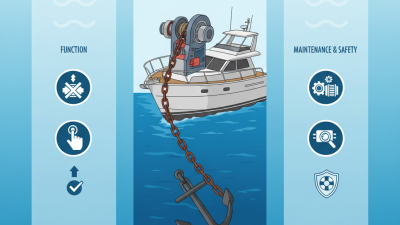
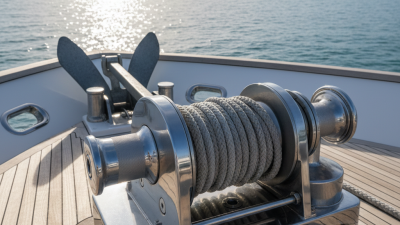
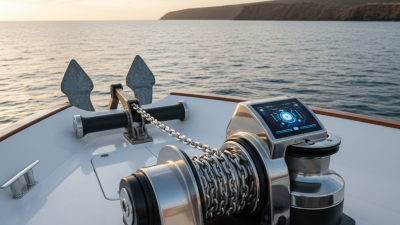
An anchor winch is an electric or manual device that lowers, holds, and retrieves a boat anchor. It usually includes a motor, drum, clutch, brake, control switch, and anchor roller. The drum stores rope, chain, or both. When you press the down control, the motor releases the rode and gravity lowers the anchor. Pressing up reverses the motor and winds the rode back onto the drum.
The brake carries the holding load when the boat settles over the anchor. That detail matters. The motor should not remain under constant strain. A properly sized winch matches the boat’s weight, anchor size, rode length, and battery capacity. In practical checks, I inspect the wiring, mounting bolts, and emergency release before testing the system. Salt crystals around a terminal can create resistance and slow retrieval. The rope may also pile unevenly, causing sudden jams. I once underestimated the effect of a steep seabed; the winch worked, but the anchor came up slowly and unevenly. That experience changed my selection process. I now allow extra pulling capacity rather than choosing a unit near its advertised limit. Still, more power is not always better. A heavy motor can increase battery demand and stress the bow structure. Manual recovery should remain possible if the switch, fuse, or motor fails. Controls should be reachable, and moving parts need guarded handling. A quiet test in shallow water reveals problems before deeper anchoring.
Which Anchor Winch Type Fits Your Boat?
How to Choose the Best Anchor Winch in 2026?
Which Anchor Winch Type Fits Your Boat?
Choosing an anchor winch starts with your boat, not the advertised pulling force. The NMMA’s 2024 U.S. Recreational Boating Statistical Abstract recorded about 11.6 million registered recreational boats in the United States. That variety matters. A compact fishing boat may suit a manual or horizontal drum winch. It needs simple deployment and low battery demand. A heavier cruiser usually benefits from a vertical windlass, especially with a bow roller and permanent chain.
For shallow lakes, a shallow-water anchor system can hold position quickly without dragging a traditional anchor. It works well for anglers who move often. However, it may be unsuitable for deep water or rocky bottoms. Electric drum winches offer convenient retrieval, but check their rated load, rope length, and duty cycle. A small battery can weaken after repeated lifts. It happens more often than brochures suggest. Recreational boating technicians commonly recommend matching the winch to the anchor, chain, rode, and boat weight, rather than selecting a motor alone.
Measure the mounting space before buying. Confirm the bow angle, deck thickness, wiring route, and manual-release access. The U.S. Coast Guard’s 2023 Recreational Boating Statistics reported 3,844 accidents and 556 deaths, reinforcing the value of secure anchoring and reliable control. I would also choose a sealed control and corrosion-resistant fittings for saltwater. Yet no winch replaces proper scope, inspection, or seamanship. That is the part many buyers underestimate.
How to Choose the Best Anchor Winch in 2026?
Which anchor winch type fits your boat?
The chart compares representative working-load ranges commonly found in marine anchor-winch specifications. Manual winches suit smaller boats and occasional anchoring, while electric drum winches, vertical windlasses, and capstans are better for larger boats or frequent anchoring. Final selection should also consider anchor weight, chain diameter, rode length, deck layout, battery capacity, and the winch's rated pull.
How to Match Winch Capacity to Anchor and Boat Size
How to Choose the Best Anchor Winch in 2026?
How to Match Winch Capacity to Anchor and Boat Size
Winch capacity should follow the complete anchoring load, not the anchor’s listed weight alone. Measure the anchor, chain, rope, shackles, and expected seabed resistance. A 20-pound anchor can demand much more force when buried in thick mud. Boat size also matters because wind and current push the hull backward. A longer boat usually creates greater resistance.
As a practical guide, choose a winch with a working capacity several times higher than the combined anchor and rode weight. Many experienced boaters allow a two-to-one or three-to-one margin for routine retrieval. Larger boats, strong currents, and rocky bottoms may require more reserve. Check the winch’s working load, not only its maximum pull rating. Maximum ratings often describe brief tests, not repeated use.
Leave room for error.
I once underestimated chain weight on a small fishing boat. The winch lifted the anchor, but the motor sounded strained near the bow roller. That experience changed my selection method. I now check the full rode length, battery condition, wiring size, and mounting strength before choosing capacity. A winch that fits the anchor may still be unsuitable for the boat’s electrical system. Manual recovery should remain possible if power fails. Also, confirm that the winch suits the anchor locker and keeps the rode feeding evenly. A slightly larger unit can improve reliability, but excessive capacity may add unnecessary weight and cost. 马会
How to Compare Installation, Power Use, and Overall Value
How to Choose the Best Anchor Winch in 2026?
Choosing an anchor winch starts with installation, not advertised pulling power. Measure the bow space carefully, including hatch clearance and cable movement. A compact winch may fit neatly, but poor access can make routine servicing frustrating. Check the mounting surface, fastener positions, and drainage path before drilling. My own mistake was ignoring the anchor roller angle. The chain later rubbed against the housing.
Power use deserves equal attention. Compare the winch’s working current, peak demand, and recommended battery capacity. A higher-rated motor can retrieve heavy ground faster, but it may drain a small battery quickly. Measure cable length and voltage drop, especially on longer boats. Use correctly sized wiring and suitable circuit protection. Keep connections sealed and inspect them after saltwater trips. Small losses become expensive over time.
Overall value includes reliability, maintenance, and actual retrieval conditions. Consider anchor weight, chain length, seabed type, and how often you anchor. A winch used weekly needs stronger corrosion resistance than one used occasionally. Look for clear service access and replaceable wear parts. Do not judge value by purchase price alone. The cheapest installation may require extra wiring, brackets, or professional labor. I would also leave a safety margin in the load rating. Still, too much capacity can mean unnecessary weight, cost, and battery use. Check the manual before deciding.