Why Side Loader Cranes Are Essential for Efficient Material Handling
In today's fast-paced industrial environment, the efficiency of material handling processes can significantly impact operational productivity. One of the key players in enhancing these processes is the Side Loader Crane. Known for its unique design that allows for the horizontal loading and unloading of materials, this type of crane is indispensable in various sectors including logistics, warehousing, and manufacturing.
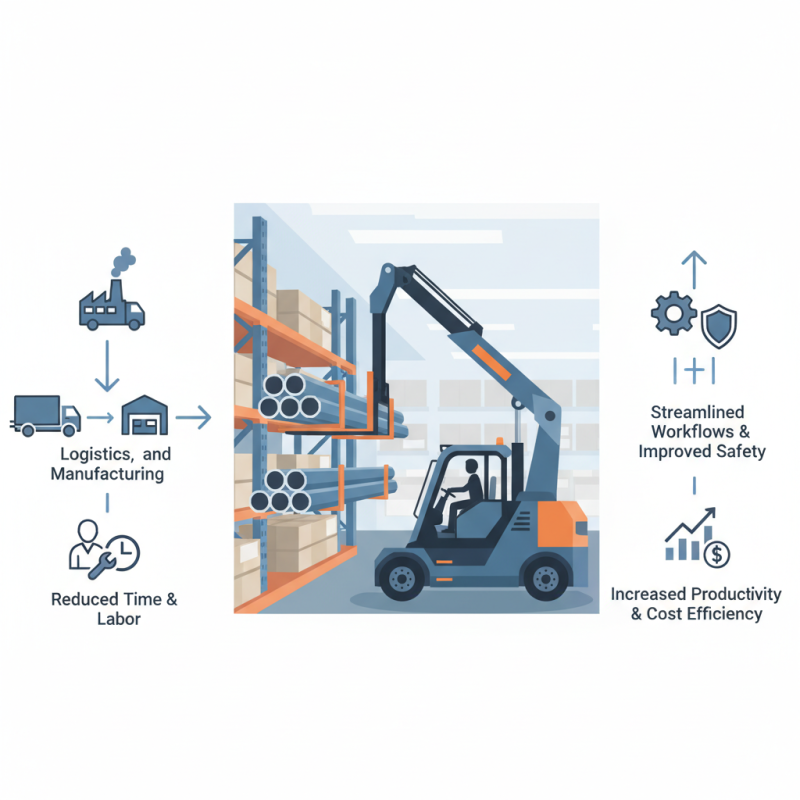
The Side Loader Crane excels in maneuverability, enabling operators to efficiently navigate narrow aisles and tight spaces with ease. Its ability to lift and transport heavy loads, particularly long and bulky items, without requiring additional equipment makes it a versatile solution for many businesses. By reducing the time and labor needed for material transport, the Side Loader Crane contributes to streamlined workflows and improved safety on job sites.
As industries continue to demand higher efficiency levels, the use of Side Loader Cranes will become increasingly vital. Organizations that invest in these cranes are likely to see significant enhancements in their material handling processes, ensuring they remain competitive in an ever-evolving market.
The Role of Side Loader Cranes in Material Handling Operations
The Role of Side Loader Cranes in Material Handling Operations
Side loader cranes play a crucial role in enhancing the efficiency of material handling operations, particularly in environments where space is limited and operational flexibility is required. According to industry reports, implementing side loader cranes can improve loading and unloading times by as much as 30%, allowing businesses to increase throughput without the need for expanding physical space. These cranes are designed to handle heavy and bulky materials, positioning them as indispensable equipment in warehouse, construction, and manufacturing settings.
Furthermore, the versatility of side loader cranes not only facilitates the movement of materials but also minimizes the risk of damage during transportation. Their unique design enables operators to safely maneuver goods through narrow aisles, which is particularly beneficial in congested warehouses. A study by the Material Handling Industry of America (MHIA) noted that businesses utilizing side loader cranes experienced a 20% reduction in product damage, translating to substantial cost savings over time.
Tips: To maximize the benefits of side loader cranes, regular maintenance and operator training are paramount. Ensure that all operators are thoroughly trained to utilize the crane's features effectively, focusing on load stability and safety protocols. Additionally, consider conducting routine evaluations of your material handling processes to identify areas where side loaders could be integrated for improved efficiency.
Advantages of Side Loader Cranes Over Traditional Cranes
Side loader cranes present several advantages over traditional cranes, particularly when it comes to handling materials efficiently. One of the most significant benefits is their design, which allows for loading and unloading from the side rather than the front. This feature enables operators to maneuver in tighter spaces and navigate around obstacles that would impede a conventional crane's operation. As a result, side loader cranes can maximize the utilization of space in warehouses and construction sites, enhancing overall operational efficiency.
Another advantage is the capacity of side loader cranes to handle long and bulky materials with ease. Their unique configuration supports wider loads, making them particularly useful for industries that deal with pipes, lumber, or metal sheets. This capability not only streamlines the loading and unloading process but also reduces the risk of damage to the materials. Additionally, side loader cranes often have a lower height profile, allowing them to work in environments with height restrictions without compromising functionality or safety. Ultimately, these attributes make side loader cranes a preferred choice for many businesses looking to improve their material handling processes.
Advantages of Side Loader Cranes Over Traditional Cranes
Key Features That Enhance Efficiency in Side Loader Cranes
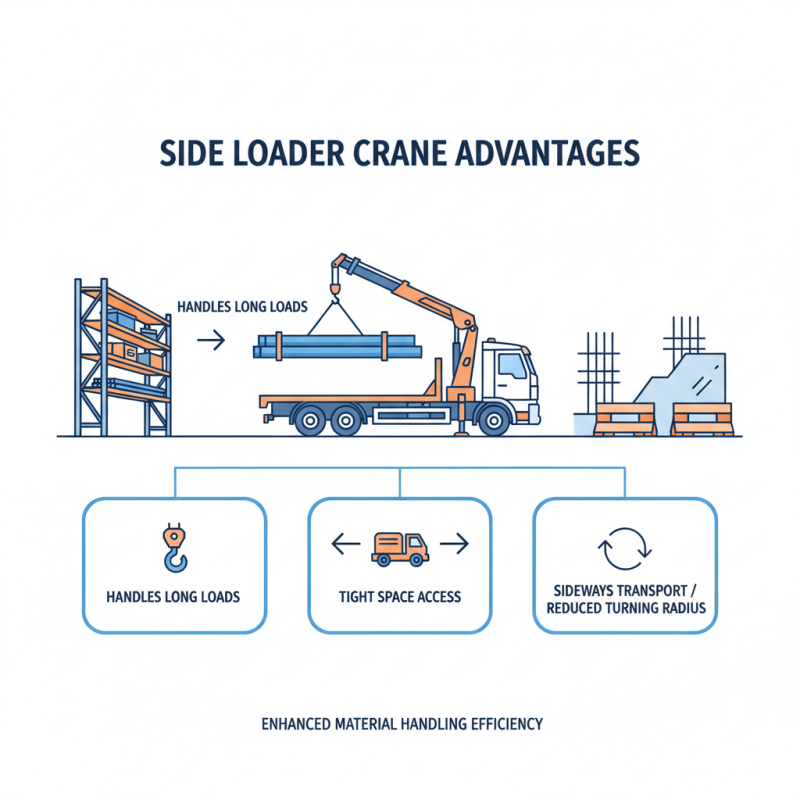
Side loader cranes are specifically designed to enhance the efficiency of material handling in various industries, primarily due to their unique features. One of the most significant attributes of side loader cranes is their ability to handle long and bulky loads while simultaneously ensuring easy access to tight spaces. The strategic design allows these cranes to transport goods sideways, effectively minimizing the need for a larger turning radius, which is essential in warehouses and construction sites where space can be limited.
Another key feature that contributes to the efficiency of side loader cranes is their superior lifting capacity and stability. Equipped with powerful hydraulic systems, these cranes can lift substantial weights without compromising safety. The low center of gravity further enhances their stability, ensuring that loads are transported smoothly and securely. This aspect is particularly advantageous in operations where precision is critical.
**Tips for Optimal Usage**: To maximize the efficiency of side loader cranes, operators should conduct regular maintenance checks to ensure that all components are functioning correctly. Additionally, training staff on the best practices for loading and unloading materials can reduce operational delays and increase safety. Implementing a systematic approach to load management will also help streamline the material handling process, making it more effective in the long run.
Applications of Side Loader Cranes in Various Industries
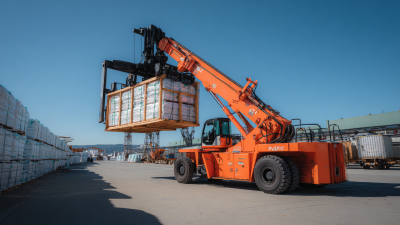
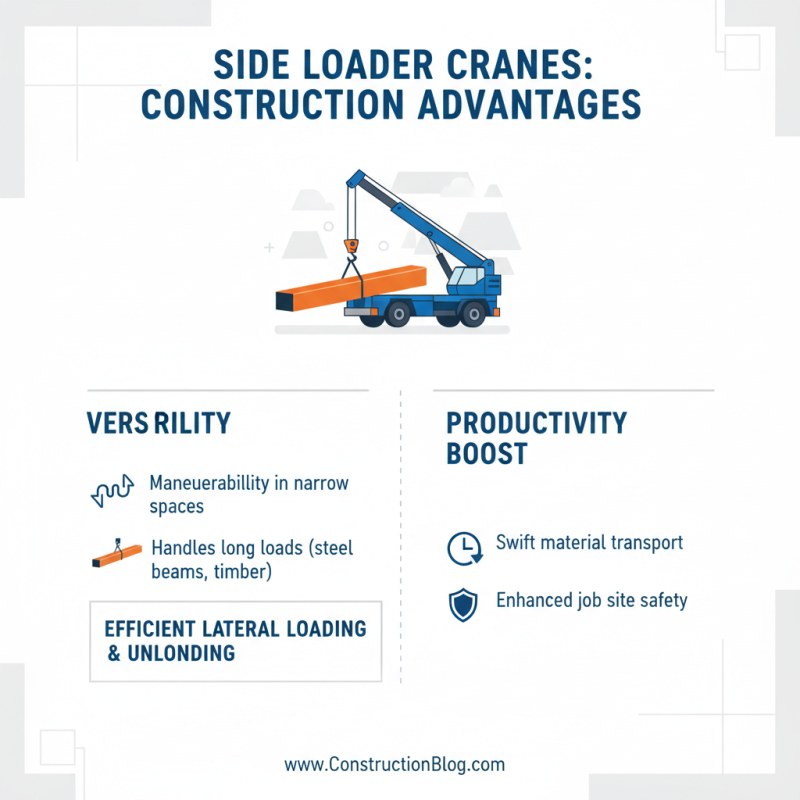
Side loader cranes are highly versatile pieces of equipment utilized across various industries for material handling tasks. In the construction sector, these cranes excel at maneuvering long loads through narrow spaces, making them indispensable for transporting materials such as steel beams and timber. Their unique design allows for efficient lateral loading and unloading, ensuring that heavy items can be moved safely and swiftly, which enhances overall productivity on job sites.
In the logistics and warehousing industry, side loader cranes play a crucial role in managing heavy cargo. They are particularly effective in environments where space is limited, as their sideways loading capability allows for the efficient use of warehouse layouts while minimizing the need for extensive floor space. This is especially beneficial in facilities handling bulky items, such as pipes, pallets, and large machinery. The ability to stack and organize goods without disrupting adjacent items further streamlines operations, contributing to a smoother workflow and faster order fulfillment.
Factors to Consider When Choosing a Side Loader Crane
When choosing a side loader crane, several key factors should be carefully considered to ensure optimal performance in material handling. Firstly, the load capacity is crucial; it's essential to select a crane that can accommodate the specific weights and dimensions of the materials it will handle. This not only maximizes efficiency but also enhances safety during operations. Evaluating the work environment is equally important; factors such as space constraints and surface conditions can influence the suitability of a particular model. For instance, a crane that excels in tight areas may not perform well on uneven ground.
Another vital consideration is the operational speed of the crane. Time efficiency can significantly impact logistics and productivity; therefore, it's important to choose a model that offers the right balance between speed and control. Additionally, examining hydraulic systems and lifting mechanisms is essential, as these components directly affect the crane's reliability and ease of use. Maintenance requirements and the availability of service support should also be evaluated, as they can influence the long-term viability of the equipment. Overall, thorough research and consideration of these factors will lead to the selection of an effective side loader crane tailored to specific material handling needs.
Why Side Loader Cranes Are Essential for Efficient Material Handling - Factors to Consider When Choosing a Side Loader Crane
| Feature |
Description |
Importance |
| Load Capacity |
The maximum weight the crane can lift. |
Critical for ensuring it meets operational needs. |
| Maneuverability |
The ease of movement in tight spaces. |
Important for site efficiency and safety. |
| Height Reach |
The maximum height the crane can extend. |
Essential for operations requiring vertical lifting. |
| Stability |
The ability to maintain balance under load. |
Critical for safety and preventing accidents. |
| Power Source |
Electric, diesel, or hybrid options available. |
Affects operating costs and environmental impact. |
| Control System |
Type of controls (manual vs. remote). |
Influences operator efficiency and comfort. |
| Maintenance Requirements |
Frequency and type of maintenance needed. |
Impacts downtime and overall costs. |
| Cost |
Initial purchase price and operating costs. |
Determines budget and financial feasibility. |