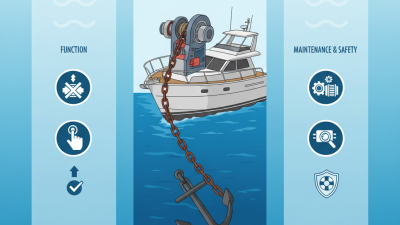
Essential Tips for Choosing the Best Boat Anchor Winch?
Choosing the right Boat Anchor Winch is crucial for every boat owner. A quality winch can significantly enhance your experience on the water. However, with countless options available, it can feel overwhelming.
It's important to consider your specific needs. Think about the types of waters you will navigate. The weight and size of your boat are also key factors. Many boaters underestimate these aspects, leading to frustrating situations.
Research is essential when selecting a Boat Anchor Winch. Look for trusted brands and customer reviews. A reliable winch can save you time and effort when anchoring. It also ensures safety during your boating adventures. Remember, not all winches are equal, and the cost might not reflect quality. Reflecting on these points will guide you to making an informed and wise decision.
Understanding Different Types of Boat Anchor Winches Available
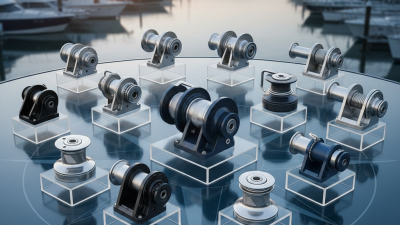
Choosing the right boat anchor winch can be overwhelming. Many types of winches exist, and each serves a unique purpose. Electric winches, for instance, are popular for their ease of use. They can pull heavy anchors with little effort. However, they require a reliable power source and maintenance.
Manual winches provide an alternative for those who prefer a hands-on approach. They allow for better control over the anchor's positioning. On the downside, they can be labor-intensive, especially in challenging conditions. Consider the winch's capacity and the size of your boat. A winch with too low a capacity can lead to failure and frustration.
Hydraulic winches stand out for their power and efficiency. They perform well in demanding environments. Yet, these systems can be costly and complex. Maintenance knowledge is essential for hydraulic winches. Lastly, ensure the winch fits your boat's design and layout. A poorly mounted winch may not function correctly and can create safety hazards.
Essential Tips for Choosing the Best Boat Anchor Winch
This chart illustrates the popularity of different types of boat anchor winches, providing insight for boat owners looking to make informed decisions. Electric winches are currently the most popular option, followed by horizontal windlass options. Understanding these types can help you choose the best fit for your boating needs.
Key Factors to Consider When Selecting an Anchor Winch
Selecting the right anchor winch requires careful consideration. Begin by evaluating the weight and size of your boat. A winch that is too weak may struggle under heavy loads. Conversely, an oversized winch can add unnecessary weight. Check the manufacturer's specifications. This will guide you in choosing a suitable model.
Another important factor is power source. Electric winches are efficient but require a reliable battery. Manual winches are less complicated but demand physical effort. Think about how often you'll need to use the winch. Frequent use might justify an electric option, while occasional outings could make a manual winch practical.
Consider the installation process as well. Some models are easier to install than others. Complex installations can lead to mistakes is frustrating. Read user reviews to understand real-world experiences. Sometimes the best choice is not the most popular one. Addressing these factors ensures you make a sound investment.
Essential Tips for Choosing the Best Boat Anchor Winch
| Factor |
Description |
Recommendation |
| Type of Winch |
Consider whether you prefer an electric or manual winch based on your needs and budget. |
Electric winches are recommended for ease of use, particularly for larger boats. |
| Weight Capacity |
Ensure the winch can handle the weight of your boat and anchor setup. |
Choose a winch with at least 2-3 times the weight capacity of your loaded boat. |
| Power Source |
Evaluate the power source options available, such as battery-operated vs. hardwired. |
Battery-operated models are more versatile for smaller vessels. |
| Gear Ratio |
Higher gear ratios can reduce the strain on the motor. |
Look for a gear ratio of at least 4:1 for effective lifting. |
| Ease of Installation |
Consider how straightforward it is to install the winch on your boat. |
Select winches that come with clear installation instructions and all necessary accessories. |
| Durability |
Assess the build quality and materials used in the winch. |
Opt for stainless steel or fiberglass materials for enhanced longevity. |
| Warranty |
Check the warranty period offered by the manufacturer. |
A warranty of at least two years is preferable for peace of mind. |
Assessing the Weight and Size of Your Boat for Winch Compatibility
When selecting a boat anchor winch, the compatibility with your boat’s size and weight is crucial. A boat that weighs 2,000 pounds typically requires a winch with a pulling capacity of at least 400 to 600 pounds. Industry reports suggest that around 70% of boaters underestimate their boat's weight, which can lead to poor winch performance. Knowing the exact specifications of your vessel can prevent disappointing outcomes when anchoring.
Assess the size of your boat to choose an adequate winch. For instance, a 20-foot boat often works well with a winch that has a drum size of six inches. The winch needs to accommodate the anchor line diameter too, typically recommended to be between 1/4 inch and 3/8 inch for most setups. It's important to remember that improper sizing could cause mechanical failures.
Tips to consider: Research the angle at which your boat sits when anchored. A steep angle might require a stronger winch. Also, think about the maximum depth and current conditions where you will be using the winch. These factors can significantly influence winch performance and durability. Reflect on past experiences to guide future choices—it often pays to ask fellow boaters about their successes and pitfalls.
Evaluating Material Quality and Durability of Winch Components
When choosing a boat anchor winch, material quality plays a crucial role. It significantly impacts durability and long-term performance. Key components should be crafted from corrosion-resistant materials. This includes stainless steel and high-grade aluminum. A report by the Marine Design Group highlights that boats operating in saltwater can suffer rapid degradation of low-quality materials.
Another aspect worth considering is the load capacity of the winch. Research indicates that improperly selected winches can fail under weight pressure. Using an insufficient winch may lead to accidents. Data from the Boat Owners Association points out that 40% of boat accidents involve issues related to anchoring. Choosing a sturdy, reliable winch can mitigate these risks.
While many manufacturers boast about strength and reliability, not all can back up their claims with solid proof. Buyers should seek industry certifications and independent test reports. Understanding the materials used in winch construction helps in making informed decisions. Recognizing potential failures, such as weak gears or inappropriate seals, is critical. Investing in high-quality components pays off in safety and efficiency.
Installation and Maintenance Tips for Boat Anchor Winches
Maintaining a boat anchor winch is crucial for safety and performance.
Regularly check the mechanical components for wear and corrosion. Inspect the winch’s motor and wires. Keep connections clean.
This practice prolongs the winch's lifespan and ensures reliability.
Installation requires careful attention. Position the winch securely on a flat surface.
Use proper mounting hardware to prevent future accidents. Misalignment can lead to operational issues.
Pay attention to the wiring setup; incorrect installation may lead to short circuits.
Refer to guidelines specific to your model for the best results.
Cleaning is vital. Use fresh water after each outing.
Saltwater can cause severe damage. Apply a marine-grade lubricant to moving parts. This protects against rust and ensures smooth operation.
Regular inspections can catch early signs of damage. Don't underestimate the importance of a well-functioning winch;
it can make or break your anchoring experience.