Leave Your Message

China Top 10 Genuine Parts Suppliers?

China has become a major source of automotive components, serving vehicle manufacturers, distributors, and repair networks worldwide. Yet finding reliable Genuine Parts suppliers requires more than comparing factory prices. Product quality, documentation, traceability, and after-sales support can vary considerably.

This guide introduces ten respected Chinese suppliers associated with Genuine Parts and dependable replacement components. Each company should be assessed through practical evidence, including production experience, certification records, catalog accuracy, packaging details, and export performance. Clear part numbers matter. So does consistent fitment.

The review also considers manufacturing capability, warehouse systems, quality-control procedures, and customer feedback. Some suppliers serve specific vehicle brands, while others specialize in engines, braking systems, electrical components, or body parts. Their strengths are not identical.

Verification remains essential.

A polished website does not prove technical reliability. Buyers should request samples, confirm original-equipment references, and examine warranty terms before placing large orders. Independent inspections may also reveal labeling errors or inconsistent batches. These issues are easy to overlook.

This ranking is a practical starting point, not an absolute judgment. Supplier performance can change with management, materials, and market conditions. Some available information may also be incomplete or self-reported. That limitation deserves attention.

By comparing measurable capabilities and real purchasing risks, readers can make more informed sourcing decisions. The goal is not to promote the cheapest option. It is to identify suppliers that combine engineering competence, transparent communication, and dependable delivery.
China Top 10 Genuine Parts Suppliers?

What Genuine Parts Are and Why They Matter in China

China Top 10 Genuine Parts Suppliers?

What Genuine Parts Are and Why They Matter in China

Genuine parts are components produced or approved for a specific vehicle, machine, or equipment system. They match the original design, material requirements, and testing standards. In China, buyers often source them through authorized distributors, certified wholesalers, or manufacturers with traceable supply records.

A genuine part should have clear packaging, a batch number, and consistent documentation. The part should also match the equipment manual and technical specifications. For example, a maintenance team may check a filter’s dimensions, sealing surface, material, and production code before installation. These small details can prevent leakage, overheating, or repeated repairs.

Reliability starts with evidence.

Experienced buyers do not judge suppliers by price alone. They review factory qualifications, inspection reports, warranty terms, delivery records, and after-sales support. A dependable supplier should answer technical questions clearly and provide photos from the warehouse. Product traceability matters when several shipments look almost identical.

No supplier is perfect. Packaging may arrive scratched, or a document may need correction. That does not automatically prove the part is false. However, unclear records, changing specifications, and pressure to skip verification deserve careful attention. In practice, a second inspection is sometimes necessary, especially for safety-related components. Genuine parts cost more in some cases, but poor compatibility can create higher downtime and maintenance costs.
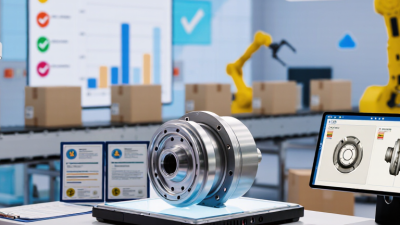

How China’s Top 10 Genuine Parts Suppliers Are Selected

China’s Top 10 Genuine Parts Suppliers

Selecting China’s top ten genuine parts suppliers requires more than comparing prices or factory size. The process begins with verified production experience, stable quality records, and clear product traceability. We examine business licenses, manufacturing capacity, inspection procedures, and supplier references. Factory visits also matter. A clean assembly line, calibrated testing equipment, and organized storage reveal practical discipline.

Technical evidence carries greater weight than marketing claims. Each supplier should provide material specifications, dimensional reports, batch records, and suitable warranty terms. We also assess whether engineers can explain fitment, operating limits, and common failure points. Reliable suppliers maintain consistent stock and respond with useful documentation, not vague promises. Delivery history is reviewed across several orders, because one successful shipment proves very little.

No audit is perfect. Some records may be incomplete, and production conditions can change after evaluation. That weakness must remain visible. We therefore combine document checks, sample testing, customer feedback, and follow-up inspections. A supplier may rank highly for manufacturing strength but lose points for slow communication or limited after-sales support. The final selection reflects evidence over reputation, while allowing room for professional judgment and later correction.

Profiles of China’s Top 10 Genuine Parts Suppliers

China’s top 10 genuine parts suppliers are best assessed through evidence, not loud rankings. Leading suppliers usually specialize in engine components, braking systems, suspension parts, electrical assemblies, filtration, cooling systems, steering parts, body hardware, drivetrain components, and commercial-vehicle equipment. Their profiles should show factory experience, engineering staff, stable production lines, and documented quality controls. Some suppliers serve large vehicle manufacturers, while others focus on repair networks and export markets.

A reliable supplier can provide batch numbers, inspection records, material details, and clear packaging photographs. Certifications matter, but they do not replace practical verification. Ask about dimensional testing, corrosion checks, and failure analysis. Samples should match the approved drawing before larger orders begin. Delivery performance also deserves attention. A low quotation means little if cartons arrive damaged or specifications change without notice. I have seen promising catalogs hide inconsistent connector sizes. That mistake is costly.

Tips: Request a recent sample, inspection report, and production video. Confirm whether the part is original, licensed, or aftermarket. Check warehouse labeling and traceability. Discuss warranty handling in writing. Do not rely only on online reviews. A factory visit or independent inspection can reveal basic issues, including poor storage, mixed batches, and unclear quality responsibilities. Even experienced buyers can miss these details. Supplier profiles should be reviewed again when materials, tooling, or export destinations change.

Product Categories, Quality Standards, and Certification

China’s top 10 genuine parts suppliers should be assessed beyond production volume. The China Association of Automobile Manufacturers reported 31.28 million vehicles produced in 2024. This scale demands stable supply, traceability, and repeatable quality. Strong suppliers usually operate under IATF 16949 and ISO 9001 systems. They should also provide batch codes, material certificates, inspection records, and controlled packaging. Product categories may include braking systems, suspension parts, electrical components, filters, sensors, and engine service parts.

Certification needs practical verification. IATF 16949 focuses on defect prevention, process control, and customer-specific requirements. ISO 14001 supports environmental management, while ISO 45001 addresses workplace safety. For electronic parts, AEC-Q testing can indicate resistance to temperature, vibration, and electrical stress. The ISO Survey 2023 recorded more than one million ISO 9001 certificates in China, but certification alone does not prove genuine parts quality. Audits, sample testing, and factory evidence still matter. This is where many purchasing teams remain too optimistic.

Tips: Request recent certificates, not scanned historical copies. Match the certificate name with the manufacturing address. Review failure rates for at least twelve months. Test random samples before large orders. Ask whether serial numbers can be traced to raw materials. A supplier may pass an audit yet deliver inconsistent batches. That uncomfortable possibility deserves attention. Supplier rankings should therefore combine certification, category expertise, warranty data, laboratory capability, and transparent corrective-action records.

How to Compare and Choose a Reliable Chinese Supplier

China Top 10 Genuine Parts Suppliers? How to Compare and Choose a Reliable Chinese Supplier

Choosing a Chinese genuine-parts supplier requires more than comparing unit prices. Check production records, material certificates, and traceability codes. A reliable factory should explain where each batch begins and ends. Request sample reports, not polished promises. IATF 16949 or ISO 9001 certification supports process control, but certification alone proves little. Audit the certificate number, issuing body, scope, and expiry date. The 2023 World Bank Logistics Performance Index gave China a score of 3.7 out of 5, ranking it 19th among 139 economies. Logistics are strong, but regional delivery performance can still differ sharply.

Compare suppliers through a weighted scorecard. Give quality 35%, delivery 25%, engineering support 20%, and cost 20%. Ask for the last twelve months of on-time delivery data. A supplier reporting 98% should provide purchase-order evidence. Test dimensional accuracy, surface finish, packaging strength, and performance under expected temperature changes. Review PPAP files when automotive applications require them. Also inspect a live production line, not only a showroom. Small details matter: labeled bins, sealed cartons, calibrated gauges, and clean inspection tables. I would not rely on one successful sample; that is a common mistake. Repeat testing across different batches. Leave room for doubt, because even a capable supplier may struggle after a material change, staff turnover, or sudden order increase.

China Top 10 Genuine Parts Suppliers? - How to Compare and Choose a Reliable Chinese Supplier

The table below compares ten anonymous supplier profiles using practical purchasing criteria. All certificates, test reports, OE references, and transaction records should be independently verified before placing an order.

Rank Anonymous Supplier Profile Primary Product Coverage OE / Cross-Reference Evidence IATF 16949 ISO 9001 Typical MOQ Sample Lead Time Production Lead Time Warranty Benchmark Pre-Shipment Inspection Recommended Buyer Fit
1 Profile A — OE-Focused Manufacturer Engine and transmission components Required for every part number Required Required 50–100 pcs 7–15 days 30–45 days 12–24 months 100% or AQL-based Fleet and aftermarket distributors
2 Profile B — Braking Systems Specialist Brake pads, discs, calipers, and hydraulic parts Part-number mapping and test data Required Required 100–300 sets 5–12 days 25–40 days 12 months Batch inspection Importers requiring consistent friction performance
3 Profile C — Suspension and Steering Specialist Control arms, ball joints, tie rods, and shock absorbers Dimensional and application records Required Required 100–500 pcs 7–14 days 30–50 days 12–18 months AQL 1.5–2.5 Independent workshops and wholesalers
4 Profile D — Electrical Parts Manufacturer Starters, alternators, sensors, and ignition components Electrical test report and cross-reference list Required Required 50–200 pcs 7–18 days 30–45 days 12 months Functional testing recommended Commercial vehicle and repair networks
5 Profile E — Filtration Specialist Oil, air, fuel, and cabin filters Filter media specifications and fitment data Preferred Required 300–1,000 pcs 5–10 days 20–35 days 6–12 months Sampling plan inspection High-volume distributors
6 Profile F — Cooling System Specialist Radiators, water pumps, thermostats, and cooling fans Pressure, leakage, and fitment tests Required Required 100–500 pcs 10–18 days 30–50 days 12 months Pressure testing advised Parts importers serving warm climates
7 Profile G — Rubber and Sealing Specialist Gaskets, seals, hoses, and suspension bushings Material composition and hardness data Preferred Required 500–2,000 pcs 10–20 days 25–45 days 6–12 months Material and visual inspection Private-label and custom applications
8 Profile H — Body and Lighting Parts Supplier Lamps, mirrors, grilles, bumpers, and body panels Fitment, coating, and lighting test records Preferred Required 50–300 pcs 10–20 days 35–60 days 6–12 months Visual and dimensional inspection Collision repair and body-part wholesalers
9 Profile I — Commercial Vehicle Parts Supplier Heavy-duty suspension, braking, and drivetrain parts Load, durability, and application records Required Required 50–200 pcs 10–18 days 30–55 days 12–24 months Third-party inspection recommended Truck fleets and commercial distributors
10 Profile J — Custom and Low-Volume Supplier Hard-to-find, discontinued, and customized replacement parts Drawing, sample, and reverse-engineering records Preferred Required 10–100 pcs 15–30 days 40–75 days 6–12 months Full first-article inspection Specialty importers and restoration businesses
Key selection checks: verify the legal manufacturer, certificate validity, production address, part-number traceability, material specifications, sample consistency, export references, payment terms, warranty procedure, and independent pre-shipment inspection results.