Top 10 Marine Crane Tips Every Buyer Should Know?
Choosing the right Marine Crane is vital for maritime operations. The global marine crane market is anticipated to grow significantly, expected to reach $2 billion by 2025. Understanding your options can mitigate risks. Marine cranes are essential for loading and unloading cargo efficiently and safely.
When purchasing a Marine Crane, several factors warrant consideration. Professional reports indicate that the right crane can improve operational safety by up to 30%. Yet, many buyers overlook critical features, such as lift capacity and environmental conditions. This lack of awareness can lead to costly mistakes and accidents.
Investing in a marine crane involves understanding technical specifications and the brand's reputation. It's not just about the price tag. Quality and reliability are paramount. Some models may appear attractive, but they might lack durability. As a buyer, taking the time to research is essential. A well-informed choice can enhance your operational efficiency and longevity in the industry.
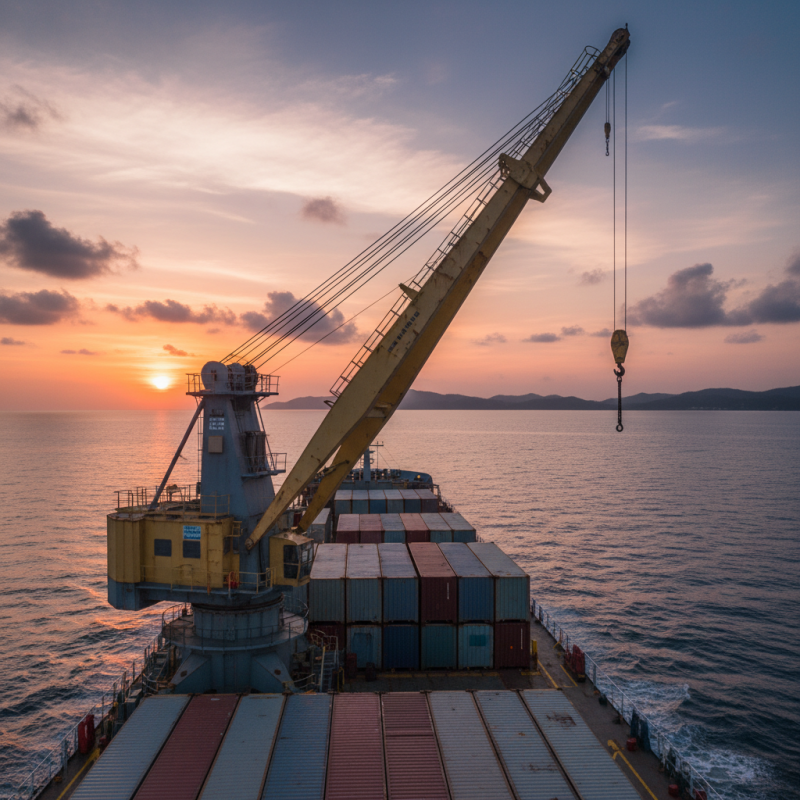
Understanding the Different Types of Marine Cranes Available
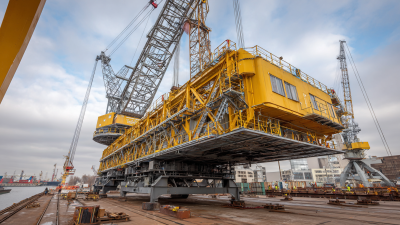
When considering marine cranes, understanding the different types available is crucial. There are several major categories, including knuckle boom cranes, telescopic cranes, and lattice boom cranes. Each serves unique purposes and offers distinct advantages. For instance, knuckle boom cranes can maneuver easily in tight spaces. This flexibility often benefits smaller vessels navigating crowded ports.
Telescopic cranes boast impressive lifting capacities, making them ideal for heavy-duty operations. However, their design limits them to specific applications. Lattice boom cranes, on the other hand, excel in heavy lifting tasks at great heights. These cranes are ideal for offshore applications. Remember, the choice depends on your specific needs.
It's important to evaluate the limitations and requirements of each crane type. Some models may not fit your operational environment. While one type may be perfect for lifting, it could lack adaptability. Always reflect on the crane's reach and load capacities. Assessing these factors ensures that you invest wisely in equipment that aligns with your operational goals.
Key Factors to Consider Before Buying a Marine Crane
When purchasing a marine crane, several key factors demand your attention. The capacity of the crane is critical. This affects its performance in various marine conditions. Be sure to assess maximum load limits. A crane that cannot handle your needs may lead to accidents or inefficiencies.
Another vital aspect to consider is the crane's safety features. Innovative systems can minimize risks during operations. Look for cranes with automatic shut-off options and slip-resistant designs. These features enhance safety on board, especially in tough weather conditions.
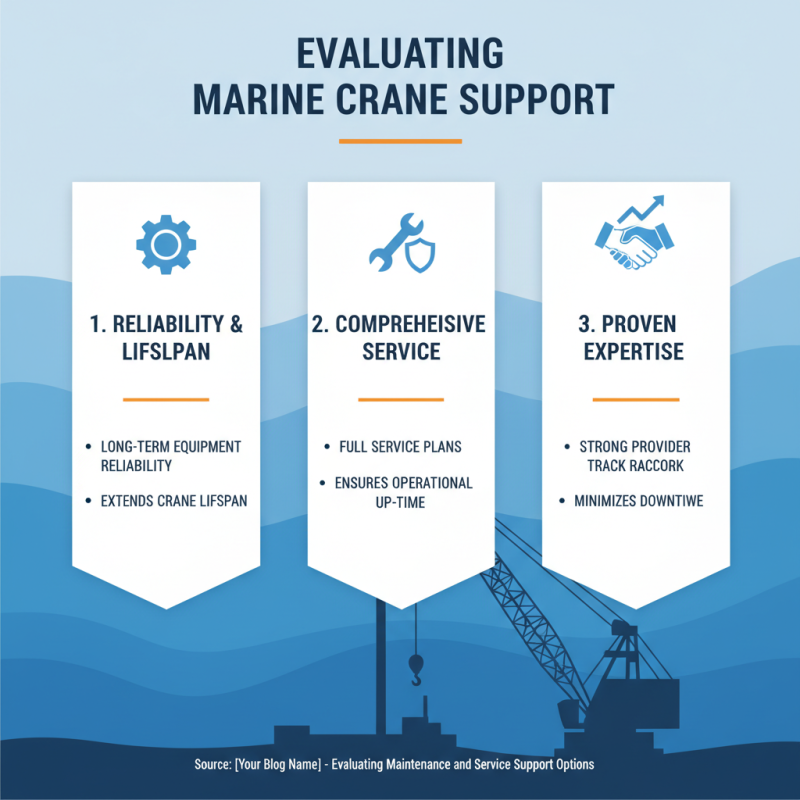
It’s also important to understand the maintenance requirements. Some cranes need more frequent checks than others. Regular maintenance can prevent costly breakdowns. It’s worthwhile to research the types of materials used in the crane's construction too. Durable materials can influence both longevity and reliability.
Top 10 Marine Crane Tips Every Buyer Should Know
| Tip Number |
Key Factor |
Description |
| 1 |
Capacity |
Assess the maximum weight the crane can lift and ensure it suits your operational needs. |
| 2 |
Height & Reach |
Consider the height and outreach required for your specific tasks to avoid limitations. |
| 3 |
Stability |
Ensure the crane design provides adequate stability under various loads. |
| 4 |
Operating Environment |
Evaluate the environment where the crane will operate, such as weather conditions and water salinity. |
| 5 |
Maintenance Requirements |
Consider how easy it is to maintain the crane to ensure longevity and reliability. |
| 6 |
Safety Features |
Look for cranes equipped with necessary safety features to protect operators and bystanders. |
| 7 |
Regulatory Compliance |
Ensure the crane complies with local and international regulations and standards. |
| 8 |
Type of Power Source |
Determine the most efficient power source for your specific operational needs, whether hydraulic, electric, or diesel. |
| 9 |
Manufacturer Reputation |
Research the manufacturer's reputation for quality and performance in the marine crane industry. |
| 10 |
Cost of Ownership |
Evaluate not just the purchase price but also the total cost of ownership, including maintenance, operation, and eventual resale. |
Assessing the Load Capacity and Stability Requirements
When selecting a marine crane, assessing load capacity is vital. Understanding the specific requirements of your operations is crucial. According to industry studies, over 30% of crane failures are linked to improper load management. This emphasizes the importance of knowing the exact weight limits during crane operation.
Stability is equally important. A crane's design must accommodate the specific environment it operates in, such as tidal effects and wind forces. The American Society of Mechanical Engineers (ASME) recommends that cranes operate at a minimum safety factor of 1.5 for load capacity. This means that if your crane is rated at 10 tons, it should be able to safely handle at least 15 tons. This guideline helps prevent accidents that could otherwise lead to serious injuries or financial losses.
Buyers should also consider load distribution. Cranes must operate at or near their optimal range for stability. A poorly distributed load increases the risk of tipping. It's essential to evaluate the layout of the workspace and plan lifting operations accordingly. Implementing these safety measures might seem tedious, but they are necessary to ensure a reliable marine lifting operation.
Top 10 Marine Crane Tips Every Buyer Should Know
Budgeting for Purchase and Long-term Operating Costs
When considering the purchase of a marine crane, budgeting goes beyond the initial cost. Many buyers underestimate long-term operating costs. These expenses can significantly affect profitability over time. Regular maintenance is essential. It helps to prevent costly repairs down the line. Developing a maintenance plan can guard against unexpected failures.
Fuel consumption is another crucial factor. Different crane models have varying efficiency. Poor fuel performance can create a noticeable dent in operational budgets. Additionally, training staff on crane operation needs attention. Well-trained operators can enhance safety and efficiency. This approach reduces the risk of accidents, which can be very costly.
Buyers should also consider the crane's lifespan. Some models may seem cheaper initially but may require frequent replacements. Assessing durability and the ease of obtaining spare parts is also wise. This can save both time and money in the long run. Planning ahead is vital in managing overall costs effectively. By understanding these financial factors, buyers can make more informed decisions.