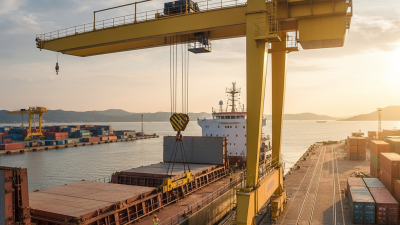
Top Benefits of Shipyard Gantry Crane for Efficient Maritime Operations
The maritime industry relies heavily on efficient lifting equipment, particularly in shipyards. A Shipyard Gantry Crane stands out for its robust design and versatility. According to a recent report by the International Maritime Organization (IMO), over 80% of global trade is facilitated through maritime transport. This statistic underscores the importance of optimized operations in shipbuilding and repair.
Experts like Dr. Emily Tran, a maritime engineering consultant, emphasize the value of these cranes. She states, "The Shipyard Gantry Crane is pivotal in enhancing productivity and safety in maritime operations." With the capacity to lift heavy loads and navigate large workspaces, these cranes streamline workflows. However, challenges remain. Proper maintenance and operator training are crucial to avoid accidents.
Efficiency is not just about technology. It also involves human factors and processes. While the Shipyard Gantry Crane improves operations, continuous assessment and innovative practices are needed to fully harness its potential. It's essential to reflect on how to integrate this machinery effectively into existing systems for maximum benefit.
Benefits of Enhanced Loading and Unloading Efficiency with Gantry Cranes
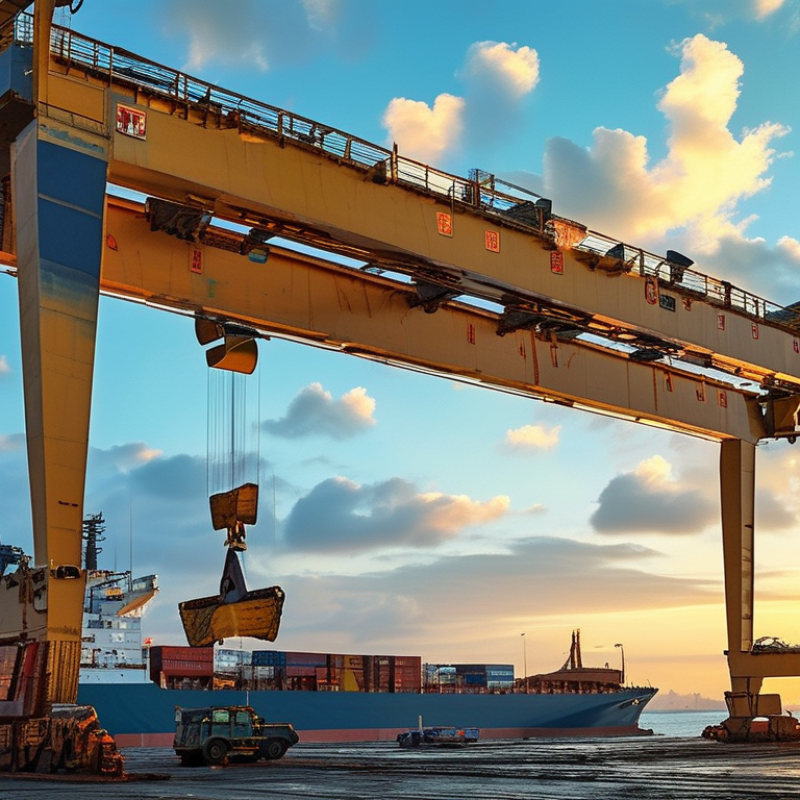
Gantry cranes play a critical role in maritime operations, especially in loading and unloading cargo. These cranes can lift heavy containers with precision, significantly enhancing operational efficiency. According to a report by the International Maritime Organization, using gantry cranes can reduce loading and unloading times by up to 30%. This improvement leads to lower vessel turnaround times, which is crucial for busy ports facing high demand.
Moreover, gantry cranes provide flexibility. They can maneuver between different cargo types and weights, adapting to various shipping needs. In a challenging economy, optimizing resources like gantry cranes becomes essential. Industry statistics indicate that ports investing in advanced crane technology experience up to a 20% increase in overall productivity. However, ports must continuously assess their equipment efficiency. Suboptimal use of gantry cranes can result in bottlenecks, highlighting the need for regular training and maintenance.
Despite the advantages, there are potential drawbacks. The initial investment cost for gantry cranes can be high. Additionally, operators must be skilled to handle these machines effectively. A skilled workforce is vital for maximizing crane potential in port operations. Errors can lead to delays and increased costs, underscoring the importance of careful planning and execution in maritime logistics.
Reduction of Operational Costs through Advanced Gantry Crane Technology
The integration of advanced gantry crane technology can significantly reduce operational costs in shipyards.
These cranes enhance productivity by streamlining loading and unloading processes. Their designs allow for greater maneuverability, which translates to less time wasted.
This efficiency means reduced labor costs, benefiting overall project budgets.
In addition, the durability and reliability of modern gantry cranes minimize maintenance expenses. Frequent mechanical breakdowns can hinder operations, leading to delays and higher costs.
Investing in quality cranes can lead to long-term savings.
However, proper training is crucial.
Poorly trained operators may compromise efficiency and safety. This presents an opportunity for reflection on training programs within maritime operations.
Operations can improve by prioritizing operator skill development, ensuring they maximize the benefits of advanced technology.
Improvement of Safety Standards in Shipyard Operations with Gantry Cranes
The implementation of gantry cranes in shipyard operations significantly enhances safety standards. According to the American Society of Safety Professionals, around 25% of injuries in shipyards are related to lifting operations. Gantry cranes reduce the risk by providing a stable platform for heavy lifting. The design minimizes the likelihood of accidents during material handling. Improved visibility for operators is crucial in preventing mishaps.
Moreover, gantry cranes include features like automatic stop functions and overload protection systems. These mechanisms are essential for safeguarding workers and equipment. A report from the National Safety Council indicates that safety equipment, like these features, can reduce incidents by up to 40%. However, the effectiveness relies on proper training and maintenance. Shipyards must adopt regular inspections to ensure all safety systems function correctly.
While gantry cranes offer many advantages, challenges remain. Some operators may not fully utilize safety features due to a lack of training. This calls for continuous education and awareness initiatives. Investing in workforce training can further boost safety levels. Regular drills and safety workshops should be part of shipyard routines. Ensuring that every worker understands the equipment's features can lead to a culture of safety.
Flexibility in Handling Various Vessel Sizes and Types Using Gantry Cranes
The versatility of shipyard gantry cranes plays a crucial role in contemporary maritime operations. These cranes adapt seamlessly to various vessel sizes and types. They can lift small yachts or huge cargo ships, offering unmatched flexibility. With adjustable spans, gantry cranes can accommodate different hull designs. This flexibility ensures safe and efficient handling of diverse maritime vessels.
Using gantry cranes reduces time spent on loading and unloading. Operators can switch tasks quickly, minimizing downtime. However, challenges like differing weight distributions and stability must be managed. Training staff to operate these machines is essential. Workers need to understand the specific requirements for each vessel type to prevent accidents.
Moreover, the layout of the shipyard impacts crane efficiency. In crowded spaces, maneuvering becomes complex. Gantry cranes must navigate tight areas without disrupting ongoing operations. Regular maintenance is necessary to keep these cranes in optimal condition. Neglecting this can lead to operational setbacks and increased costs. Balancing flexibility with reliability creates a need for ongoing improvement in crane operations.
Contribution of Gantry Cranes to Sustainability in Maritime Operations
Gantry cranes play a vital role in enhancing sustainability in maritime operations. These cranes are designed for heavy lifting while reducing carbon footprints. They use electric power instead of fuel, leading to lower emissions. The efficiency of gantry cranes helps in minimizing the operational time, which directly affects energy consumption.
Additionally, their modular designs allow for easier repairs and upgrades. This translates to less waste and a longer lifecycle. Operators can adapt the cranes for various tasks, ensuring that resources are not overused. However, it's essential to note that their manufacturing process can involve significant energy input and raw materials. Continuous improvements in this area can enhance their overall sustainability.
Training for crane operators is another crucial aspect. Skilled operators can maximize the crane's efficiency, mitigating potential mishaps. The maritime industry must invest in education and innovation to foster responsible practices. While gantry cranes offer many benefits, a critical reflection on their overall environmental impact is necessary. Balancing operational efficiency with sustainability remains a work in progress.
Top Benefits of Shipyard Gantry Crane for Efficient Maritime Operations
| Dimension |
Description |
Benefits |
| Load Capacity |
Ability to lift heavy shipping containers efficiently |
Increases productivity and reduces handling time |
| Mobility |
Can traverse over large spaces in shipyards |
Enhances operational flexibility and space utilization |
| Energy Efficiency |
Innovative technology reducing energy consumption |
Contributes to lower operational costs and environmental impact |
| Safety Features |
Advanced safety systems to protect workers and cargo |
Minimizes accidents, ensuring a safe working environment |
| Sustainability |
Reduces emissions through efficient load handling |
Promotes green practices in maritime operations |