Best Mooring Hawser Options for Global Buyers to Consider?
In the ever-evolving maritime industry, selecting the right mooring hawser is critical. Experts emphasize its importance for safety and efficiency. John Parker, a marine logistics expert, once stated, "The right mooring hawser can mean the difference between safety and disaster at sea." This highlights the responsibility that comes with choosing these essential tools.
A mooring hawser connects vessels to docks or buoys and must withstand harsh conditions. Quality hawsers provide security against unpredictable weather and tides. Buyers should evaluate materials, length, and diameter. These factors determine the mooring hawser's reliability in different environments. Additionally, understanding specifications can be challenging for newcomers.
It's not always easy to find the best options. Many sellers claim superiority, but performance varies widely. Factors like testing standards and certifications often go overlooked. Buyers must engage thoughtfully in this process to make informed choices. Overall, while the right mooring hawser enhances safety, the search for quality can be daunting. Reflecting critically on these choices is crucial for effective maritime operations.

Best Mooring Hawser Options: Overview of Types and Materials
When considering mooring hawsers, understanding the types and materials is essential. Mooring hawsers are ropes or lines used to secure vessels to docks or anchors. Their effectiveness depends on material strength, durability, and flexibility.
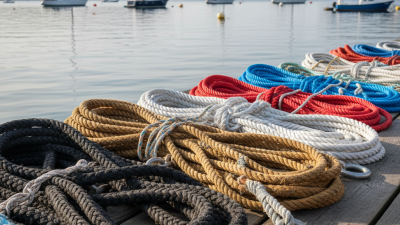
Common materials include polyester, polyamide, and polypropylene. Polyester is renowned for its high tensile strength and resistance to UV rays. It retains stability in various weather conditions, making it ideal for extended use. Polyamide, or nylon, provides excellent shock absorption. This quality is crucial when dealing with rough sea conditions. On the other hand, polypropylene is lightweight and floats on water. However, it may degrade faster under UV exposure compared to other materials.
Selection of hawsers can often lead to confusion. Many buyers overlook the importance of specific use-cases. Factors like vessel size, environmental conditions, and duration of mooring should be assessed. Mistakes can happen if one overlooks these aspects. A wrong choice may lead to compromised safety or damage to the vessel. Therefore, thorough research and consultation with professionals in the field remain imperative for making informed decisions.
Key Specifications for Mooring Hawsers: Breaking Strength and Diameter
When selecting a mooring hawser, breaking strength and diameter are crucial specifications to consider. Breaking strength indicates the load capacity before failure. For safety, choose a hawser with at least three times the expected load. This recommendation helps prevent accidents during mooring operations.
The diameter of the hawser affects flexibility and weight. Thicker ropes handle higher loads but may be less flexible. Conversely, thinner ropes are easier to handle but weaker. Finding the right balance is vital. Consider the specific requirements of your vessel and its operating conditions.
Tip: Regularly inspect your mooring hawser for wear and tear. Frayed edges or broken strands can lead to serious safety risks. Additionally, storing the hawser properly when not in use extends its lifespan. Pay attention to how the hawser reacts in various weather conditions. Adjust your choice based on performance feedback.
Market Trends: Global Demand and Supply Factors for Mooring Hawsers
The global demand for mooring hawsers is influenced by several factors. The shipping industry is expanding rapidly. With this growth, the need for reliable mooring solutions increases. Factors such as port activity, shipping regulations, and vessel sizes significantly affect supply levels.
In recent years, environmental regulations have changed. These regulations challenge manufacturers to create sustainable mooring solutions. Buyers are now looking for eco-friendly options. Suppliers must adapt quickly to meet these demands. Supply chain disruptions also create challenges. Natural disasters and geopolitical events can delay production times.
Furthermore, competition among manufacturers is fierce. Innovative materials and designs are emerging to capture market attention. However, not every product meets safety and quality standards. Buyers must carefully evaluate options, considering factors like durability, flexibility, and ease of handling. Making informed decisions can be complex.
Market Trends: Global Demand and Supply Factors for Mooring Hawsers
This bar chart illustrates the comparative demand and supply of mooring hawsers across different regions. The data indicates significant demand in Asia, followed by Europe and North America, whereas the supply varies, with North America having a higher supply capacity than some regions with high demand.
Leading Manufacturers: Notable Brands and Their Product Offerings
When selecting mooring hawsers, understanding the offerings of top manufacturers is essential. Reputable brands often provide a range of options. These can vary in material, diameter, and breaking strength. Familiarizing yourself with these variables can greatly influence your choice.
Many manufacturers prioritize durability and performance in their products. Some focus on synthetic fibers, which offer high strength and low stretch. Others may emphasize traditional materials like nylon, known for its reliability. Buyers should assess which attributes align best with their specific needs.
Tips for selecting the right mooring hawser: Always consider the environmental conditions. Exposure to sunlight and saltwater can degrade materials over time, affecting lifespan. Regularly inspect your hawsers for any signs of wear and tear. A proactive approach can help you avoid costly replacements. Remember, not every product suits all situations. Take the time to evaluate your unique requirements.
Safety Standards and Industry Regulations for Mooring Equipment
When choosing mooring hawsers, safety standards and regulations are paramount. These guidelines ensure that the equipment can withstand environmental pressures and maintain structural integrity. Projects often specify standards set by international organizations. Familiarity with these rules builds trust in your equipment choices.
Consider inspecting your hawsers regularly. Look for signs of wear and tear. Regular maintenance can prevent accidents and extend the lifespan of your equipment. Optimal safety is not an afterthought; it is a fundamental practice.
Also, be aware that not all hawsers are created equal. Various materials can influence performance. Fiber-based hawsers generally offer flexibility, while steel options provide strength. Each material has unique pros and cons. Clarifying your project needs will guide your selection.
Always seek expert opinions. They can provide insights that may not be immediately apparent. Engaging with professionals can refine your understanding of compliance and quality. Taking these steps contributes to safer operations in marine environments.