Why Choose a Boat Crane for Your Marine Operations?
In the marine industry, reliability is paramount. Experts like John Smith, a leading authority on marine lifting equipment, emphasize the importance of choosing the right tools. He states, "Investing in a quality Boat Crane is essential for safe and efficient operations."
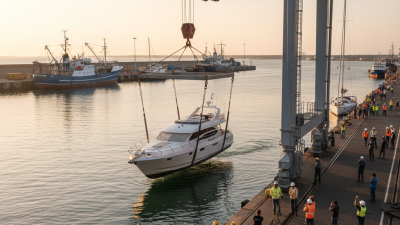
Boat Cranes are designed to elevate heavy loads with precision. They provide the necessary strength and stability for various marine tasks. Whether lifting yachts or cargo containers, these cranes prove their worth every day. Industries demand tools that enhance operational efficiency.
Despite their advantages, some operators still underestimate the value of a good Boat Crane. They often ignore how a quality crane can reduce risks and downtime. This oversight can lead to accidents or costly repairs. In an industry where safety cannot be compromised, the right choice is crucial for success.
Understanding the Functionality of Boat Cranes in Marine Operations
Boat cranes are essential tools in marine operations. They provide a reliable means for lifting and moving heavy equipment, vessels, and cargo. This functionality greatly enhances the efficiency of loading and unloading tasks. Boat cranes can handle loads of various shapes and sizes, making them versatile for different marine applications.
Understanding how boat cranes operate reveals their significance. These cranes often feature rotating booms that extend to reach difficult spots on a vessel. Their design allows for smooth operation, even in challenging weather conditions. However, it is crucial for operators to be trained and experienced. Misuse can lead to accidents or damage to both the crane and the cargo. Regular maintenance is also vital to ensure that the machinery remains operational.
Despite their advantages, boat cranes come with challenges. Adverse marine conditions can impact performance. Operators must constantly assess weather factors and adjust their methods accordingly. This adaptability is not always easy and requires experience. Continuous training and awareness of safety protocols are necessary for success in marine operations using these cranes.
Benefits of Using Boat Cranes Over Traditional Lifting Solutions
Boat cranes offer distinct advantages for marine operations when compared to traditional lifting solutions. They are designed to handle the unique challenges of marine environments. Their versatility allows them to lift various types of boats and equipment with precision. This capability reduces the risk of accidents that could result from using forklifts or other rigid lifting methods.
One notable benefit is their ability to operate in tight spaces. Many marine facilities have limited room for maneuvering large machinery. Boat cranes can be positioned to maximize efficiency without compromising safety. Their stability in rough waters also enhances reliability, something that standard cranes often lack.
Despite their advantages, boat cranes require regular maintenance to ensure safety and performance. Neglect can lead to operational failures. Operators need proper training to manage them effectively. This necessity might seem daunting, but it ultimately fosters a safer working environment. Choosing the right lifting solution involves understanding these complexities and recognizing the benefits boat cranes bring to marine operations.
Key Features to Consider When Selecting a Boat Crane
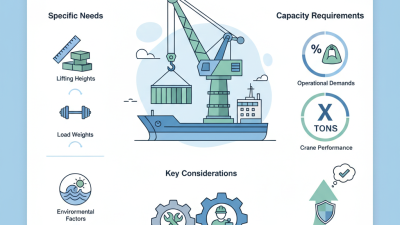
When selecting a boat crane for marine operations, several key features stand out. Load capacity is critical. Ensure that the crane can handle the heaviest loads you expect. A crane with inadequate capacity can lead to dangerous situations and costly damages. Remember, choosing a model that exceeds your needs offers peace of mind during operations.
Another important feature is mobility. A portable crane can provide flexibility when working in different locations. Consider how easy it is to transport and operate. If the crane is cumbersome, it may hinder productivity. A user-friendly design simplifies operations for the crew, reducing potential errors during lifts.
Durability also matters significantly. Marine environments are harsh, exposing equipment to saltwater and extreme weather. A crane made from corrosion-resistant materials will require less maintenance. However, even the best cranes can have issues over time. Regular inspections and upkeep are necessary. Make it a routine to identify potential weaknesses before they become major problems. Choosing the right boat crane is about weighing multiple factors and understanding the balance between features, functionality, and reliability.
Why Choose a Boat Crane for Your Marine Operations? - Key Features to Consider When Selecting a Boat Crane
| Feature |
Description |
Importance |
Considerations |
| Lifting Capacity |
The maximum weight the crane can lift. |
Essential for ensuring safety and efficiency. |
Match capacity with the heaviest loads expected. |
| Boom Length |
The extent to which the crane can reach over the water. |
Critical for accessing distant vessels. |
Measure required reach based on dock design. |
| Maneuverability |
The ease of moving the crane into position. |
Important for operational efficiency and safety. |
Consider space available for operation. |
| Durability |
The ability of the crane to withstand harsh marine environments. |
Ensures longevity and reliability. |
Check materials used and corrosion resistance. |
| Safety Features |
Includes emergency stop mechanisms and overload protection. |
Crucial for preventing accidents. |
Ensure compliance with local safety regulations. |
Safety Considerations for Boat Crane Operations in Marine Settings
When operating a boat crane in marine settings, safety is paramount. The unpredictable nature of water demands rigorous safety protocols. Each operation carries inherent risks, ranging from equipment failure to unexpected weather changes. Regular maintenance checks on the crane are essential. Inspecting hoists, pulleys, and cables can prevent accidents.
Training personnel is another critical aspect. All operators should be well-versed in safety procedures. In many cases, confusion arises from a lack of knowledge. Even experienced crew members can overlook essential safety checks. A well-structured training program can address these gaps. Clear communication among the crew minimizes misunderstandings during operations.
Emergency preparedness is vital. Ensure that a rescue plan is in place. Equipment for quick recovery should be readily available. Operators should practice drills regularly to instill confidence. However, it’s important to recognize the limits of your crew and equipment. Being overconfident can lead to oversight. Striving for safety in marine operations requires continuous reflection and improvement.
Maintenance Tips for Ensuring Optimal Performance of Boat Cranes
Boat cranes play a vital role in marine operations, ensuring safe and efficient handling of cargo. However, to maintain their effectiveness, regular maintenance is essential. Routine checks can prevent unexpected breakdowns and enhance performance.
One maintenance tip is to inspect the cables and pulleys regularly. Look for signs of wear and tear. Damaged components can lead to accidents. Keeping these parts in good condition ensures smooth operations during heavy lifting tasks. Also, lubrication is crucial. Apply the right lubricant to moving parts to reduce friction and extend the crane's lifespan.
Regularly test the crane's load capacity. It’s easy to overload a boat crane, affecting its performance. Conducting these tests can help identify potential issues before they escalate. If the crane presents inconsistent performance, seek professional evaluation. Keeping records of maintenance activities can help track performance trends over time.