How to Choose the Best Side Loader Crane for Your Business
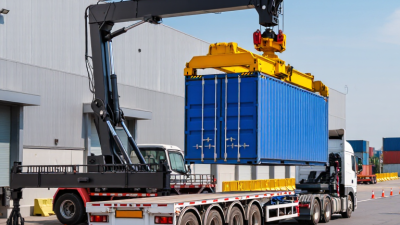
Choosing the best Side Loader Crane begins with the worksite, not the brochure. A machine lifting 20 tonnes may still underperform when the load sits far from the truck. Outreach changes capacity quickly. Ground conditions, container dimensions, traffic space, and daily lifting frequency matter just as much.
UNCTAD’s Review of Maritime Transport 2024 reported that global seaborne trade reached approximately 12.3 billion tonnes in 2023. This growth increases pressure on inland logistics and container-handling operations. The World Bank’s Logistics Performance Index 2023 also evaluates timeliness, tracking, and reliability as critical logistics factors. Therefore, crane selection should consider more than maximum lifting capacity. Downtime, setup speed, operator visibility, and service support can influence the real cost of ownership.
A practical evaluation should compare the load chart at actual working distances. Check hydraulic stability, outrigger placement, chassis compatibility, control systems, and lifting-cycle requirements. Ask whether local technicians can supply parts quickly. Ask again after receiving the sales quotation. Some specifications may look impressive but offer little value on uneven ground or narrow industrial roads. I have seen equipment decisions focus too heavily on rated capacity, while ignoring access limitations and maintenance habits. That is an easy mistake.
The right Side Loader Crane should match your heaviest routine load, not an occasional lifting fantasy. It should also meet applicable safety standards and receive documented inspections. This guide explains how to assess performance, safety, operating cost, and long-term reliability before making a confident purchase.

Define Your Side Loader Crane Needs and Operating Conditions
Choosing the best side loader crane starts with defining the work, not comparing specifications. Record the typical load weight, maximum lift height, required reach, and daily lifting frequency. Include awkward loads, such as long steel sections or uneven pallets. A crane rated for occasional lifting may struggle under constant cycles. Small details matter.
Measure the operating area carefully. Note road width, ground strength, overhead clearance, turning space, and nearby structures. Mud, slopes, coastal air, and extreme temperatures can change equipment performance. The carrier must also support the crane without reducing stability or payload capacity. Ask for verified load charts, installation data, and maintenance requirements. Do not rely only on a sales figure.
Operator experience should shape the choice. Simple controls can reduce mistakes, but training remains essential. Check visibility around the load, emergency controls, remote operation, and access for inspections. A practical field review often reveals problems missed in a brochure. One overlooked issue is service access. If filters, hoses, or hydraulic fittings are difficult to reach, routine maintenance may be delayed. That can become expensive. I would also question every assumption, especially the belief that maximum capacity equals better value. A smaller crane may suit frequent urban work, while a stronger model may be necessary for rough ground and heavier loads. Record actual site conditions for several working days before making the final specification.
Compare Crane Types, Lifting Capacity, and Reach
How to Choose the Best Side Loader Crane for Your Business
Choosing a side loader crane starts with the work, not the advertised lifting capacity.
A knuckle boom suits deliveries that require flexible positioning around walls, gates, and uneven access points. A straight boom usually offers simpler control and consistent reach. Telescopic designs can extend farther, but their capacity often decreases sharply at maximum extension.
Compare each crane by its rated load at a specific radius. A crane listed at 10 tonnes may lift far less when the load sits several metres from the truck.
Measure your typical loads, including containers, machinery, or building materials. Then add a practical margin for uneven ground and changing work conditions.
Do not size equipment for one exceptional job. That choice can create unnecessary cost and stability problems.
Reach also needs a physical check. Mark the loading area with cones and measure the distance from the truck’s centreline. Check boom height, swing clearance, and space beside parked vehicles.
My first estimate was wrong. I focused on maximum reach and ignored side clearance. That mistake matters.
Ask suppliers for load charts, setup requirements, maintenance records, and operator training details. Review those documents with an experienced operator before purchasing. A slightly smaller crane may work better when it offers stronger capacity at your normal working radius.
Evaluate Vehicle Compatibility and Installation Requirements
How to Choose the Best Side Loader Crane for Your Business
Vehicle compatibility should guide every side loader crane decision. A powerful crane is unsuitable if the truck cannot safely carry its operating weight. Check the vehicle’s payload, wheelbase, chassis strength, and axle ratings before comparing lifting capacity. Measure twice.
Review the crane’s mounting footprint against the available frame space. Check fuel tanks, battery boxes, exhaust systems, and suspension components for interference. Hydraulic requirements also matter. Confirm that the vehicle can supply adequate flow and pressure without overheating during repeated loading cycles. Electrical controls should match the truck’s voltage and include protected cable routing.
Installation quality affects reliability as much as crane design. A qualified installer should inspect frame condition, mounting plates, reinforcement points, and load distribution. The completed system may need functional testing, stability checks, and documentation for local transport requirements. Keep clearances around doors, mirrors, and service panels. Fit matters.
In field work, small oversights become expensive delays. I once underestimated the space needed for routine hydraulic maintenance. The crane operated correctly, but access was frustrating. That mistake changed my installation checklist. Leave room for inspections, hose replacement, and emergency shutdown access. Consider stabilizer placement on uneven ground, too. Real sites rarely resemble clean workshop drawings. Recheck measurements after body installation, because added equipment can change axle loading and available clearance.
Assess Safety Features, Maintenance, and Operator Training
Choosing a side loader crane requires more than comparing lifting capacity and reach. Safety features should guide the decision.
Look for clear load charts, stable outriggers, emergency stops, and reliable overload protection. Guards should cover moving parts without blocking the operator’s view. A camera or proximity alarm can improve awareness around tight loading areas. Test each control before purchase. A smooth demonstration does not prove long-term reliability.
Maintenance needs practical inspection access. Check whether technicians can reach hydraulic fittings, filters, pins, and electrical connections without dismantling half the crane. Examine hoses for abrasion, especially near bends and steel edges. Keep a service record with dates, findings, and replaced parts. Small leaks matter. They can become expensive failures during a busy shift. However, even a detailed schedule may miss damage caused by unusual loads or rough ground.
Operator training should include classroom instruction and supervised practice. Operators need to read load charts, position the vehicle, secure cargo, and recognize unstable conditions. They should practice emergency shutdowns in a controlled area. Short refreshers help, especially after long periods without use. Ask experienced operators what feels unclear. Their feedback often reveals design problems that a brochure cannot show. Training is never perfectly complete. Real work keeps exposing gaps.
How to Choose the Best Side Loader Crane for Your Business
Assess safety features, maintenance requirements, and operator training before selecting a side loader crane.
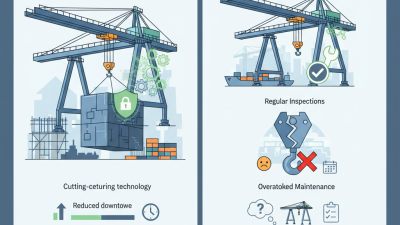
This procurement assessment uses a transparent 1–5 scoring scale: 1 indicates limited provision and 5 indicates a strong, documented provision. Safety features receive the highest weighting because load control, emergency stopping, overload protection, visibility, and stability directly influence lifting risk. Maintenance support and operator training should also be verified through service records, inspection procedures, manuals, and practical competency assessments.
Calculate Total Cost, Supplier Support, and Long-Term Value
How to Choose the Best Side Loader Crane for Your Business
Purchase price rarely shows the real cost of a side loader crane. Calculate fuel, scheduled servicing, spare parts, operator training, insurance, and downtime. The U.S. Department of Energy’s Operations & Maintenance Best Practices Guide, Release 3.0, estimates that improved maintenance can reduce energy costs by 5–20% across facilities. A crane’s savings may be smaller, but the direction is clear. Poor maintenance quietly consumes cash.
Build a five-year cost model. Include lifting capacity, average daily cycles, fuel use, hydraulic inspections, tyre replacement, and expected resale value. Ask suppliers for written service-response times and common-part availability. OSHA’s construction crane rules require frequent and periodic inspections, so inspection access and documented records matter. ISO 9927-1 also supports structured crane inspections. These are not decorative documents. They affect uptime and risk control.
Supplier support often decides long-term value. Check technician coverage near your operating sites. Request training hours, warranty exclusions, diagnostic access, and a sample maintenance schedule. A low quote can become expensive after one week of waiting for a valve. I have seen spreadsheets miss that detail. They look precise, but they often assume perfect roads, perfect operators, and zero delays. That is not a reliable business case. Test the crane with your actual load dimensions, loading rhythm, and site conditions before signing.