Leave Your Message

10 Essential Tips for Choosing a Double Girder Gantry Crane

Choosing the right equipment for heavy lifting can be daunting. The Double Girder Gantry Crane is a popular choice in various industries. Its design ensures stability and strength, which is crucial for loads of substantial weight. However, selecting the right model requires careful consideration of several factors.

Understanding the specific needs of your operation is essential. The size, lifting capacity, and environmental conditions play significant roles. Not all Double Girder Gantry Cranes are created equal. Each comes with unique features and configurations that may or may not suit your requirements. Working closely with manufacturers can provide insights into which model aligns best with your goals.

Moreover, don’t overlook safety features and maintenance requirements. A crane that is reliable should also be easy to maintain. Investing time in research can save you from future headaches. Evaluate different options based on user reviews and expert recommendations. This process may feel overwhelming but remains vital to make an informed decision.
10 Essential Tips for Choosing a Double Girder Gantry Crane

Understanding the Basics of Double Girder Gantry Cranes

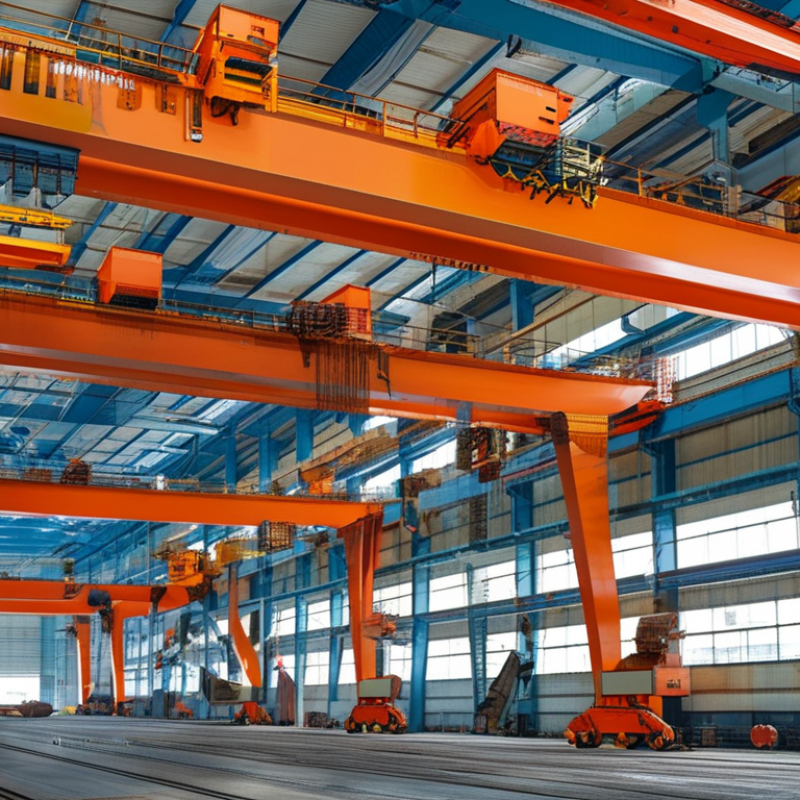
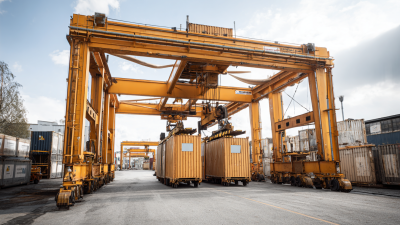
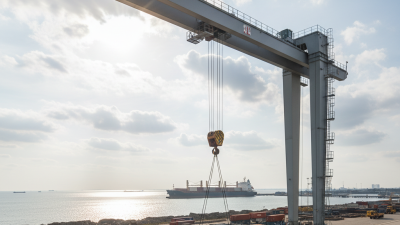
Double girder gantry cranes are popular in various industries for their strength and versatility. Understanding their design is crucial before making a purchase. These cranes feature two main girders that provide stability and increased lifting capacity. The structure allows for a wider span and greater lifting height compared to single girder models.

When considering a double girder gantry crane, assess your operational needs. Will you require a lot of lifting height? The crane's configuration can affect performance. The materials used in construction affect longevity and safety. Pay attention to the load capacity and the frequency of use. Not every crane will meet the demands of high-intensity applications.

Many users neglect to conduct proper site evaluations. The ground conditions and overhead restrictions play a significant role. Investing in thorough assessments can prevent costly mistakes. Evaluate existing equipment compatibility as well; this is often overlooked. Each crane has unique specifications that might not suit your existing setup. The installation process also requires careful planning to ensure proper operation.
Evaluating Load Capacity and Specifications for Your Application

When choosing a double girder gantry crane, understanding load capacity is crucial. This specification directly impacts your operations. Evaluate the maximum weight you need to lift. Consider the materials, their volume, and any dynamic loads. If your load varies frequently, opt for a crane with a higher capacity to accommodate unforeseen increases.

Specifications matter just as much as capacity. Look into the crane's height and span. The height determines how much vertical space is available for operations. While the span should fit the area where the crane will operate. Think about the environment too. If your site has limitations, such as low ceilings or narrow aisles, those will affect your choice.

Be aware that some cranes may offer a good load capacity but lack durability. Always review product literature and seek expert advice when needed. Avoid settling for just what appears adequate. Reflect on your future needs. Will your operations grow? Can your crane adapt? Choosing wisely today can prevent issues later.

Assessing the Crane Design and Structural Integrity

Choosing a double girder gantry crane requires a careful look at its design and structural integrity. The crane's capacity, height, and span play crucial roles. Reports indicate that structural failures often stem from inadequate load capacity assessment. According to the American Society of Mechanical Engineers (ASME), cranes should exceed the rated load by at least 25% for safety.

Material selection greatly impacts overall integrity. High-strength steel is common, but quality can vary. Examine certificates of authenticity, ensuring compliance with ASTM standards. More than just numbers, the manufacturing process should prioritize precision. A poorly designed joint or improperly welded section can lead to catastrophic failure.

Frequent inspections are essential. A study by the Occupational Safety and Health Administration (OSHA) suggests that 50% of crane accidents are linked to improper maintenance. Assessing wear and tear, especially in moving parts, is crucial. Consider established protocols and document findings. Ignoring these practices can lead to costly downtime and safety violations.

10 Essential Tips for Choosing a Double Girder Gantry Crane - Assessing the Crane Design and Structural Integrity

Dimension Description Importance
Load Capacity Maximum weight the crane can lift safely. Ensures the crane can handle the intended loads without risk.
Span Length Distance between the crane's supporting legs. Determines the area over which the load can be lifted.
Lifting Height Maximum vertical distance the crane can lift the load. Important for operations involving high storage areas.
Material Construction Type of materials used in crane construction. Affects weight capacity, durability, and safety.
Drive System Mechanism used to power the crane's movement. Critical for efficiency, speed, and reliability.
Safety Features Includes emergency brakes, anti-collision systems. Essential for protecting operators and equipment.
Power Supply Type of power source (electric, diesel, etc.). Determines crane operation in various environments.
Control Systems Type of control used (manual, remote, automated). Affects user-friendliness and precision of operation.
Maintenance Requirements Frequency and type of maintenance needed. Influences long-term costs and downtime.
Warranty & Support Manufacturer warranty and customer support offered. Ensures peace of mind and support in case of issues.

Identifying Key Safety Features and Compliance Standards

When choosing a double girder gantry crane, safety features take precedence. Look for cranes with an emergency stop system. This system should be easily accessible and clearly marked. It could prevent accidents during unexpected circumstances. Also, consider the presence of limit switches. These devices safeguard against overloading and excessive travel, reducing wear and tear.

Compliance with industry standards is crucial. Ensure the crane meets local and international safety regulations. Look for certifications that reflect compliance, as well. This documentation supports the crane’s reliability. Furthermore, pay attention to the design. A well-engineered crane minimizes the risk of tipping. Assess the stability features to ensure they meet operational requirements.

Don’t overlook operator training. Even the best cranes can be misused. A thorough training program can mitigate risks. Often, companies underestimate the importance of qualified personnel. Investing in good training is essential for safety. Keep in mind that vigilant maintenance is equally important. Regular inspections can help catch issues before they become critical. The safety of your operation hinges on diligence in these areas.

Selecting the Right Manufacturer and Service Provider

Choosing the right manufacturer for a double girder gantry crane is crucial. The quality of your crane directly affects operational efficiency. According to industry reports, more than 20% of cranes fail due to poor manufacturing standards. This statistic underscores the importance of selecting experienced manufacturers with a proven track record. Look for companies that specialize in cranes and have robust safety certifications.

Evaluating a manufacturer’s reputation is necessary. Online reviews and professional associations can provide insights into their reliability. However, not all reviews are trustworthy. In 2021, over 30% of adverse reports in the crane industry were linked to customer service failures rather than product defects. Checking references is essential. Engage with past clients to understand their experiences.

Consider the level of after-sales support offered. Reliable service can significantly extend the lifespan of your gantry crane. Reports indicate that regular maintenance and prompt servicing can reduce downtime by over 40%. Some manufacturers, however, lack adequate support programs. This gap can lead to additional costs and operational disruptions. Always inquire about warranty terms, service availability, and response times before making a decision.