Choosing the right Shipyard Gantry Crane manufacturer affects lifting safety, production speed, maintenance costs, and long-term dock performance. A crane may look powerful, yet poor control can create delays beside a vessel.
This guide examines leading manufacturers and suppliers through practical criteria. These include safe working load, span, lifting height, trolley accuracy, corrosion protection, automation, spare-parts support, and commissioning experience. Site conditions matter too. Salt air, uneven rails, heavy wind, and tight assembly areas can quickly expose weak engineering.
Dr. Henrik Larsen, a shipyard lifting-equipment consultant, states, “A reliable crane is measured by controlled movement, not lifting capacity alone.” That principle deserves attention. A high-capacity system can still underperform when its brakes, drives, sensors, or operator controls are poorly matched to daily work.
The comparison also considers real installation experience. Reliable suppliers should explain inspection schedules, operator training, emergency procedures, and expected maintenance intervals. They should not hide behind impressive brochures. Transparent technical drawings and documented testing are more useful.
No ranking is perfect. Supplier performance can vary by region, project scale, and service team. Some published specifications also need closer verification. Buyers should request references from comparable shipyards and review total ownership costs, not only the purchase price.
This introduction sets the direction for evaluating top Shipyard Gantry Crane manufacturers and suppliers. The strongest choice is not always the cheapest or largest. It is the partner that delivers safe lifting, stable operation, practical support, and honest engineering throughout the crane’s working life.

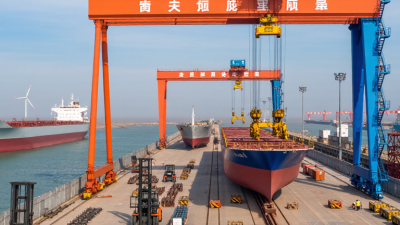
A shipyard gantry crane is a large steel lifting machine designed to move ship components safely across a construction yard.
It travels on rails supported by tall legs.
It is massive.
The crane lifts steel plates, engine sections, prefabricated blocks, and completed hull modules. Its trolley moves horizontally along the bridge, while hoists raise or lower loads with controlled precision. Unlike a standard workshop crane, it must cover wide spans and operate outdoors. Wind, salt air, uneven loads, and limited working space affect daily performance. Experienced operators understand that a higher lifting capacity does not always mean a better crane.
Practical selection requires more than checking the maximum load. Engineers review span, lifting height, rail length, duty cycle, power supply, and local weather conditions. Reliable designs include emergency stops, overload protection, limit switches, clear load charts, and guarded access areas.
Operators should inspect hooks, wire ropes, brakes, wheels, and electrical controls before each shift. Small alignment problems can become expensive failures. That point is easy to underestimate.
Regular maintenance records and certified load testing help verify long-term reliability. Suppliers should provide technical drawings, inspection documents, training support, and a realistic spare-parts plan. A shipyard gantry crane works best when its design matches actual production habits, not only a sales specification.
Key Types of Shipyard Gantry Cranes
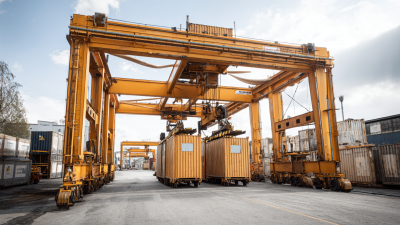
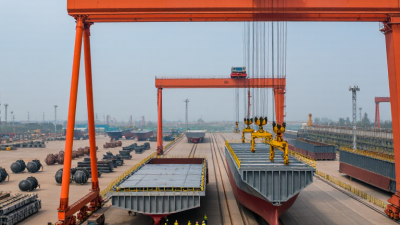
Shipyard gantry cranes lift steel blocks, engines, and completed vessel sections across large assembly areas. From field inspections, the most common choice is the rail-mounted gantry crane. It travels on fixed rails and offers stable movement over long distances. Double-girder designs support heavier loads and wider spans. Single-girder models suit lighter fabrication work and smaller yards. Alignment matters.
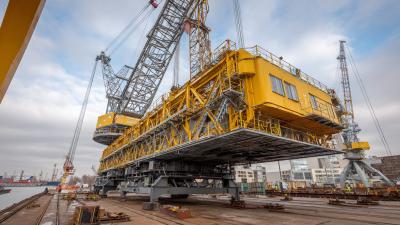
Rubber-tyred gantry cranes provide greater flexibility. They can move between workshops, storage zones, and quay areas without permanent rails. Their tires reduce installation limits but require firm, level ground. Wind, uneven pavement, and turning space deserve careful review. A semi-gantry crane can work beside a building, using one elevated runway and one ground rail. This arrangement saves floor space, though it may restrict handling routes.
Portal gantry cranes are useful near dry docks and waterfront maintenance areas. Their legs create clearance for vehicles, tools, and temporary structures beneath the beam. Engineers usually compare rated capacity, span, lifting height, duty cycle, salt exposure, and emergency controls. Practical experience shows that a larger crane is not always better. Oversized equipment can increase foundation costs and reduce movement efficiency. I have seen planning teams focus on lifting capacity while overlooking hook travel speed. That mistake can delay block positioning and create avoidable waiting time. Reliable selection needs actual load records, site measurements, and regular inspection feedback.
| Crane Type | Typical Safe Working Load | Typical Span | Typical Lifting Height | Mobility and Support | Primary Shipyard Applications | Key Design Features |
|---|---|---|---|---|---|---|
| Single-Girder Gantry Crane | 5–50 tonnes | 10–35 m | 6–18 m | Rubber-tired or rail-mounted; supported by two end legs | Light and medium-duty fabrication, component handling, maintenance areas, and workshops | Lower structural weight, economical installation, and suitable for moderate lifting frequency |
| Double-Girder Gantry Crane | 20–500 tonnes | 20–60 m | 10–30 m | Usually rail-mounted; may be equipped with multiple hoists or trolleys | Large block assembly, hull construction, heavy equipment installation, and dockside lifting | High rigidity, greater lifting capacity, improved hook approaches, and good long-term durability |
| Shipbuilding Gantry Crane | 50–1,000 tonnes | 30–180 m | 20–80 m | Heavy-duty rail-mounted legs designed for travel along shipyard assembly lines | Hull-block lifting, ship section positioning, dry-dock work, and full-vessel assembly | Large portal structure, synchronized hoisting, high wind resistance, and load-monitoring systems |
| Rubber-Tired Gantry Crane | 20–150 tonnes | 15–45 m | 8–25 m | Rubber tires with diesel-electric, hybrid, or battery-assisted drive systems | Flexible movement of ship blocks, steel plates, machinery, and outfitting modules | High route flexibility, reduced dependence on fixed rails, steering control, and optional remote operation |
| Rail-Mounted Gantry Crane | 30–1,000 tonnes | 20–180 m | 15–80 m | Powered steel wheels operating on dedicated rails or embedded tracks | Repeated transport between fabrication bays, dry docks, quaysides, and assembly zones | Accurate travel positioning, high load capacity, lower rolling resistance, and repeatable operation |
| Semi-Gantry Crane | 5–100 tonnes | 10–40 m | 6–25 m | One leg runs on a floor rail while the opposite side runs on an elevated runway | Workshops, storage yards, fabrication lines, and areas with limited structural clearance | Efficient use of existing buildings, reduced foundation requirements, and good access to floor space |
| Portal Gantry Crane | 20–500 tonnes | 15–80 m | 10–40 m | Rigid portal legs with rail-mounted travel along dockside or yard tracks | Dry-dock operations, vessel repair, steel stock handling, and outdoor assembly work | Stable open-frame structure, strong lateral bracing, and suitability for outdoor environments |
| Cantilever Gantry Crane | 20–300 tonnes | 20–100 m | 12–50 m | Rail-mounted structure with one or both sides extending beyond the supporting legs | Loading areas outside the main rail line, dockside transfer, and lifting near obstructions | Extended working reach, improved clearance around buildings, and broader coverage of transfer zones |
| Floating or Barge-Mounted Gantry Crane | 50–1,000 tonnes | 15–60 m | 10–50 m | Installed on a floating platform, barge, or specialized marine vessel | Ship repair afloat, offshore fabrication, marine salvage, and lifting in areas without shore access | Marine-grade structure, ballast management, stability monitoring, and corrosion protection |
| Explosion-Protected Gantry Crane | 5–100 tonnes | 10–40 m | 6–25 m | Rail-mounted or rubber-tired; equipped for classified hazardous areas | Fuel-system work, coating facilities, tank cleaning zones, and handling of flammable materials | Protected electrical equipment, controlled surface temperatures, grounding, and spark-risk reduction |
Note: Capacity, span, and lifting-height figures are typical planning ranges. Final specifications depend on the shipyard layout, load spectrum, duty classification, wind conditions, rail geometry, lifting speed, safety regulations, and required automation level.
How Shipyard Gantry Cranes Operate
Shipyard gantry cranes move steel blocks, engines, and heavy equipment across outdoor assembly zones. Their legs travel along parallel rails, while the bridge spans the working bay. Electric motors drive the wheels, trolley, and hoisting drums. The operator follows a rated load chart, lift plan, and exclusion zone. According to UNCTAD’s Review of Maritime Transport 2024, seaborne trade was expected to grow by about 2% in 2024. That pressure can increase lifting activity in busy yards.
During a lift, the hoist raises the load through wire ropes or chains. The trolley positions it across the bridge. Anti-sway controls reduce swinging, but they cannot replace skilled judgment. Wind sensors, limit switches, overload protection, and emergency stops support safer operation. The ILO identifies lifting work as a major hazard in shipbuilding and ship repair. A small alignment error can twist a steel block. It happens. Regular inspections should check brakes, ropes, rails, welds, and electrical controls. ISO 9927-1 also supports systematic crane inspection practices, although local rules may demand more.
Tips: Confirm the load’s real weight, center of gravity, and lifting points. Walk the route before energizing the crane. Keep people outside the suspended-load zone. Slow movements usually improve control. Do not trust automation blindly. Record unusual vibration, delayed braking, or uneven wheel travel, even when production is urgent.
Evaluating Shipyard Gantry Crane Manufacturers and Suppliers
A capable crane supplier should understand shipyard conditions, not just sell lifting equipment. Salt air, heavy rain, uneven rails, and frequent load cycles test every component. Ask for documented experience with similar lifting capacities, spans, and operating environments. Real project records matter more than polished brochures.
Review the technical design carefully. Check rated load, duty class, trolley speed, emergency stopping, anti-collision controls, and wind protection. Request structural calculations, inspection records, and factory test results. Independent load testing adds confidence. It also exposes weak assumptions. Ask how the supplier protects electrical cabinets from moisture and corrosion. Small details often determine long-term reliability.
Service quality deserves equal attention. Confirm spare-part availability, technician response times, training, and remote troubleshooting procedures. Speak with previous customers, if possible, and inspect an operating crane. Watch its braking, wheel movement, noise, and load sway. A supplier should explain limitations clearly. Overpromising is a warning sign. I would also examine the installation schedule, warranty terms, and maintenance documents. Yet no evaluation is perfect. Site conditions can change after delivery, and even a strong design may need adjustment. A dependable supplier welcomes those questions and records each revision.
Leading Shipyard Gantry Crane Manufacturers and Suppliers are responding to stronger vessel demand and larger project requirements. UNCTAD’s Review of Maritime Transport 2024 recorded about 12.3 billion tonnes of seaborne trade in 2023. It also reported a global merchant fleet of roughly 2.44 billion deadweight tonnes at the start of 2024. These figures increase pressure on shipyards to move steel blocks safely and efficiently.
Experienced buyers should examine more than lifting capacity. A reliable supplier should provide load charts, fatigue calculations, wind limits, emergency controls, and documented factory testing. The crane’s span must match the dry dock, while wheel loads must suit the runway foundation. In practice, laser alignment and corrosion-resistant electrical cabinets can prevent costly interruptions. Small details matter.
Safety comes first.
Suppliers should also demonstrate compliance with applicable machinery, electrical, and occupational safety standards. Independent inspection records add credibility, especially for high-duty cycles. Clarkson Research’s 2024 shipbuilding analyses continued to show strong ordering activity across several vessel segments, supporting demand for flexible gantry systems. However, capacity forecasts can change quickly. A confident sales promise is not engineering evidence. Buyers should request references from comparable shipyards, maintenance response times, spare-parts plans, and realistic delivery schedules. No checklist catches every failure. Some projects still underestimate wind exposure, operator training, or future automation needs. A careful technical review remains essential before selecting a leading manufacturer or supplier.