Top 10 Tips for Choosing the Best Semi Gantry Crane?
When it comes to selecting the right Semigantry Crane, careful consideration is essential. A Semigantry Crane offers a balance between flexibility and stability in various lifting tasks. However, the decision-making process can be overwhelming. What features truly matter? How do you ensure you're making an informed choice?
Many factors influence your selection. Budget constraints often clash with desired features. Reliability and safety are critical, yet sometimes overlooked. A crane that lacks quality control can lead to costly accidents. Knowing the right specifications can help you avoid these pitfalls.
Moreover, the brand reputation plays a vital role. Some manufacturers boast years of expertise, while others may not. It's crucial to weigh these factors and consult experienced users. A peer's advice may reveal insights you hadn't considered. Choosing the appropriate Semigantry Crane is not just a technical decision; it's a commitment to safety and efficiency in your operations.
Understanding the Types of Semi Gantry Cranes Available in the Market
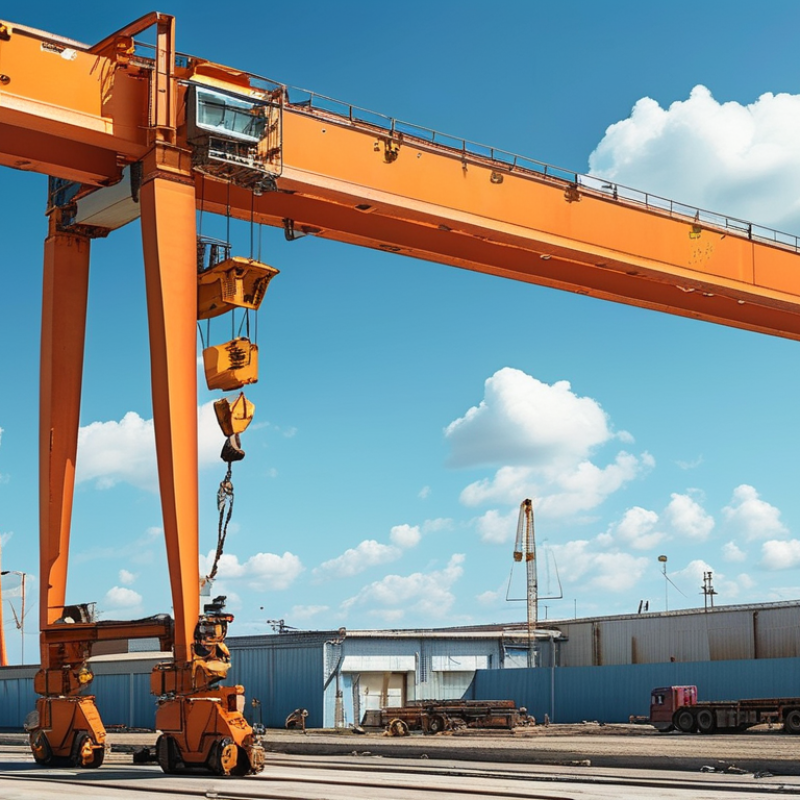
When exploring semi gantry cranes, understanding their variety is crucial. Two primary types are the mobile semi gantry crane and the fixed model. Mobile cranes are versatile. They can be easily transported and are suitable for various applications. Fixed models stay in one place, offering stability for heavy loads. According to industry reports, the mobile semi gantry crane market is expected to grow by 8% annually.
Another distinction lies in the materials used. Cranes can be made from steel or aluminum. Steel models typically offer more strength and durability. On the other hand, aluminum cranes are lighter and easier to maneuver. However, they may not support the same weight as steel counterparts. This limitation can lead to potential safety concerns if loads exceed recommended capacities.
Finally, the lifting mechanism is an essential aspect of semi gantry cranes. Some use electric hoists, while others utilize manual systems. Electric hoists provide increased efficiency but may require more maintenance. Manual systems, while simpler, can lead to operator fatigue. Ensuring the right choice involves weighing these factors carefully. Each type carries its advantages and disadvantages, deserving thorough consideration.
Evaluating Load Capacity Requirements for Your Operations
When selecting a semi gantry crane, understanding load capacity is essential. Load capacity directly impacts safety and efficiency in operations. Assessing the maximum weight that needs lifting is crucial. This requires careful evaluation of regular loads and potential overloads.
Underestimating needs can lead to failures. Overloading a crane can result in accidents, damaging equipment and risking lives.
Consider the specific tasks your crane will perform. Include all variables such as load type and environmental conditions. Heavy, bulky items require different precautions than lighter, more delicate goods.
Reflect on future growth. As business needs evolve, so too will load demands. A crane that meets current capacity may not suffice later.
Don't ignore safety factors in calculations. Always consider a safety margin. This should accommodate unforeseen load increases or distribution issues. Load capacity isn’t just a number; it’s a critical aspect of your operational strategy.
A well-chosen crane supports your team's effectiveness while ensuring compliance with safety standards. Regular evaluations of your load capacity requirements can also lead to better equipment choices and enhanced productivity.
Examining the Key Features and Specifications of Semi Gantry Cranes
When considering a semi gantry crane, key features play a crucial role in its efficiency and safety. Look for robust materials that ensure durability in various working conditions. The crane's lifting capacity is vital. Make sure it suits your specific requirements. Weight handling is influenced by the design of the crane itself. It should be stable while in operation.
Operating height and span are critical specifications. Select a crane that provides the necessary reach and clearance for your workspace. Also, consider the mobility features. Some cranes offer wheeled options, enhancing flexibility on the job site. Evaluate ease of setup and disassembly. Quick assembly saves you time and resources.
While many semi gantry cranes boast impressive specs, there are often trade-offs. Higher weight capacities can lead to increased machine size. This may reduce maneuverability. Reflect on the power source as well. Electric cranes offer low emissions, but might limit outdoor use. Balancing these elements will help in choosing a crane that meets your operational needs effectively.
Top 10 Tips for Choosing the Best Semi Gantry Crane
Considering the Importance of Mobility and Flexibility in Crane Design
When considering semi gantry cranes, mobility and flexibility are paramount. These cranes are often required to navigate tight spaces and adjust to various lifting needs. According to industry experts, a crane’s design should facilitate easy movement across job sites. The ability to reposition quickly can significantly enhance operational efficiency, reducing downtime.
Research indicates that cranes with improved mobility features can increase productivity by up to 25%. This is crucial when working in environments like construction sites where space is often limited. While mobility is essential, it’s also important to balance flexibility in design. A flexible crane allows for various applications, whether lifting heavy loads or intricate positioning tasks.
However, not all cranes achieve this balance effectively. Some models can compromise stability for mobility. This trade-off can lead to safety concerns. Operators must carefully evaluate how well a crane adapts to their specific needs. Data from the American National Standards Institute highlight that cranes with robust design that maximizes both mobility and stability tend to have lower accident rates. Ultimately, thoughtful consideration of a crane’s design can lead to better performance and safer operations in the field.
Assessing the Safety Standards and Compliance for Semi Gantry Cranes
When selecting a semi gantry crane, safety standards are paramount. Ensure that the crane complies with local regulations. These standards often dictate design, maintenance, and operational protocols. A good crane should have a detailed safety certification. Inspect the documentation carefully.
Evaluate the materials used in the crane's construction. High-quality steel and robust components will boost safety. Examine the load capacity ratings. Overspecifying load limits can lead to potential hazards, so pay close attention. Regular inspections and maintenance should be in place. This reflects the commitment to safety and reliability.
Consider training for operators. Skilled personnel can significantly enhance safety. Identify if there are certifications required for crane operators. Regular training programs ensure that operators are aware of safety protocols. Look for user reviews and feedback. This can offer insights into practical safety experiences with specific models.