
Leave Your Message

Why Choose a Towing Crane for Your Fleet?

A towing fleet is judged by more than how many vehicles it can move. Response time, safe handling, and dependable equipment all matter when a customer is waiting beside a disabled vehicle. A Towing Crane can help crews lift and recover vehicles that cannot be moved with a standard tow alone. The right setup may also reduce the need for extra equipment on certain calls. That can make a real difference on a crowded roadside.

But a crane is not automatically the best choice for every fleet. Vehicle weight, boom reach, chassis capacity, and the kinds of jobs crews handle should guide the decision. A unit that looks capable on paper may be less useful if operators cannot position it easily in tight spaces. Training matters, too. A capable crane still depends on careful setup, sound judgment, and regular inspections.

This article explores why fleet operators consider a Towing Crane, what practical advantages it can offer, and which trade-offs deserve attention. We will look at versatility, operating efficiency, maintenance, and equipment matching. Small details count: a clear view of the controls, stable footing, and room to deploy outriggers can shape a recovery. No crane solves every problem. And that is worth remembering. Choosing equipment based only on purchase price can overlook long-term operating needs. A thoughtful comparison helps fleet managers make a decision suited to their vehicles, routes, workloads, and crews.
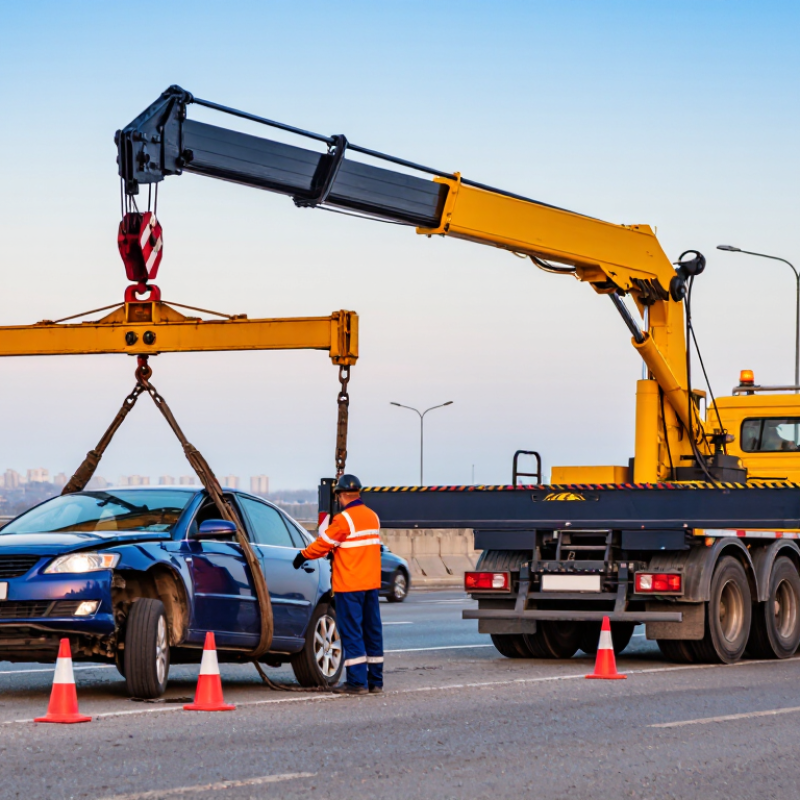
Why Choose a Towing Crane for Your Fleet?

What a Towing Crane Is and How It Works

Why Choose a Towing Crane for Your Fleet?

What a Towing Crane Is and How It Works

A towing crane is a recovery system mounted on a truck, built to lift or pull disabled vehicles. Its main parts usually include a powered boom, hydraulic cylinders, a winch, and lifting gear. The operator positions the boom, attaches rated straps or chains, then uses hydraulic controls to raise or draw the vehicle toward the truck. Some units also use an underlift to support a vehicle’s wheels during transport. The exact setup depends on vehicle weight, access, and recovery conditions.

AAA reports handling more than 30 million roadside assistance calls annually, illustrating the scale of demand for recovery services. A crane-equipped truck can help fleets respond to varied jobs, from moving a car out of a tight parking area to recovering a heavier vehicle. But capacity is not just a headline number. Boom reach, load angle, ground conditions, and the truck’s own stability all affect safe lifting. That detail is easy to overlook when comparing equipment.

Tips: Check the crane’s load chart before each lift, and confirm the attachment points and vehicle weight. Keep the truck on firm, level ground where possible. If the setup looks marginal, pause and reassess; a careful delay is better than a rushed lift.
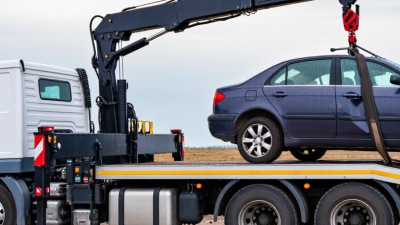

Why Choose a Towing Crane for Your Fleet?

A towing crane uses a boom, winch, and rigging to lift or recover vehicles. The chart shows a typical operating sequence; exact procedures depend on the equipment and recovery situation.

The numbered points indicate the order of the steps—not lifting capacity, duration, or performance.

Key Advantages of Towing Cranes for Fleet Operations

For fleet operations, a towing crane can help turn a roadside breakdown into a controlled recovery. It can lift a disabled vehicle from a difficult position and move it to a repair point without waiting for a separate lifting unit, when access and equipment capacity allow. Every hour matters. Frost & Sullivan’s analysis for Geotab estimated unplanned vehicle downtime at $448–$760 per vehicle per day. Actual costs vary by fleet, but the estimate shows why recovery speed deserves attention.

A crane-equipped service truck also gives dispatchers more options. Stabilizers, suitable boom reach, and correctly rated rigging can help crews handle a vehicle on a narrow shoulder or in a yard. The right setup matters. A crane that cannot safely reach or lift the load adds little value, and operators need training to assess loads and follow the equipment’s load chart.

The financial context is significant. The American Transportation Research Institute’s An Analysis of the Operational Costs of Trucking: 2023 Update reported average marginal operating costs of $2.251 per mile in 2022. That figure is not a direct measure of downtime, but it underscores the cost of keeping trucks productive. A towing crane also adds weight, maintenance, and inspection work. Fleet managers should compare those costs with their breakdown frequency, vehicle mix, and typical recovery locations before choosing a configuration.

Common Fleet Applications for Towing Cranes

For roadside-assistance fleets, a towing crane can recover cars from ditches, lift vehicles with damaged wheels, and clear tight parking structures. On a wet shoulder, a controlled lift may reduce dragging and protect nearby vehicles. That matters. The same truck can support municipal and utility crews by moving small pumps, generators, or barriers when a service vehicle is unavailable.

Heavy-vehicle recovery is another practical use. NHTSA’s 2022 Traffic Safety Facts: Large Trucks reports 5,936 large trucks involved in fatal crashes that year. That figure does not show how many needed towing, but it highlights the scale and potential complexity of roadside incidents. A properly matched crane can help recover disabled trucks and equipment, while its rated capacity, boom reach, and setup space must fit the actual job. A number on a spec sheet is not enough.

Construction and maintenance fleets may also use crane-equipped tow trucks to reposition compact machinery or remove vehicles blocking work areas. This can reduce dependence on separate recovery and lifting vehicles. Still, one truck cannot suit every route. Narrow streets, soft shoulders, and overhead wires may limit safe operation. Fleet managers should compare typical loads, travel distances, and operator training needs before choosing a configuration. The data have limits; field conditions decide much.

Factors to Consider When Choosing a Towing Crane

Choosing a towing crane starts with the jobs your fleet handles most often. Record typical vehicle weights, pickup points, and how far the load must reach from the truck. A crane’s maximum rating can be misleading if that capacity applies only close to its base. Check the load chart at the working radius you actually need. Measure twice.

Consider the truck’s chassis, axle limits, and available mounting space before comparing crane sizes. Outriggers need room to deploy, even on narrow streets or uneven shoulders. Hydraulic speed, control layout, and visibility also affect safe, steady operation when traffic or weather adds pressure. That matters. Look at duty cycle and maintenance access, too: filters and hoses should be reachable without awkward disassembly. Ask a qualified installer to confirm the complete vehicle-and-crane configuration, not just the crane rating. A larger unit may sound reassuring, but its added weight can reduce payload and complicate daily work. Recheck assumptions against real fleet records; estimates are sometimes wrong.

Why Choose a Towing Crane for Your Fleet? — Factors to Consider When Choosing a Towing Crane

Factor What to Evaluate Why It Matters to a Fleet Practical Selection Check
Lifting capacity and reach Rated lifting capacity at the working radius, boom extension, and load position. A crane’s available lifting capacity generally decreases as its reach increases. The maximum rating alone may not represent its capacity on typical recovery jobs. Compare the load chart with the fleet’s most common lifts at the required radius; do not select by maximum capacity alone.
Vehicle compatibility and payload Chassis payload, axle ratings, wheelbase, mounting space, and the crane’s installed weight. The crane, body, tools, and accessories all contribute to the completed vehicle’s weight and axle loading. Have the completed configuration reviewed against the vehicle manufacturer’s weight and axle limits before purchase.
Stability and outrigger setup Outrigger configuration, ground conditions, setup space, and the crane’s operating instructions. Stable setup is essential for safe lifting, while narrow roads or tight sites may limit how far outriggers can extend. Check the available working area on typical callouts and follow the crane manufacturer’s requirements for support and ground conditions.
Recovery equipment and winch capacity Winch line pull, cable or rope specification, reeving arrangement, and compatibility with intended recovery methods. Lifting and pulling are different tasks; a crane’s lifting rating should not be treated as its winch line-pull rating. Match the winch specification and approved rigging to the loads and recovery procedures the fleet expects to handle.
Hydraulic system and power source Required hydraulic flow and pressure, power take-off (PTO) compatibility, and operating controls. Incompatible hydraulic or PTO specifications can affect installation, performance, and the availability of other vehicle functions. Confirm hydraulic and PTO requirements with the chassis and crane specifications before finalizing the vehicle build.
Duty cycle and workload Expected operating frequency, lift duration, daily call volume, and the crane’s stated duty limitations. A crane used frequently across multiple shifts may need a different configuration and maintenance plan from one used occasionally. Estimate typical and peak daily use, then confirm that the selected model and service schedule suit that workload.
Safety features and operator training Load information, operating controls, emergency procedures, guarding, and applicable local requirements. Clear operating information and trained operators help crews work consistently and reduce avoidable operating risks. Review the operator documentation and training needs; verify applicable regulations and inspection requirements for the operating location.
Serviceability and uptime Inspection access, service intervals, replacement-part availability, and the time required for routine maintenance. Maintenance access and parts lead times can affect how long a recovery vehicle is unavailable to the fleet. Include scheduled maintenance and likely service downtime in the fleet’s availability plan.
Total cost of ownership Purchase and installation costs, maintenance, fuel or power use, operator training, and expected service life. The lowest purchase price does not necessarily result in the lowest cost over the vehicle’s working life. Compare configurations over the same ownership period and include installation, service, and downtime assumptions.

Selection note: Capacities, operating limits, and legal requirements vary by crane model, vehicle configuration, and location. Use the manufacturer’s load chart and installation guidance, and have the completed vehicle configuration checked by qualified personnel.

Maintenance and Safety Requirements for Fleet Use

Why Choose a Towing Crane for Your Fleet?

Maintenance and Safety Requirements for Fleet Use

Fleet reliability depends on more than lifting capacity. A towing crane works near traffic, uneven ground, and heavy loads, so small defects can quickly become serious hazards. Before each shift, check the hook, wire rope, hydraulic hoses, outriggers, and warning devices. Look for frayed strands, leaks, loose pins, and cracked welds. Keep inspection records with the vehicle, and note who completed each check. A checklist helps. It can still miss a developing crack.

OSHA’s 29 CFR 1910.180 sets inspection requirements for applicable truck cranes. Frequent inspections range from daily to monthly, while periodic inspections occur at intervals of one to twelve months. The required schedule depends on service conditions and equipment use. Follow the crane manufacturer’s instructions and applicable rules, and remove defective equipment from service until it is assessed. BLS reported 5,486 fatal work injuries in 2022; transportation incidents accounted for 2,066, the largest event category in its Census of Fatal Occupational Injuries. These figures cover many industries, not crane operations alone, but they underline the risks around fleet work.

Train operators to level the vehicle, set outriggers on firm support, and confirm load weight before lifting. Keep bystanders clear of the swing area. A wet shoulder or hidden utility cover can undermine an otherwise careful setup. Review near misses, too. Crews may notice hazards that a formal inspection misses.